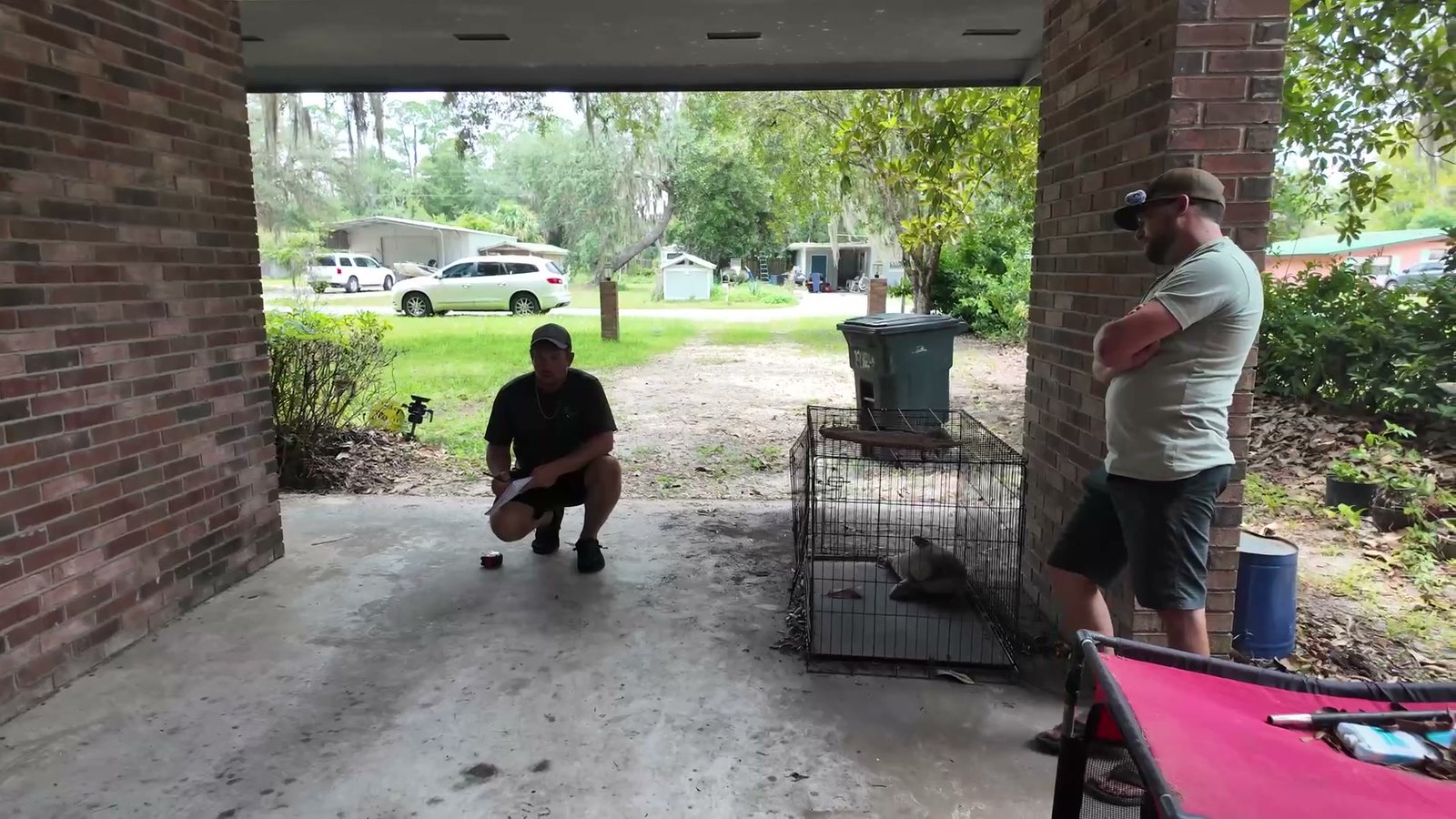
/blog/what-it-really-takes-to-convert-a-garage-into-living-space/.North Florida real estate decisions often come down to timing, condition, and a clear understanding of the numbers. In this video, Chris Moore shares an on-the-ground look at North Florida and the practical choices facing homeowners and investors.
Key Takeaways
- The team evaluates wall placement, windows, water entry, floor height, and support options for a garage conversion.
- Permitting and engineering choices affect whether the new wall uses wood, block, rebar, or other supports.
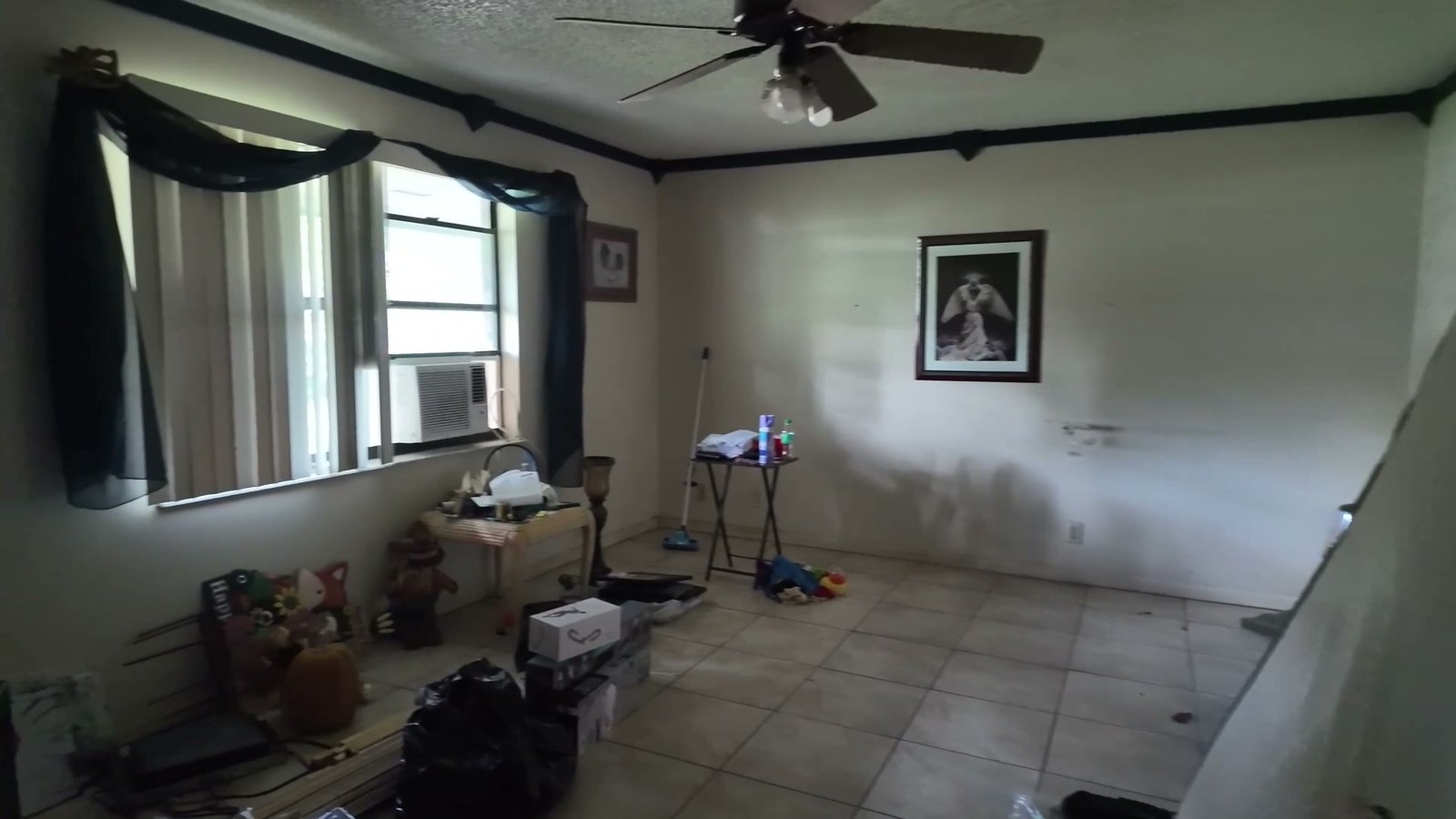
- The interior renovation budget is discussed alongside electrical, flooring, bathrooms, cabinets, and plumbing.
- A conservative plan and professional drawings are necessary before construction begins.
From the Video
"But again, this is my first time doing this, so I am taking advice from people."
Actionable Advice for Homeowners and Investors
Treat a garage conversion as a structural and permitting project, not just a cosmetic remodel. Confirm drainage, finished-floor height, egress, wall anchoring, electrical capacity, HVAC, and stamped plans before setting a budget.
Talk With a Local North Florida Homebuyer
Need a straightforward way to sell a property as-is, or want a second opinion on a potential investment? Contact WeBuyHouseInFlorida.com or call 904-606-9163 to discuss the property and your timeline.
Why This Matters in North Florida
A short field video is useful because it shows what a house really looks like before everyone polishes the story. But if you are the homeowner, the buyer, the adult child helping a parent, or the investor trying to decide whether a project is worth taking on, you need more than a reaction. You need a framework. The same questions come up again and again in Northeast Florida: What is the property worth as it sits? How much will it cost to make it financeable? How long can the owner afford to wait? What happens if the loan, taxes, insurance, code issues, or family situation keeps getting worse?
That is why this kind of walkthrough should be read as a decision tool, not just a recap. The property in the video may be unique, but the pressure points are familiar. Houses in Jacksonville, Clay County, Putnam County, St. Johns County, and nearby rural communities often carry a mix of repair needs, title questions, insurance concerns, and timeline pressure. Some sellers have plenty of equity and just want a clean exit. Others are behind on payments or dealing with a home that needs more work than the family can take on. The right answer is not always a cash sale, and it is not always a listing. The right answer is the option that protects the person from making a rushed decision with incomplete information.
For homeowners, the practical takeaway is simple: do not wait until the only people calling you are collectors, court offices, or buyers trying to take advantage of urgency. Get the numbers in front of you early. Get a repair opinion, a likely as-is value, a rough retail value, and a timeline. Then compare those numbers against the cost of holding the property another 30, 60, or 90 days. That comparison often tells the truth faster than emotion does.
Factual Context to Keep in Mind
Florida's current market is not frozen, but it is more selective than the pandemic years. Florida Realtors reported that statewide existing single-family closed sales reached 26,036 in June 2026, up 9.3% from June 2025, while the statewide single-family median sale price for 2Q 2026 was $425,000. The same report showed 4.5 months of single-family supply and 8.1 months of condo-townhouse supply, which means sellers are facing more competition than they did when inventory was extremely tight. Source: Florida Realtors June/Q2 2026 market data.
Repair-heavy homes are affected by both buyer demand and financing rules. A house with roof, electrical, plumbing, HVAC, flooring, moisture, access, or safety issues may not appeal to the same buyer pool as a clean retail listing. That does not mean it has no value. It means the as-is value has to account for repair cost, time, risk, and the buyer's ability to close without traditional financing falling apart.
For owners under payment pressure, the federal guidance is consistent: act early. HUD says homeowners should contact their lender or servicer, open lender mail, and contact a HUD-approved housing counselor. HUD also notes that housing counselors can help owners understand options, organize finances, and communicate with lenders. Source: HUD avoiding foreclosure guidance.
What to Check Before You Decide
- Write down the deadline. Is there a court date, auction date, relocation date, tax deadline, tenant issue, insurance nonrenewal, or family event driving the decision?
- Get the payoff and carrying costs. Ask for the mortgage payoff, arrears, taxes, insurance, HOA or condo dues, utilities, and any liens you already know about.
- Separate retail value from as-is value. Retail value assumes repairs, marketing time, inspections, appraisal, and a buyer who can get financing. As-is value prices the property in its current condition.
- Price the repairs honestly. Big-ticket items include roof, HVAC, electrical, plumbing, windows, flooring, kitchen, bathrooms, septic, well, moisture, debris, and exterior cleanup.
- Compare net outcomes. Look at what you would actually keep after commissions, seller credits, repairs, closing costs, holding costs, and the risk of a buyer backing out.
For a renovation or flip decision, add one more step: verify what the finished house will actually be. A two-bedroom that can legally and practically become a three-bedroom is different from a two-bedroom that only looks convertible on camera. Check egress, ceiling height, load-bearing walls, permitting, septic capacity, HVAC sizing, and whether the final layout matches what buyers in that area will pay for.
Ways to Get Help Before Things Get Worse
There are several ways to get help, and the best path depends on whether your goal is to keep the house, sell the house, or simply understand what is possible. If you want to keep the home and the issue is mortgage pressure, start with your servicer and a HUD-approved housing counselor. HUD counseling can be free or low cost, and it is designed to help homeowners understand options before foreclosure becomes unavoidable.
If the issue is legal, probate, divorce, bankruptcy, surplus funds, tax deeds, code enforcement, or title trouble, talk with a Florida attorney before signing anything that gives away rights. If the issue is tax impact, capital gains, forgiven debt, inheritance basis, or rental depreciation, talk with a CPA. We can explain the real estate side, but we are not your lawyer, lender, or tax advisor.
When repairs are the main problem, we can help by walking the property, identifying the repair categories that affect value, and giving you a no-obligation as-is offer. You can use that offer as one data point, even if you decide to list, repair, or keep the property. Sometimes the value of a cash offer is not just the offer itself; it is knowing the floor before you make a bigger decision.
How We Can Help
If the house needs too much work and you do not want to manage contractors, permits, cleanup, showings, and buyer inspections, call or text 904-606-9163. We buy houses as-is across Northeast Florida, including properties with old roofs, outdated interiors, mobile homes, debris, code issues, fire damage, storm damage, and unfinished projects.
Bottom Line
The lesson from "What It Really Takes to Convert a Garage Into Living Space" is not that every house should be sold for cash or every project should be renovated. The lesson is that uncertainty gets expensive. If you know the repair scope, the timeline, the payoff, the local market, and the real options, you can make a decision with your head clear. If you wait until a deadline forces the decision, someone else usually gets to set the terms.
We Buy Any House In Florida is built for those messy middle situations. We can look at the property as-is, explain what we see, make a direct offer when that helps, or point you toward a better option when listing, refinancing, counseling, legal advice, or more time would serve you better. The goal is not pressure. The goal is helping you see the next step before the situation gets away from you.