
Start with the property and the paperwork
You can explore a sale now, but closing requires an authorized seller and a title the buyer can accept. Being named in a will or paying the bills does not by itself establish authority to sell. Before agreeing to a price, have the estate attorney and title company review the deed, estate documents and any homestead question.
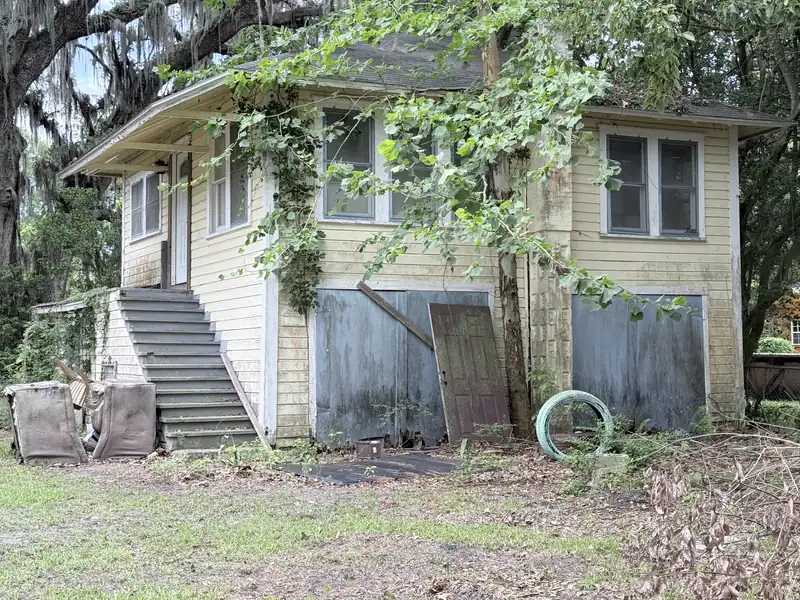
If the house is vacant, speak with the insurer about coverage and arrange appropriate security, utilities and maintenance. Keep important records and family belongings safe. Do not assume a sale offer replaces your responsibilities before closing.
Keep, rent, list or sell as-is
- Keep the house: compare carrying costs, condition and how ownership will be documented.
- Rent it: consider management, repairs, insurance and whether all owners agree.
- List it: ask about expected preparation, marketing time and estimated net proceeds.
- Request an as-is cash offer: compare the written price and terms against the other options, including any items the buyer will accept.
Compare net proceeds and responsibilities, not just the headline offer. A direct purchase is an option, not a legal requirement. For a traditional listing discussion, you can also visit We Buy Any House In Florida LLC.
Multiple heirs and out-of-state owners
Ask the closing team to identify the required decision-makers and signers. Protected homestead can follow a different ownership path from other estate assets; an attorney should address that before anyone represents the estate as the seller.
If family members disagree, discuss the available legal options with counsel. We can review a property and written terms, but cannot decide ownership shares or compel an heir to sell. Out-of-state participants should ask the closing agent which remote-signing and notarization methods are available.
For authority and administration details, use our Florida probate house sale guide.
Take what matters; agree on the rest
Choose the photos, papers and personal items your family wants to keep. Tell us about the furniture, appliances or other belongings you would prefer to leave. An as-is offer can address those items without making a full cleanout your first step.
The signed agreement should specify what stays, what is removed and who handles disposal. Do not leave private documents, medications or hazardous materials without discussing them. We do not promise charitable donations or disposal arrangements that have not been agreed.
Understand proceeds and inherited-property taxes
Ask for a closing estimate showing the purchase price, mortgage payoffs, taxes, liens and the contract's allocation of costs. An offer is not a guarantee of a particular net amount. Any distribution of proceeds must follow the ownership and estate requirements confirmed by your attorney and closing agent.
The IRS explains that inherited-property basis is generally fair market value at death, subject to exceptions and alternate valuation rules. Selling above the applicable basis can produce a taxable gain. Save valuation and expense records and review reporting with a tax professional; do not assume an inherited sale is automatically tax-free.
What to have ready for an offer
- Property address, occupancy and known condition.
- Your role and contact details for the estate attorney, if there is one.
- The deed, will or trust information and estate case reference, if available.
- Known mortgages, taxes, liens, code notices and any lease.
- The belongings you want to keep and your preferred timing.
Start with the address and your situation through our existing offer form or call 904-606-9163. Do not put bank details, Social Security numbers or private estate documents in a general inquiry.
Frequently asked questions
Can I sell an inherited house before probate is finished?
Sometimes. The seller must have documented authority and the property must be able to convey title. Whether a court order is required depends on the will, administration and title; have the estate attorney and title company confirm the requirements before signing or closing.
Do all heirs have to sign?
It depends on who owns the property and who has authority to sell. An estate representative, trustee or individual owners may be involved. A cash buyer cannot override another owner's rights or resolve a dispute between heirs.
Do I have to empty the house?
Ask for an as-is offer that specifies which items you will remove and which belongings the buyer agrees to accept. Take important documents and keepsakes first. Cleanout and disposal responsibilities must be written into the agreement.
Does inheriting a house mean the sale is tax-free?
No. The basis is generally the property's fair market value at death, with exceptions and possible alternate valuation rules. A later sale can produce a taxable gain. Have a tax professional review the basis, expenses and reporting.
Can I handle the sale from another state?
An out-of-state owner can ask the estate attorney and closing agent about remote document review, signatures and any required notarization. The available closing method depends on the title company and the documents.
Compare your next step
Official sources and review
Sources checked October 8, 2026. This is general property-selling information, not legal or tax advice. Consult your Florida attorney, title company and tax professional about the actual estate.
- Florida Statutes 733.613: authority to sell estate real property
- Florida Statutes 733.608: estate assets and protected homestead
- Florida Statutes 735.201: summary administration eligibility
- Duval Clerk: probate department and filing information
- Clay Clerk: civil court services and probate resources
- IRS: inherited property basis and reporting a sale