The short answer: yes, a house in probate in Duval County can be sold, but the sale has to happen with the right authority. Depending on the will and the type of administration, that authority comes from a power of sale in the will, a court order, or the heirs themselves when the property is protected homestead.
I'm Chris Moore, a U.S. Marine Corps veteran and licensed Florida real estate agent (License #SL3389080). I've been an agent since 2018 and a cash home buyer since 2022, and a large share of the houses my family run team buys in Jacksonville come to us through an estate. Duval County is unusual in Florida because the city and county governments are consolidated, so when a Jacksonville homeowner passes away, everything from the death certificate to the probate case runs through offices within a few blocks of each other downtown. This page walks you through how it works and where a cash sale fits.
Can You Sell a House That Is in Probate in Duval County?
Yes. Probate does not freeze the property forever. It is simply the court supervised process that moves title from the person who died to the people entitled to receive it, and Florida law allows estate property to be sold during that process when the right person has the right authority. What trips up most Jacksonville families is assuming that being named in the will, or even being appointed by the court, automatically means they can sign a contract and close. It does not always, and I cover exactly who can sell below.
One more thing before we get into it. Not every inherited house needs probate at all. Property held in a revocable living trust, or owned as joint tenants with right of survivorship, generally passes outside probate. If Mom and Dad owned the Murray Hill bungalow jointly and one of them survives, or the house sits in a trust, you may be able to sell without opening a case. A probate attorney can tell you in one short conversation.
Summary vs Formal Administration in Florida
Florida has two main probate tracks, and which one applies shapes your whole timeline.
Summary administration is the shortcut. Under section 735.201 of the Florida Statutes, it is available if the will does not require formal administration and either the value of the entire estate subject to administration in Florida, less the value of property exempt from creditors' claims such as protected homestead, does not exceed $75,000, or the decedent has been dead more than 2 years. It typically resolves in roughly 30 to 90 days. Because protected homestead is excluded from that $75,000 math, plenty of Duval County estates qualify even when the house itself is worth far more.
Formal administration is the full process, generally required for larger estates when the decedent died within the last 2 years. The court appoints a Personal Representative and issues Letters of Administration. Creditors get a window to file claims, the PR gathers assets and pays valid debts, and the estate is eventually distributed and closed. Plan on months rather than weeks.
Who Actually Has Authority to Sell the House
This is the part families get wrong most often, so let me be precise. Letters of Administration alone do not automatically give the Personal Representative power to sell the house. Under section 733.613 of the Florida Statutes, a Personal Representative may sell estate real property without a court order only if the will grants a power of sale. If the will contains no power of sale, or there is no will at all, the PR needs court authorization before the sale can close.
There is a second wrinkle that matters constantly in Duval County. Protected homestead property, meaning the home the decedent actually lived in, often passes directly to the heirs at the moment of death, outside the Personal Representative's control. In that situation the heirs themselves are the sellers, usually after the court enters an order determining homestead status. Which path applies to your family's house is a legal question, so please confirm it with your probate attorney before signing anything. A good title company will not close without the authority documented anyway, and neither will we.
What Probate Looks Like in Duval County
Probate cases for Jacksonville and the beaches communities inside Duval County are filed with the probate division of the Duval County Clerk of Courts, and heard by circuit judges at the Duval County Courthouse on West Adams Street downtown. Because of Jacksonville's consolidated city county government, the same downtown core holds the clerk, the courthouse, and most of the probate attorneys you might hire, which makes in person errands simpler than in spread out counties.
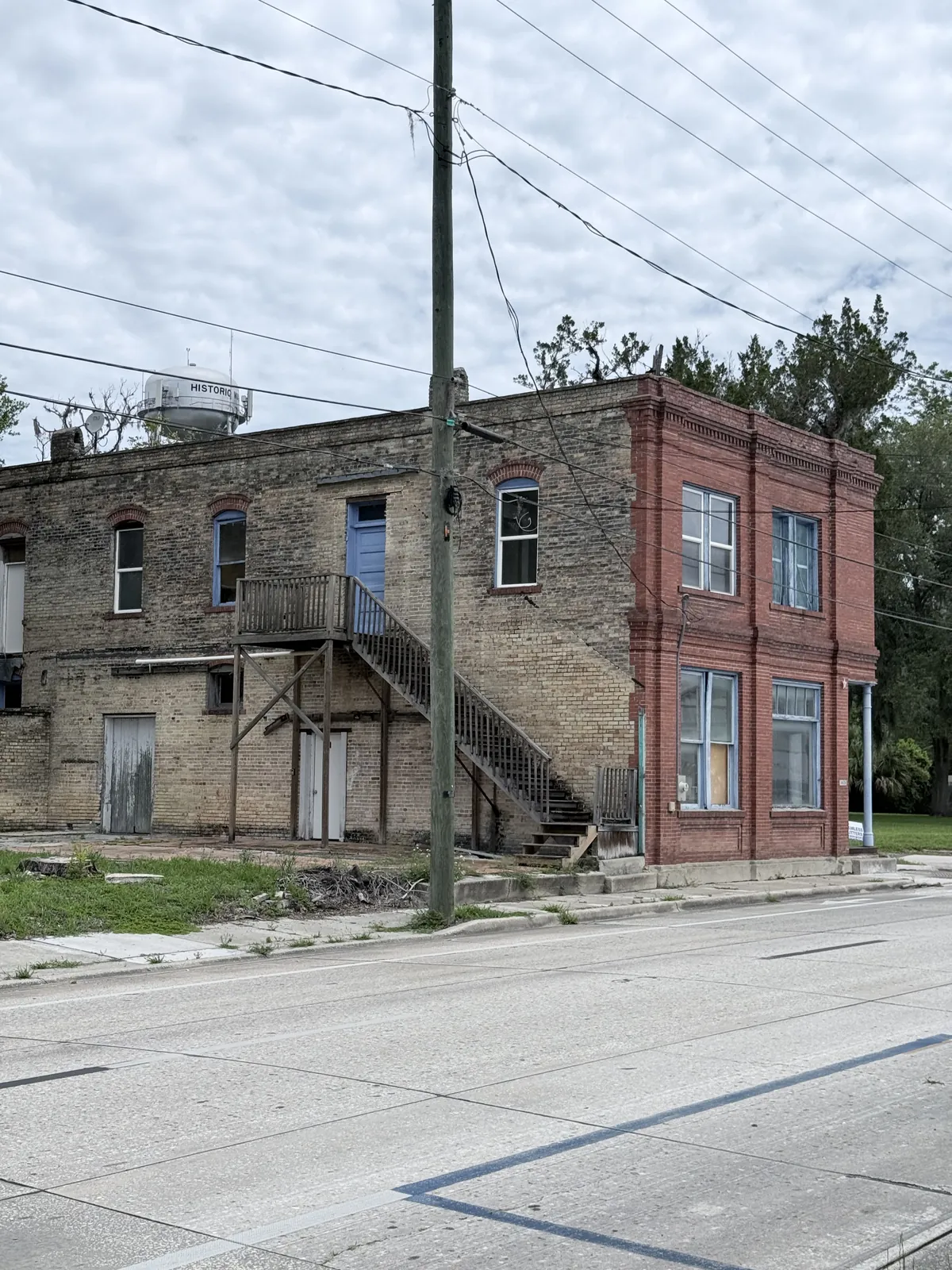
The houses themselves are a different story. Duval County has some of the oldest housing stock in Northeast Florida. Estates here often involve a 1940s or 1950s block home in Murray Hill or the Westside, a historic frame house in Riverside or Avondale, or a 1960s ranch in Arlington that has not been updated since the original owner bought it. Fifty years of belongings, a roof at the end of its life, maybe an addition that was never permitted. You can look up the property's assessed value, legal description, and homestead exemption status free at the Duval County Property Appraiser at duvalpa.com, which is one of the first things your attorney and any serious buyer will do.
Taxes on an Inherited Duval County House
Here is the good news most heirs have never heard. Under federal law, inherited real estate gets a step up in basis. Your tax basis is adjusted to the fair market value of the property as of the date of death, or the alternate valuation date if the estate elects one. That means the appreciation that occurred before death, the growth from what your parents paid in 1978 to what the house was worth the day they passed, is generally not taxed when you sell. Any gain between the date of death and your sale date is still taxable, which is one reason heirs who plan to sell often do it sooner rather than later. Florida adds no state estate tax or state income tax on top. Run the actual numbers with a CPA, because the date of death value needs to be documented.
Selling As Is When You Are Out of State or the House Is Full
Roughly half the heirs we work with do not live in Jacksonville anymore. They are managing an estate from Atlanta or New York while the house sits vacant, the grass grows, and the insurance company sends letters about vacancy coverage. Meanwhile the house holds an entire lifetime of belongings that nobody has the time or heart to sort through.
A traditional listing makes all of that harder. Agents want the house emptied, cleaned, repaired, and shown repeatedly, and lenders want older roofs, panels, and plumbing addressed before they will fund a buyer. A direct cash sale removes every one of those steps. You never have to fly back for a showing, and you never have to rent a dumpster.
What We Can Do for Your Family
We buy Duval County probate houses as is, in any condition, with no cleanout needed. Take the photo albums and the things that matter, and leave everything else where it sits. We coordinate directly with your probate attorney and the Personal Representative, we wait for the court when authorization is required, and we close whenever the estate is legally able to convey title. No commissions, no repair credits, no showings. We hold a 5.0 rating across roughly 164 reviews and we are BBB accredited, and our office is local in Orange Park, about twenty minutes from downtown Jacksonville.
You can read more about how we buy houses across Duval County and our broader guide to selling an inherited house in Duval County. If the estate property is in a neighboring county, see our probate guides for Clay County and St. Johns County.
Frequently Asked Questions
How long does probate take in Duval County, Florida?
Summary administration in Duval County typically resolves in roughly 30 to 90 days when the estate qualifies. Formal administration usually runs six months to a year, sometimes longer if creditors file claims, heirs disagree, or the estate includes property that must be sold. The probate division of the Duval County Clerk of Courts processes filings for the circuit court, and your attorney controls a lot of the timeline by filing complete paperwork promptly.
Can the Personal Representative sell the house in Jacksonville before probate is finished?
Often yes, but only with the right authority. Under Florida Statute 733.613, a Personal Representative may sell estate real property without a court order only if the will grants a power of sale. If the will is silent or there is no will, the PR needs court authorization before closing. Protected homestead property is different again, since it often passes directly to the heirs outside the Personal Representative's control. Your probate attorney can confirm which situation applies, and we regularly close as soon as the authority is in place.
Do I have to clean out my parents' Jacksonville house before selling it?
No. We buy Duval County houses exactly as they sit, furniture, boxes, tools in the garage and all. Take the photos, documents, and keepsakes that matter to your family and leave the rest. Estate cleanouts on older Jacksonville homes can cost thousands of dollars and take weeks, and skipping that step is one of the biggest reasons heirs choose a direct cash sale.
Will I owe capital gains tax on an inherited Duval County house?
Usually very little, thanks to the step up in basis under federal law. Your tax basis becomes the fair market value of the house as of the date of death, or the alternate valuation date, so appreciation that occurred before death is generally not taxed when you sell. Any gain between the date of death and your sale date is still taxable, so heirs who sell fairly soon after death typically owe little or no federal capital gains tax. Confirm the numbers with a CPA for your specific situation.
Get a Cash Offer on a Duval County Probate House
If your family is working through an estate in Jacksonville, call or text 904-606-9163 or request a cash offer online. We will look at the property, talk with your attorney if you have one, and give you a fair as is number with no obligation, whether the case is already open or you are still deciding what to do.
Official References
- Florida Probate Code, summary administration, section 735.201 (Chapters 731 to 735)
- Florida Statute 733.613, sales of estate real property
- IRS Publication 551, Basis of Assets
- Duval County Property Appraiser
- Duval County Clerk of Courts, probate division
This page is general information, not legal or tax advice. Florida probate is fact specific. Please talk with a licensed Florida probate attorney and a CPA about your situation.