Start Here: Review the Property and the Claim
Fire damage can include structural changes, smoke and soot, water intrusion from suppression, damaged wiring and materials that need specialized cleanup. The visible room is not always the full scope. Follow fire-department and building-official access instructions, and use qualified restoration or engineering professionals to assess safety and repair needs.
Before choosing a sale or rebuild, collect the fire report, photos, adjuster estimates, contractor bids, permits and any unsafe-structure notice. Compare the likely repair scope and cost with a written as-is offer and an estimated net sheet. A cash sale is one possible path, not the only way to sell or insure a damaged home.
Quick facts
- Can I request an as-is offer?
- Yes. A request is not a commitment; any purchase depends on property review and a written contract.
- Can I keep insurance proceeds?
- Do not assume. Policy terms, a mortgage or lien, claim documents and lender or insurer instructions may affect the funds.
- What about a city notice?
- Ask the issuing authority about current requirements; title and closing treatment depend on the case and contract.
- Who handles debris or belongings?
- The signed agreement should state what, if anything, may remain or must be removed.
- When could closing occur?
- Timing depends on title, claim and mortgage issues, municipal requirements, documents and agreed contract dates.
Damage, Access and Safety
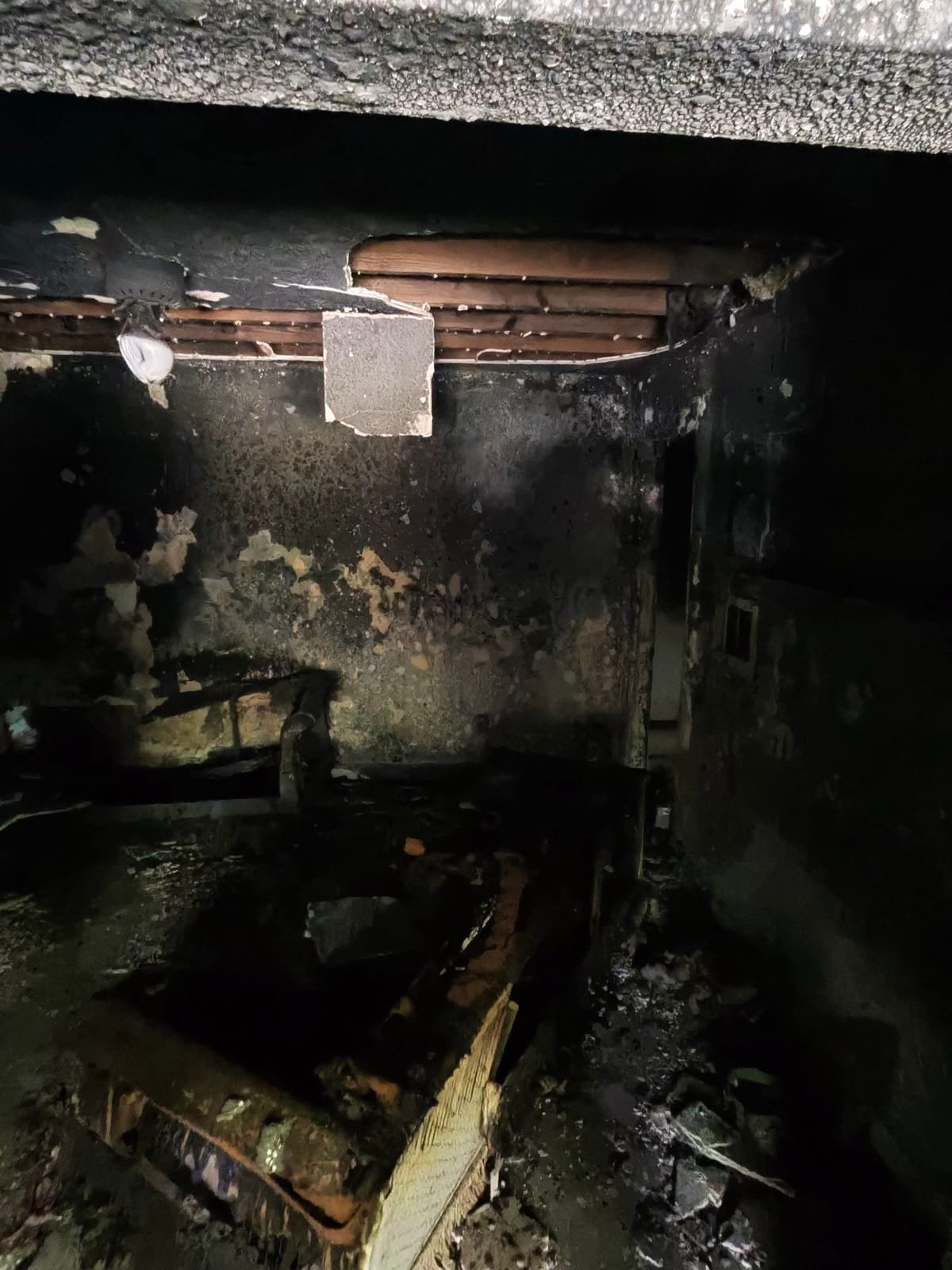
Fire, smoke and water can affect areas that are not visibly burned. Possible conditions include damaged framing, compromised electrical or plumbing systems, soot and odor, water intrusion, and building materials requiring specialized assessment. Do not enter an unsafe structure or retrieve belongings against an official restriction. Confirm access with the fire department, building official or other responsible authority and use qualified professionals where needed.
We can review properties with localized damage, wider interior or smoke damage, major structural impact, or related water damage. Whether a particular property fits depends on condition, safe access, title, local requirements and proposed contract terms. Do not assume repairs, cleanup, debris removal or responsibility for municipal requirements are included unless the signed agreement says so.
Insurance Claim and Mortgage Questions
Insurance proceeds and a property sale are separate issues that can interact. A mortgage company may be named on a claim payment, the policy may impose duties about repairs or documentation, and the insurer may need notice of a sale or transfer. Review the policy and claim correspondence and ask the insurer, mortgage servicer and your attorney how a contract or closing could affect the claim, remaining benefits and repair obligations. Do not assume you can retain or spend a settlement amount before those parties confirm.
Insurance underwriting depends on the carrier's criteria and the home's condition. The Florida Department of Financial Services homeowners overview explains inspection and underwriting context. Florida's roof-age provision is not a blanket rule that every roof at least 15 years old is uninsurable; see Florida Statutes section 627.7011 and ask a licensed insurance professional about the specific home and policy.
Permits, Unsafe-Structure Notices and Liens
Check with the local building or code office about permits, inspections, unsafe-structure orders, deadlines, access restrictions and any required approval. A notice, order or lien can affect title and closing. Under Florida Statutes section 162.09, certain certified code-enforcement fines may be recorded as liens; the actual status and amount require review of the order, record and local process. Ask the authority for current written information and have the title company review recorded liens. A buyer cannot promise a municipality will approve a transfer or reduce an amount.
If an open code case or recorded fine is involved, see our guide to selling a Florida house with code violations. For jointly owned property during divorce, review the divorce-sale guide and ask counsel about any case-specific order or agreement.
Compare Rebuilding, Listing and an As-Is Offer
- Repair and rebuild: Review the insurer's requirements, claim funding, permits, contractor scope, inspections and likely schedule before deciding whether restoration is practical.
- Market listing: A listing may reach more buyers, but preparation, disclosure, access, buyer financing and negotiated terms affect timing and net proceeds. Compare a written estimate.
- Direct as-is offer: A written offer gives you terms to compare without first completing repairs. The offer may be below a retail sale price and remains subject to property review, title, claim or mortgage issues, any required municipal approvals and the signed contract.
Before You Decide to Rebuild or Sell
- Confirm whether the home is safe to enter and follow restrictions from fire officials, building officials and utility providers.
- Document the damage and preserve claim records, estimates, receipts, photos and communications.
- Ask the insurer and mortgage servicer what approvals, inspections, endorsements or repair conditions apply to claim funds.
- Check with the local building or code office about permits, inspections, unsafe-structure orders and deadlines.
- Compare a repair budget and likely market-sale net with any written as-is offer, including mortgage payoff, liens, closing costs and other agreed expenses.
- Before signing, have the title company and your advisers review title, claim and payoff questions, required approvals, what may remain at the property, and who is responsible for each item under the contract.
Considering an as-is offer?
Request written terms to compare with your repair, insurance and market-sale options. Any purchase depends on property review, title and the signed contract.
Request a Cash Offer Call 904-606-9163Frequently Asked Questions
Can I sell a house with fire damage without making repairs?
You may request an as-is offer without first repairing the fire damage. The property and proposed terms are reviewed before any purchase, and the written contract controls what may remain at closing, including debris or personal property.
Can I keep my insurance claim check and sell the damaged home?
Do not assume an insurance payment can be kept separately from the property sale. The policy, mortgage or other lien, claim documents, repair obligations and any lender or insurer instructions may affect the funds. Ask your insurer, mortgage servicer and attorney how a proposed sale affects the claim before spending or transferring proceeds.
What if the city has issued a demolition or code-violation notice?
A notice, order or lien may affect access, required approvals, title and closing. Ask the issuing city or county for the current case status and requirements, and have the title company review any recorded lien. Whether a purchase can proceed and who handles each item depend on the contract and applicable municipal process.
Do I have to remove damaged furniture and personal items?
Tell us what you plan to keep and what may remain. The purchase agreement should state what personal property or debris, if any, the buyer accepts; removal is not guaranteed unless the contract says so. Do not enter a structurally unsafe property to retrieve belongings.
How fast can you close on a fire-damaged home in Florida?
Timing depends on title, mortgage and insurance claim issues, municipal requirements, required documents and the written contract. We can discuss a target date after reviewing those details, but cannot promise a closing date in advance.