If you own a condo and you have fallen behind, you are usually behind on two bills, not one: the mortgage and the association dues. Both can end in a foreclosure, and both keep growing while you wait. If the condo will not sell for enough to pay everything off, a short sale, where your lender agrees to accept less than what you owe, can let you sell on your own terms instead of losing the unit at an auction.
This article uses a two-story, two-bedroom, two-and-a-half-bath water-access condo in Jacksonville that I am working as a short sale. It covers how a condo short sale works from the seller's side, what happens to unpaid association dues, the documents a condo seller has to hand over, the paperwork lenders usually want, how long it can take, whether you could owe the difference, and when a cash or as-is sale is the better fit. It is general information, not legal, tax or financial advice.
The Situation: A Water-Access Condo and Payments That Fell Behind
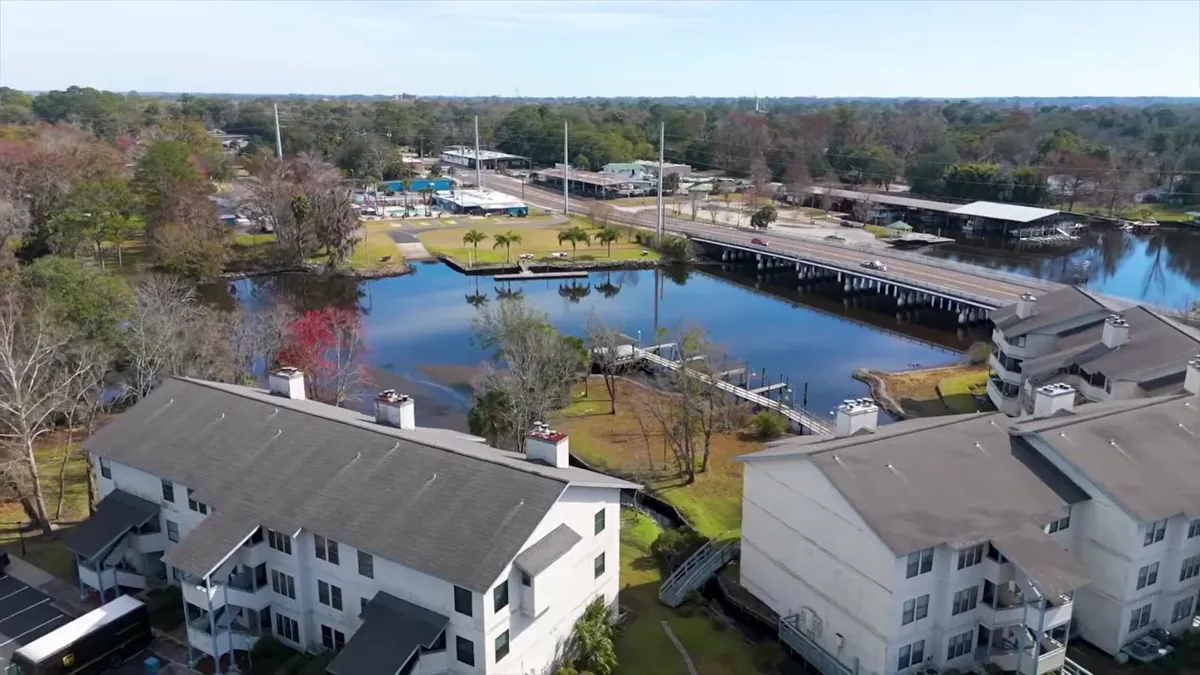
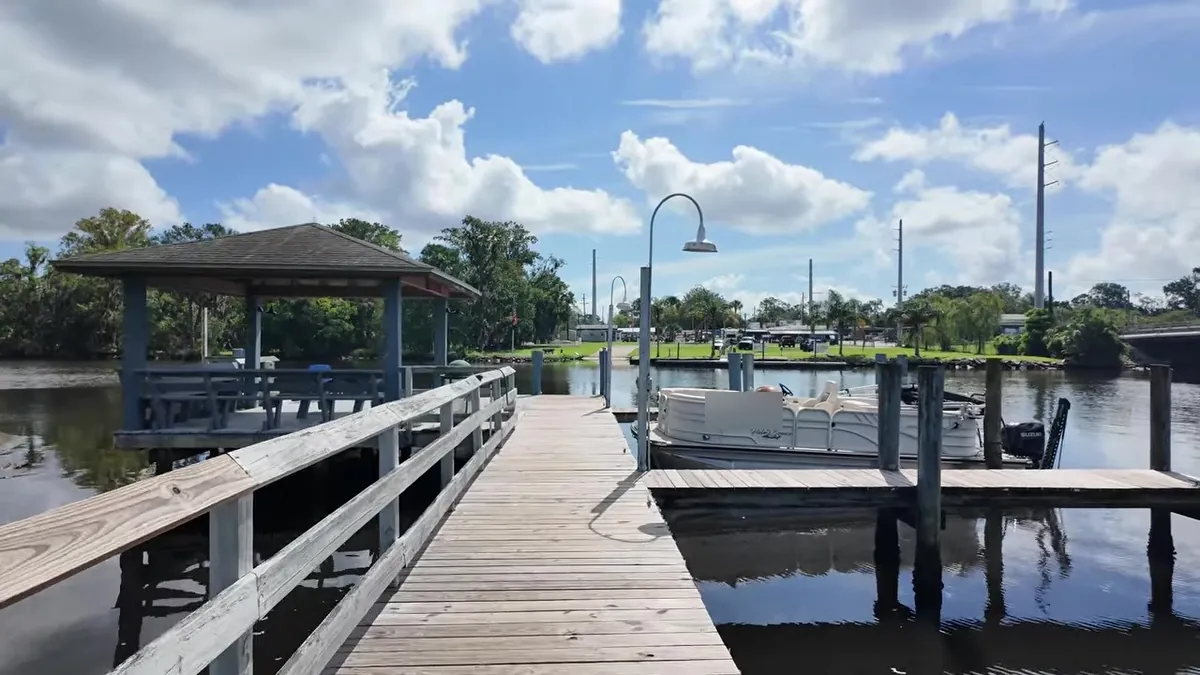
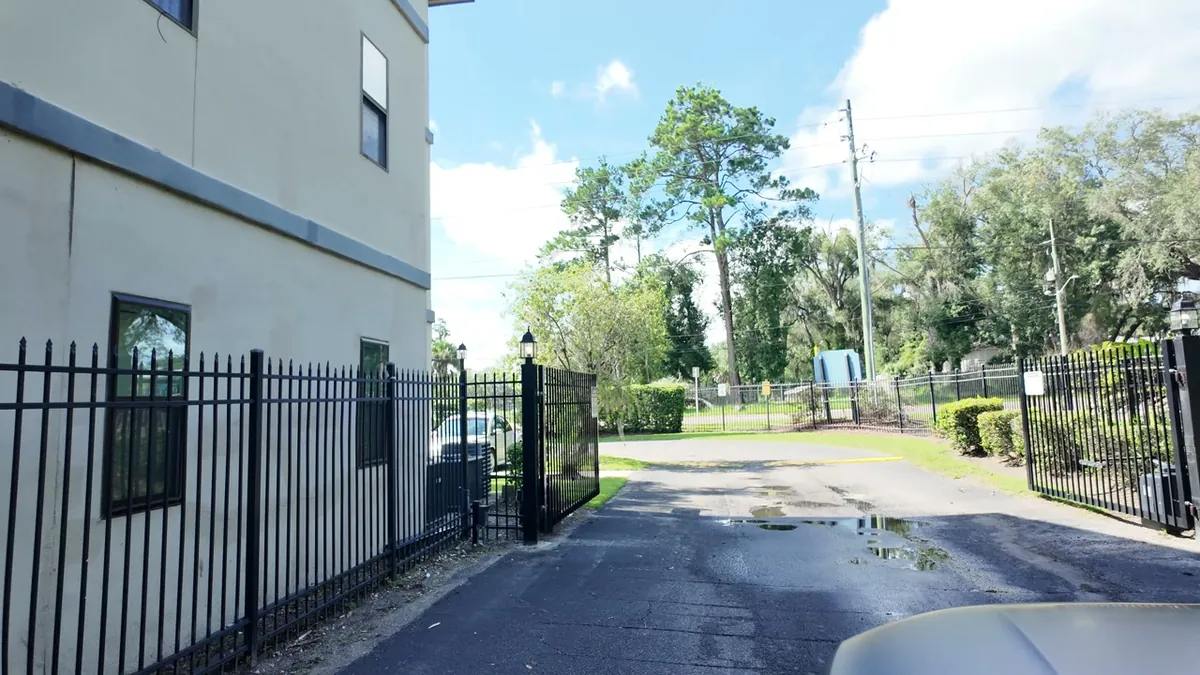
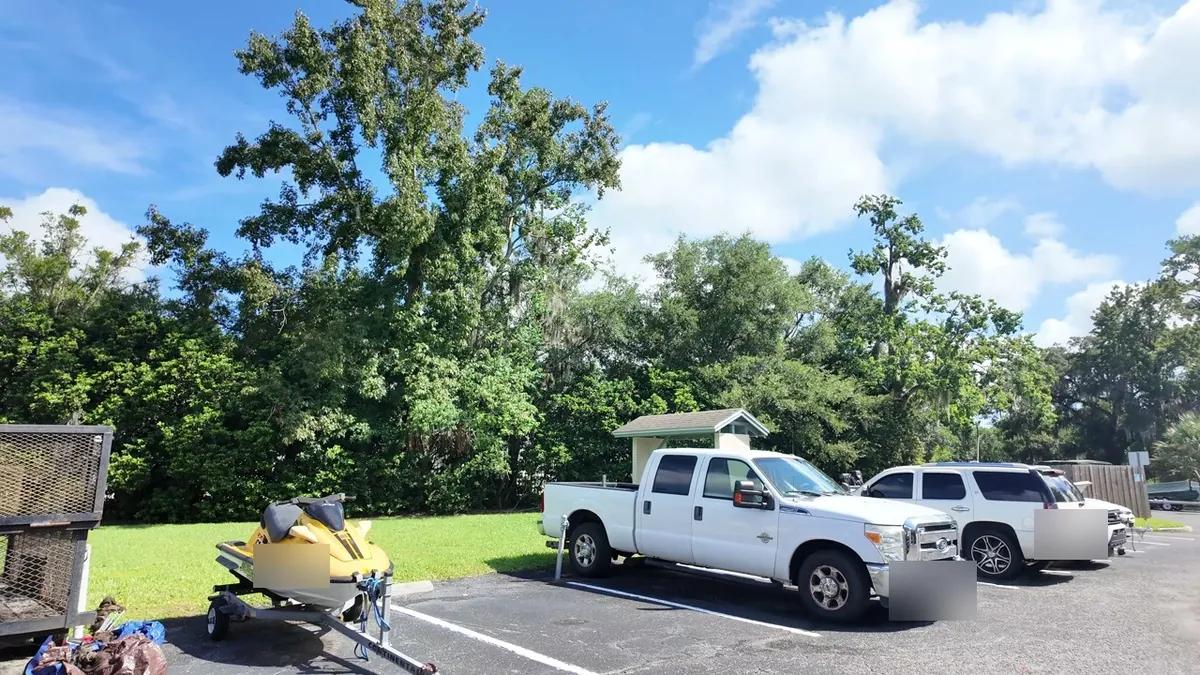
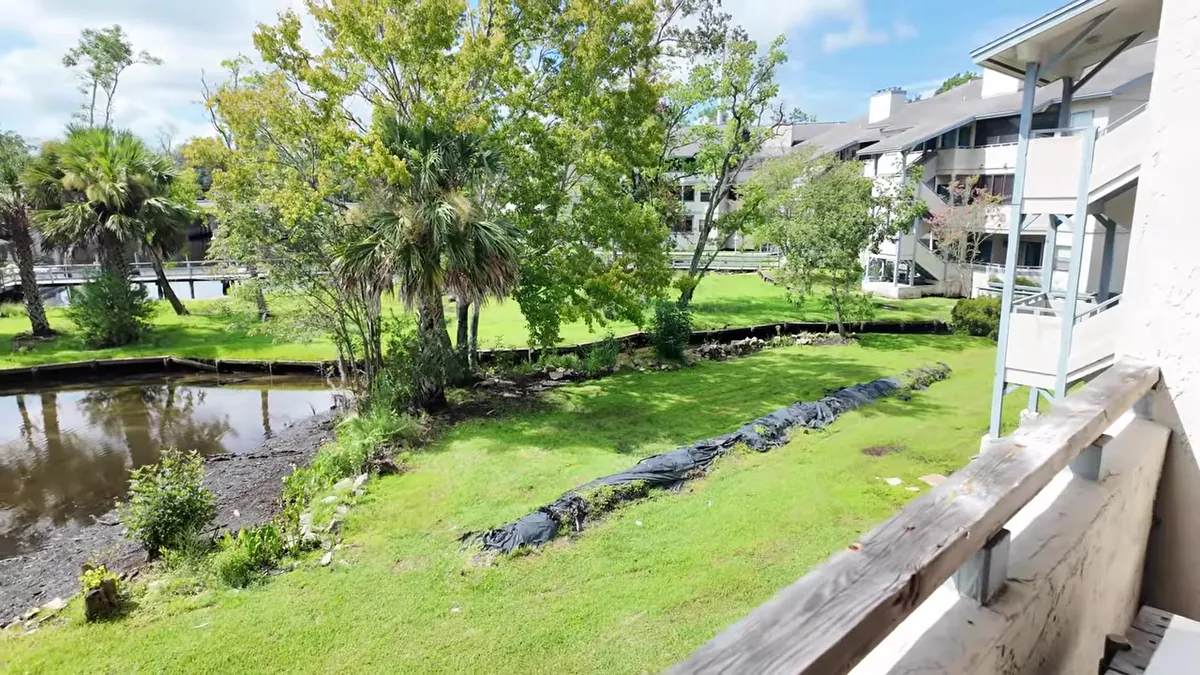
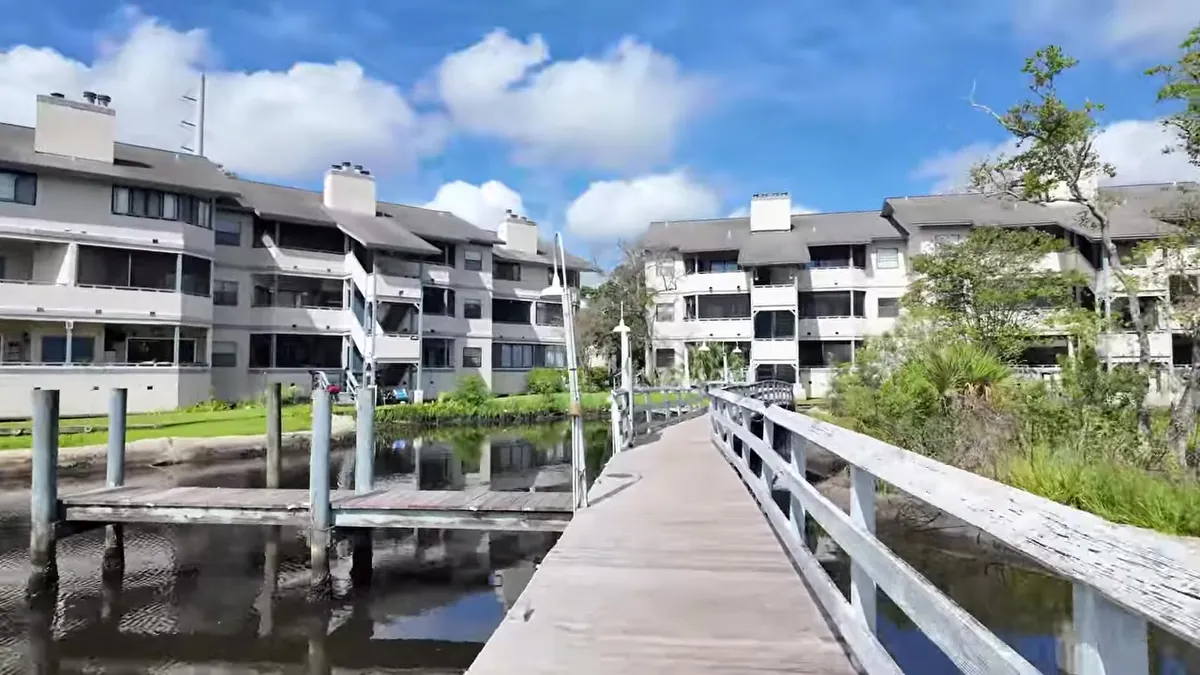
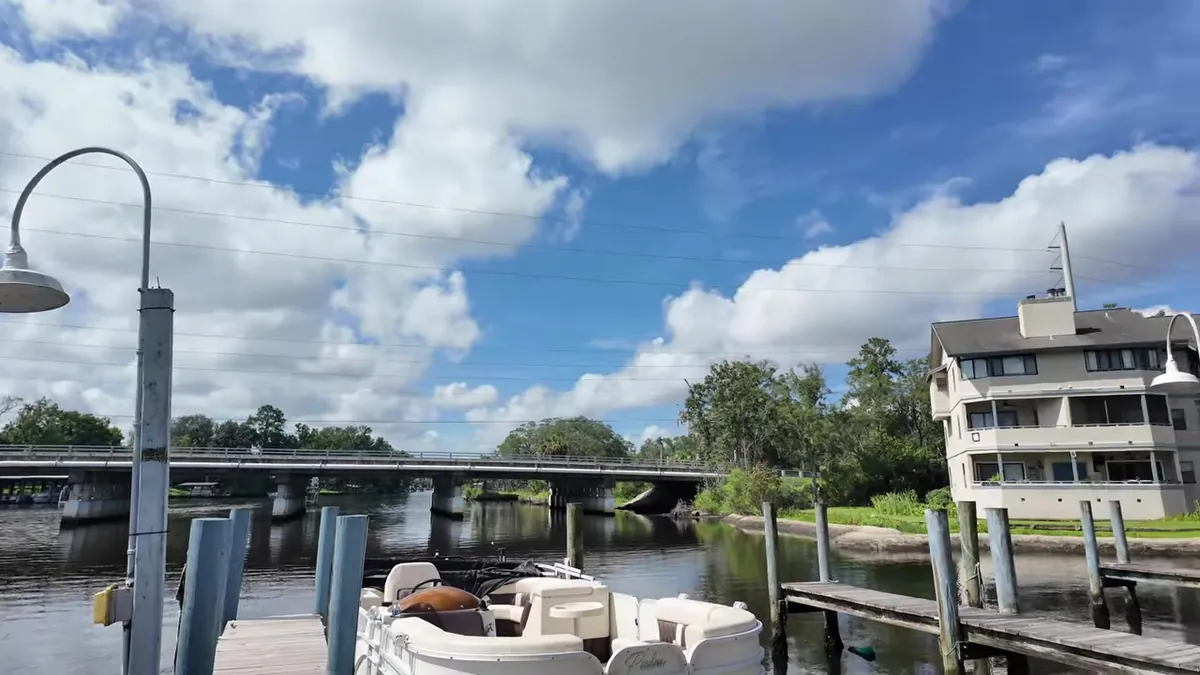
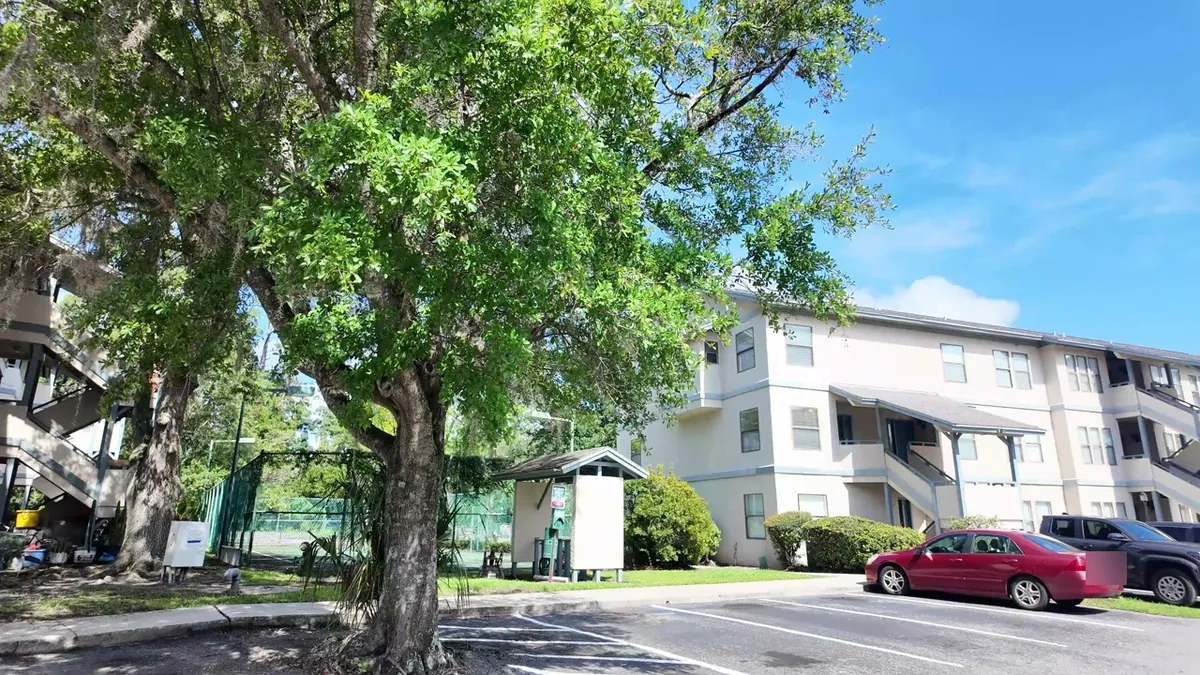
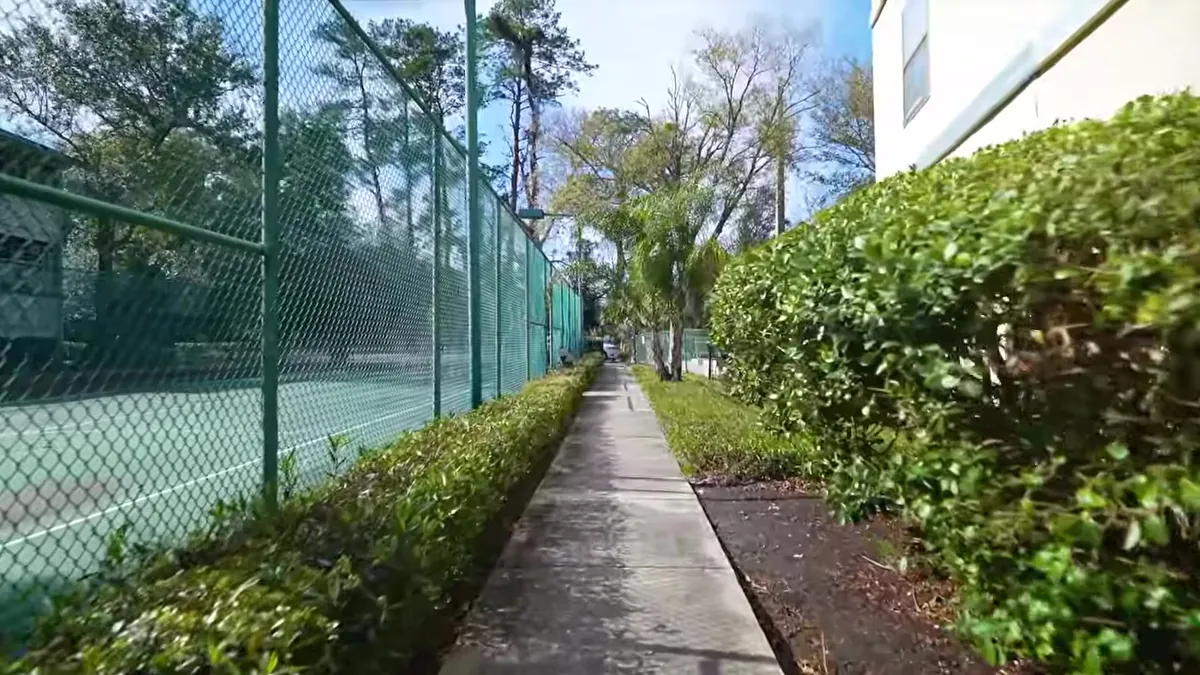
This condo is a good one. It is a two-story unit on the second floor of its building, with two bedrooms, two and a half baths and two patios. The community is gated, it has a pool and a court you could use for tennis or pickleball, and the association takes care of the grounds. The big selling point is the water. There is a dock, there are kayaks stored by the bank, and the parking lot has boat and jet ski trailers in it because you can put a small boat in the creek and ride out to the St. Johns River.
And it is a short sale. Things did not work out for the owner, he got behind on payments, and a short sale is how we are getting the condo on the market and closed for him. That is all I am going to share about his situation, and it is all I will ever share. What I will share is how this kind of sale works, so if you are a condo owner in the same spot you can see the road ahead.
I want to say one thing clearly before we get into it. Falling behind on a condo is not a character flaw. Payments rise, dues go up, insurance goes up, special assessments show up, jobs change, and families move. Sometimes the numbers stop working. My job is not to judge how you got here. My job is to help you see every option you have left and pick the one that costs you the least.
Condo Owners Fall Behind on Two Bills, Not One
A house owner who misses payments usually has one problem: the mortgage. A condo owner almost always has two, because the association dues are due every month too. When money gets tight, people tend to pay one and let the other slide, or let both slide at once. Either way, both debts are tied to the unit, and both have to be dealt with before the condo can change hands.
The mortgage
Missed mortgage payments lead to late fees, letters, and eventually a foreclosure lawsuit if nothing changes. In Florida that lawsuit goes through the court. The Duval County Clerk of Courts explains that once a borrower is served with the summons and complaint, he or she has 20 calendar days from the day of service to file a written response with the court (Duval County Clerk of Courts, Foreclosure, accessed Nov 7, 2026). That is a short window, and it is one more reason to open every envelope the day it arrives.
The association dues
Florida's condominium law gives the association a lien on each unit to secure the payment of assessments (Florida Statutes s. 718.116, accessed Nov 7, 2026). The same statute says unpaid assessments bear interest at the rate in the declaration, and if the declaration does not set a rate, interest runs at 18 percent per year. If the declaration or bylaws allow it, the association can also charge an administrative late fee of up to the greater of $25 or 5 percent of each late installment. And it says payments are applied first to interest, then to late fees, then to collection costs and attorney fees, and only then to the dues themselves.
That last part surprises people. If you send a partial payment after you are already behind, it may not touch the dues you missed at all until the interest, fees and costs are covered. That is why a small balance can grow faster than you expect.
Once a collection attorney gets involved, the costs climb faster. That is the strongest reason I know to deal with the association early, while the balance is still something a closing can absorb.
How a Condo Short Sale Works From the Seller's Side
A short sale is a sale where your lender agrees to accept less than the full loan balance so the property can change hands. The word "short" just means the price comes up short of what is owed. You cannot decide on your own to sell for less and send the bank what is left. The lender has to approve the price and the terms first.
A condo short sale follows the same basic shape as a house short sale, with one extra party at the table: the association. Here is the general flow I walk owners through. Every lender has its own process, so treat this as the outline, not a promise.
- We run the numbers together. What the condo would likely bring as it sits, what you owe the lender, what you owe the association, and what selling would cost.
- You give written permission for me to talk with your lender, and we ask for its short sale requirements.
- We request the association's numbers. That means a current statement of what is owed and, closer to closing, an estoppel certificate.
- You gather your financial documents and write a plain explanation of what changed.
- The condo goes on the market as a short sale, priced where real buyers will make offers.
- We accept an offer, subject to lender approval, and send it to the lender with your package and the association's payoff figures.
- The lender works through it. It may order its own valuation, ask questions, or counter.
- If the lender approves, we close on the terms in the approval letter, and the association balance is handled at the closing table the way the approval allows.
Why a lender would agree to less
Foreclosure costs a lender time, legal fees and money. At the end of it the lender may own a condo it has to insure, pay dues on and sell anyway. Florida's condo statute says a first mortgagee that takes title through foreclosure is not excused from paying the common expenses that come due while it owns the unit, even if the unit is empty (Florida Statutes s. 718.116(7), accessed Nov 7, 2026). When a short sale offer is reasonable, taking it can make more sense than going through all of that. Whether your lender will agree is a decision only your lender can make.
In that made-up example, the owner would need to bring $22,400 to closing to sell the normal way. Most people who are behind on payments do not have that. A short sale asks the lender to absorb the gap instead.
What Happens to Unpaid Association Dues in a Short Sale
This is the part of a condo short sale that catches people off guard. The association does not just disappear because the lender is taking a loss. Here is why it matters.
The buyer can be on the hook for your past dues
Florida law says a unit owner, no matter how title was acquired, is jointly and severally liable with the previous owner for all unpaid assessments that came due up to the time of transfer of title (Florida Statutes s. 718.116(1)(a), accessed Nov 7, 2026). In plain words, a buyer who closes on your condo without the back dues being paid could end up owing them. No careful buyer or title company wants that, so in practice the association balance gets addressed at closing, either paid out of the sale proceeds as the lender allows or settled another way.
The estoppel certificate is the official number
The association's official statement of what is owed is called an estoppel certificate. Under the statute, the association has to issue it within 10 business days after a written or electronic request from the owner, the owner's designee, or the mortgagee. It lists the regular assessment, what has been paid, any special assessments, and an itemized list of everything owed. One delivered by hand or electronically is good for 30 days, and one sent by regular mail is good for 35 days. The statute caps the preparation fee at $250 when nothing is delinquent, allows an extra $100 for a rush job delivered within 3 business days, and allows an additional fee of up to $150 when the account is delinquent. Those caps are adjusted for inflation every 5 years (Florida Statutes s. 718.116(8), accessed Nov 7, 2026).
Short sales take time, so an estoppel can expire before the lender approves. Plan on ordering an updated one near closing. I always tell sellers to budget time for that step so it does not hold up the closing date.
Associations can foreclose too
An association can bring its own action to foreclose its lien for assessments, in the same manner a mortgage is foreclosed. The statute says no foreclosure judgment may be entered until at least 45 days after the association gives the owner written notice of its intent to foreclose (Florida Statutes s. 718.116(6), accessed Nov 7, 2026). If you get a letter titled "Delinquent Assessment" that says a claim of lien has been filed, take it seriously. It means the association is on its own clock, separate from your lender.
Why associations often want a closing, not an auction
The statute limits how much a first mortgagee that takes a unit through foreclosure has to pay toward past dues. Its liability is limited to the lesser of 12 months of unpaid regular assessments or 1 percent of the original mortgage debt, if the association was joined in the foreclosure case (Florida Statutes s. 718.116(1)(b), accessed Nov 7, 2026). So if the unit goes through a lender foreclosure, the association may not collect everything it is owed. A closed sale is often the association's best chance at a clean payoff. That gives you a reason to keep the association in the loop instead of avoiding it. Ask a Florida attorney how these rules apply to your declaration.
The Documents a Condo Seller Has to Provide
Selling a condo comes with paperwork a house seller never sees. Florida's condo law lists what a buyer is entitled to, and it says the documents come at the seller's expense (Florida Statutes s. 718.503(2), accessed Nov 7, 2026). A buyer who has signed a contract is entitled to a current copy of:
- The declaration of condominium
- The articles of incorporation of the association
- The bylaws and rules
- The annual financial statement and annual budget
- The inspector-prepared summary of the milestone inspection report, if one applies to the building
- The association's most recent structural integrity reserve study, or a statement that the association has not completed one
- A turnover inspection report, if one was done on or after July 1, 2023
- The "Frequently Asked Questions and Answers" document
The buyer is also entitled to a governance form that summarizes how condo associations are run.
Why the timing of those documents matters to you
The same statute says resale contracts must include one of two clauses. Either the buyer acknowledges getting the documents more than 7 days, not counting weekends and legal holidays, before signing, or the contract is voidable by the buyer for 7 days, not counting weekends and legal holidays, after the buyer signs and gets the documents. If the documents show up late, the buyer gets a fresh window to walk away. In a short sale that has already been waiting on the lender for weeks, losing a buyer over a late packet hurts.
So my advice is simple: gather the condo documents before the unit is listed. Ask the association or management company for the current set, including the reserve study and any milestone summary that applies, and have them ready to hand to a buyer the day a contract is signed.
What a buyer will look for in those documents
Buyers and their lenders read the budget, the reserves and any pending special assessments closely. Some condo projects are harder to finance than others, depending on the association's finances, insurance, litigation and how many units are rented. If financing is hard for buyers in your building, that affects your price and your buyer pool. It is better to know that early, because it changes which path makes sense for you.
Small Repairs and Honest Disclosures Before You List
In a short sale, nobody expects the seller to renovate. The lender is already taking a loss, and the seller usually has no money to spend. But a few small, honest steps can help the condo show better and keep a buyer from getting surprised.
Here is what I noted on this walkthrough, and how I think about each item from the seller's side:
- The air conditioning works. It was holding at 77 on a hot day and felt much cooler than outside. Working systems matter more to buyers than paint.
- The water, the refrigerator and the dishwasher work. I ran the water and checked under the sink. It looked fine.
- The built-in microwave is not working. There is a second microwave on the counter for now. That is the kind of thing you tell a buyer up front, not something to hide.
- There was an old leak in the downstairs half bath. The owner had it fixed a long time ago, and the ceiling was painted after the repair. Tell the buyer about past water damage and the repair. Old repairs that are disclosed rarely kill a deal. Surprises found later often do.
- Some ceilings still have the popcorn texture. That is cosmetic. Buyers can decide what to do with it.
- The fireplace is wood burning and works. Point out features that work, too.
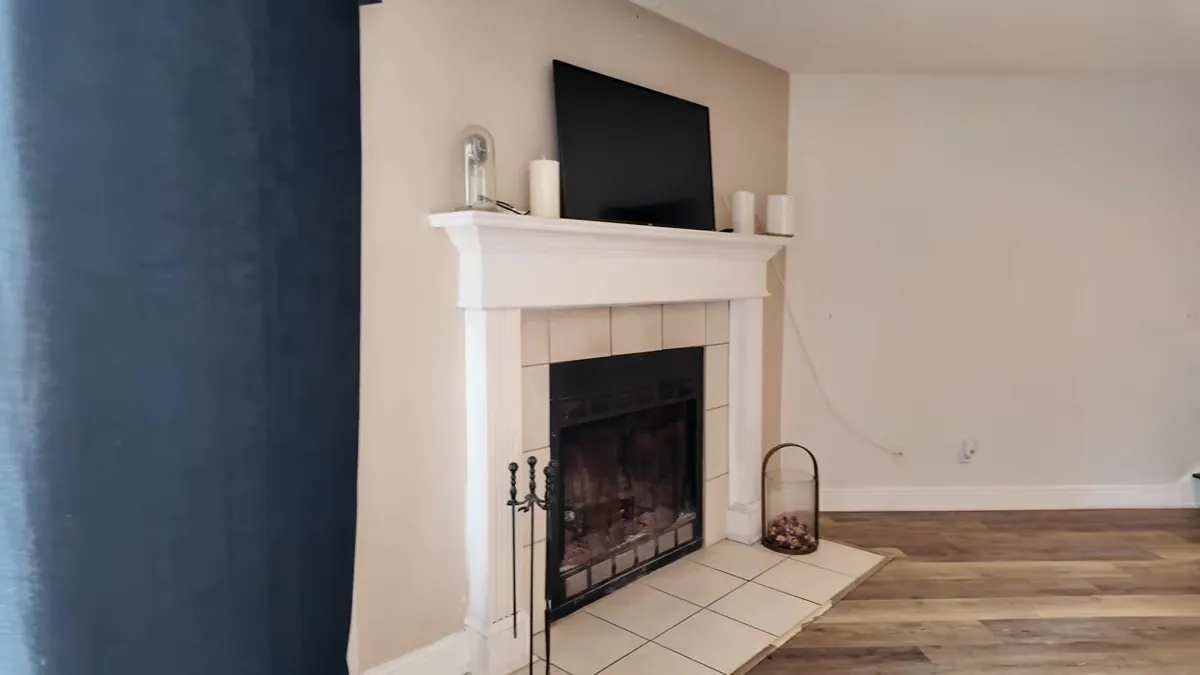
Fix, disclose, or leave it?
When you are behind on payments, every dollar counts. Here is how I sort small items for sellers in a short sale:
- Fix it if it is cheap, quick and a buyer's inspector would flag it as a safety item, like a missing smoke detector or a loose handrail.
- Disclose it if it is a known issue you cannot afford to fix, like a broken appliance or an old repair.
- Leave it if it is purely cosmetic, like dated ceilings or older finishes. Buyers who shop short sales expect some of that.
Your lender has the final say on what can be credited at closing, so do not promise a buyer repairs or credits without checking first. Ask a Florida real estate attorney about your disclosure duties as a seller. I am not giving legal advice here. I am telling you what tends to keep deals together.
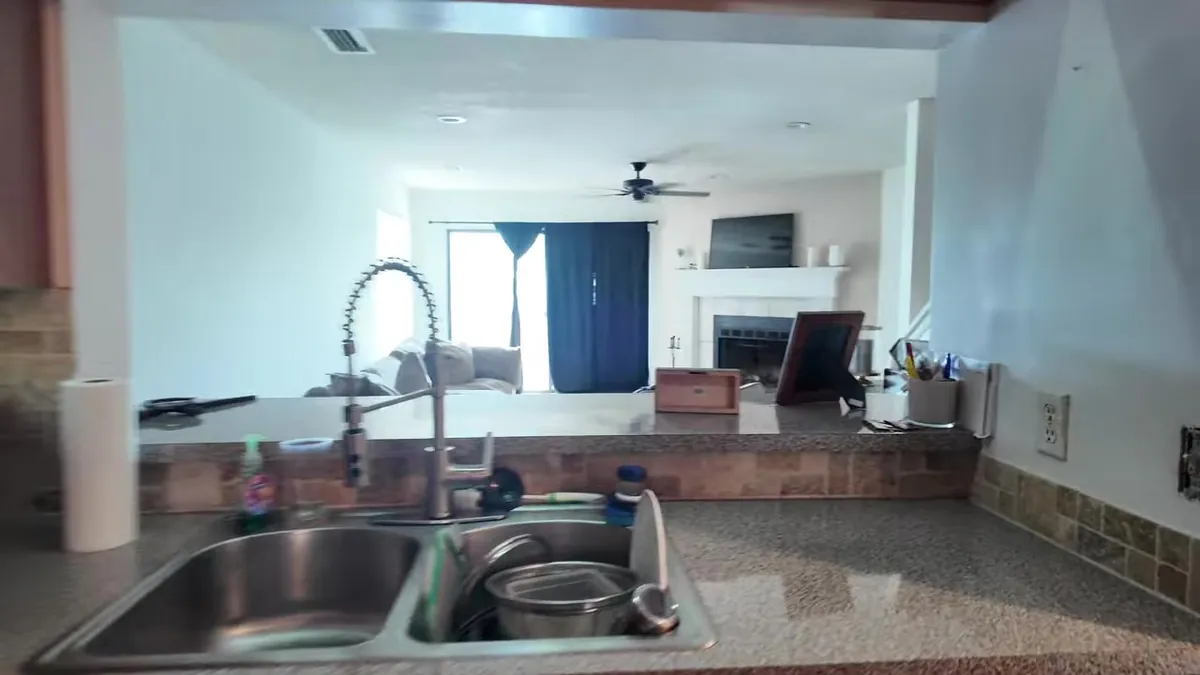
Why a Video Walkthrough Widens the Buyer Pool for a Short Sale
Short sales need patient buyers, and patient buyers are harder to find than regular ones. One of the best ways to find more of them is to stop limiting your buyer pool to people who can drive over on a Saturday.
A video walkthrough helps a buyer who lives out of state and cannot see the condo in person. It also gives every other remote buyer, investor and second-home shopper the same look. From a seller's point of view, that matters in a few ways:
- More buyers see it. Water-access condos attract boaters, retirees, and people planning a move to Florida. Many of them are not local yet.
- Fewer showings. If you still live in the unit, every showing means cleaning up and leaving. A thorough video screens out buyers who would not have liked it anyway.
- Fewer surprises. When a buyer has already seen the old ceiling repair and the broken microwave during a walkthrough, those items do not become a renegotiation later.
- Better questions. Out on the dock, I ran into the owner and asked him how the boat slips work. He said he has one but had never used it, and he would call and find out. That is exactly the kind of detail a buyer will ask about. In this community, the slips are owned, and a buyer who wants one may need to buy it from another owner. Getting the facts in writing before a buyer asks keeps things moving.
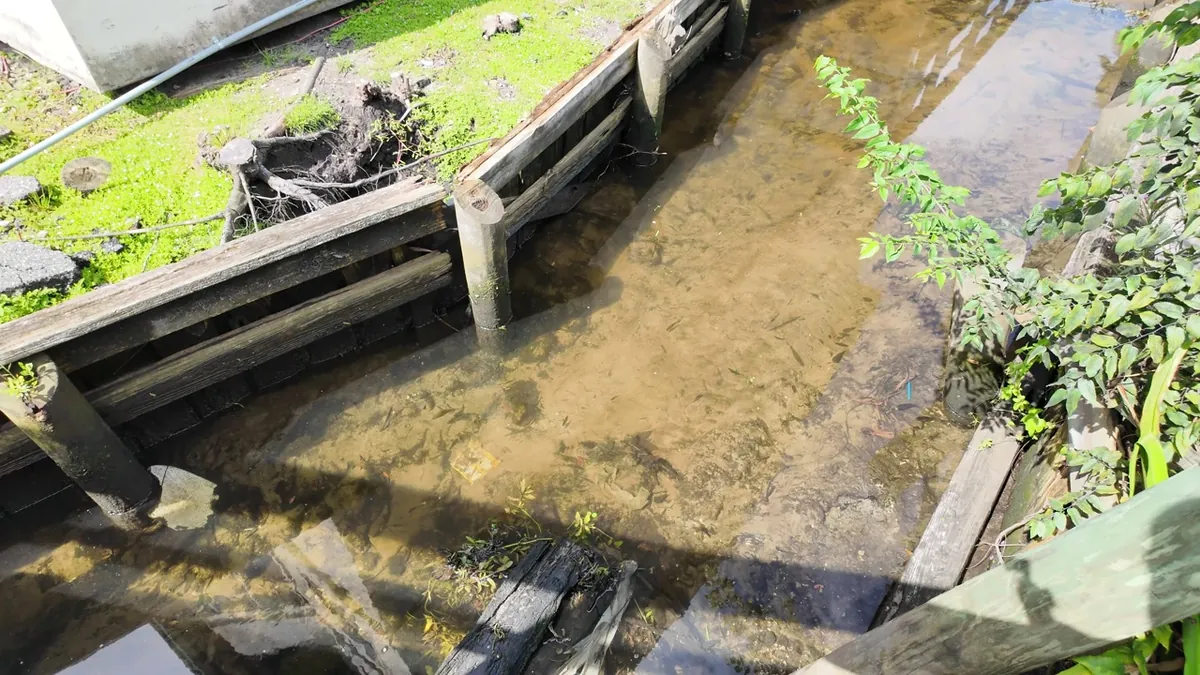
Show what the buyer is paying for
When you are behind on payments, it is tempting to want the sale over with as fast as possible, even if that means a quick listing with a few phone photos. I understand that. But a short sale price has to make sense to the lender, and the lender wants to see a real effort to get a fair price. Showing the features that matter, like the water, the dock, the trailer parking and the pool, helps attract offers your lender can actually approve.
The Paperwork Lenders Typically Want
Every lender has its own list, and the list can change while your file is open. But most short sale packages include the same kinds of things. Gathering them early is the single biggest thing a seller can do to speed up the process.
- A hardship letter. A short, honest explanation of what changed and when. You do not need to tell your life story. Plain facts are enough.
- Proof of income. Recent pay stubs, benefit letters, or other income records.
- Bank statements. Usually the last couple of months.
- Tax returns. Often the last two years.
- A financial statement or lender form listing your income, expenses and assets.
- Written permission for your agent or other representative to talk with the lender.
- The listing agreement and the purchase contract, once there is a buyer.
- A preliminary settlement statement showing how the money would be split at closing.
- The association's payoff figures, so the lender sees the full picture.
Second mortgages and other liens
If there is a second mortgage, a home equity line, a judgment, or an association claim of lien recorded against the unit, every one of them has to be part of the plan. A first lender approving a short sale does not erase a second lien. Each party with a lien may need to agree to a payoff. That is more phone calls and more time, which is one more reason to start early.
How Long It Can Take, and How to Keep It Moving
I will say it plainly: this is a short sale, so it will take longer than a regular sale. That is the honest truth about every short sale. The lender has to approve the deal, and that approval can take weeks or months depending on the lender, the investor behind the loan, the paperwork and the buyer.
Here is what usually slows a condo short sale down, and what you can do about each one:
| What slows it down | Why it happens | What helps |
|---|---|---|
| Missing documents | The lender will not start until the package is complete | Gather everything before you list and answer document requests the same day |
| Expired estoppel | The certificate is only good for 30 or 35 days | Order an updated one as the approval gets close |
| Late condo documents | The buyer gets a new window to cancel | Have the full resale packet ready before the first showing |
| A second lien | Each lienholder has to agree to a payoff | Identify every lien on day one |
| A buyer who loses patience | They did not understand how long approval takes | Pick a buyer who has done a short sale before or is ready to wait |
| Lender valuation comes in high | The lender thinks the unit is worth more than the offer | Document condition and comparable sales so the price is defensible |
Keep paying what you can, if you can
I am not your financial advisor, and every situation is different. But many sellers find that staying in touch with the association, and paying current dues if they can, keeps the balance from snowballing while the short sale works its way through. Ask the association whether it offers a payment plan, and get anything it agrees to in writing.
Short Sale or Foreclosure: What the Seller Actually Lives Through
I am not telling you this to scare you. I am telling you because I have watched people avoid their mail until the choices were gone. When you see what each path looks like from the owner's chair, the decision tends to get clearer.
A short sale is a sale you take part in
You pick the agent, you approve the price you list at, you sign the contract with a buyer, and you pick a closing date that works with the lender's approval. You know when you are moving. You can plan where you are going. The association gets paid at closing the way the approval allows, and you are not waiting on an auction date.
A foreclosure is a court case with deadlines
Florida law says that once there is a final judgment, the court directs the clerk to sell the property at a public sale on a day that is not less than 20 days or more than 35 days after the judgment, with some exceptions in the statute (Florida Statutes s. 45.031, accessed Nov 7, 2026). The Duval County Clerk's foreclosure page explains the steps, from being served to the sale (Duval County Clerk of Courts, Foreclosure, accessed Nov 7, 2026). The Clerk's page also notes that it cannot give legal advice, and it points people toward lawyer referral and legal aid resources.
A condo owner can face that process from two directions: the lender and the association. Both have their own deadlines. If you have been served, read everything the same day and talk to a Florida attorney or legal aid right away.
| Question | Short sale | Foreclosure |
|---|---|---|
| Who controls the timing? | You, the buyer and the lender work out a closing date | The court and the clerk set the sale date |
| What happens to association dues? | Usually settled at the closing table, subject to the lender's approval | The association may file its own claim or foreclosure |
| Do you know when you have to move? | Yes, you know the closing date ahead of time | Often only after a sale date is set |
| Who buys it? | A buyer you chose through a normal contract | Whoever bids at the auction |
| Could you owe more afterward? | Depends on the approval terms and Florida law; ask an attorney | Depends on the judgment and Florida law; ask an attorney |
Will You Owe the Difference?
This is the question almost every short sale seller asks me, and it is the one I am most careful about. The honest answer is: it depends, and you need an attorney and a tax professional to answer it for your situation. Here is the general picture so you know what to ask.
The deficiency
The gap between what you owe and what the sale brings is called the deficiency. Florida law says that in foreclosure suits, a deficiency decree is within the sound discretion of the court. For owner-occupied residential property, it says the deficiency may not exceed the difference between the judgment amount, or in the case of a short sale, the outstanding debt, and the fair market value of the property on the date of sale (Florida Statutes s. 702.06, accessed Nov 7, 2026). That statute also says the lender may have the right to sue at common law to recover a deficiency in some cases.
What this means in practice is that the words in your short sale approval letter matter a great deal. Some approvals say the lender waives the remaining balance. Some do not. Read the approval closely and have a Florida attorney read it before you sign anything at closing.
The tax side
The IRS says that, in general, if a debt is canceled, forgiven or discharged for less than the amount owed, the canceled amount is taxable, and that the law provides several exceptions. It also says the creditor may send a Form 1099-C showing the amount canceled (IRS Topic No. 431, Canceled Debt, accessed Nov 7, 2026). Whether an exception applies to you depends on your situation, so talk to a tax professional before closing, not after the form arrives in the mail.
Do not let this question freeze you
People sometimes hear "you might owe the difference" and decide to do nothing. Doing nothing does not make the deficiency question go away. It just takes away the options where you get to negotiate. A short sale at least puts the question on the table while you still have some say in the answer.
When a Cash or As-Is Sale Beats a Short Sale
A short sale is the right tool when you owe more than the condo will bring. But not everyone who is behind on payments is underwater. If you still have equity, a short sale may not be necessary at all, and a regular sale or a direct cash sale can be faster and simpler.
In that made-up case, the owner is behind but not underwater. A normal sale can pay off the loan, the missed payments and the association, and still leave money for the owner. The challenge is usually time. If a foreclosure case is already moving, there may not be room for a long listing.
When a direct cash sale can make sense
- You have equity and you need to close quickly, before a sale date is set.
- The unit needs work that you cannot pay for, and financed buyers or their lenders would balk at the condition.
- Financing is hard in your building, because of the association's finances, insurance or litigation, so the pool of financed buyers is small.
- You want one showing, not weeks of keeping a unit ready while you are under stress.
When listing it is better
If you have time and the condo shows well, putting it on the open market often brings a higher price. A water-access unit with working systems, like this one, is a good example. I will tell you honestly which path I think puts the most money in your pocket, even if that path is not a cash offer from me.
And if you are underwater, any sale, including a sale to a direct buyer, still needs the lender's approval. A cash buyer cannot make the shortfall disappear. What a cash buyer can sometimes do is close on a firm timeline once the lender approves, which takes one source of delay off the table.
What to Do, and What Not to Do, During a Condo Short Sale
Do
- Open every piece of mail from your lender, the association, its management company, and any court. Keep it all in one folder.
- Get your latest mortgage statement and write down the balance and how far behind you are.
- Ask the association for a current balance and whether a claim of lien has been recorded.
- Gather the condo documents a buyer will be entitled to, including the reserve study and any milestone summary that applies.
- Write your hardship letter now, while you are calm, and keep it short and factual.
- Pull together income records, bank statements and tax returns.
- Find out about the extras that come with the unit, like parking, storage and boat slips, and whether any of them are owned separately.
- Talk to a Florida attorney and a tax professional about the deficiency and the tax side before you sign an approval.
- Keep the unit ready to show, within reason. Clean, lights on, pets secured during showings.
- Answer the phone and email. Lenders send requests with deadlines. Quick answers keep the file alive.
Do not
- Do not ignore a court summons. The Duval Clerk explains that the response window is 20 calendar days from service.
- Do not pay anyone an upfront fee to "save your home" without checking them out and talking to an attorney first.
- Do not sign over your deed to anyone who promises to handle everything. Get legal advice before you transfer anything.
- Do not hide known problems like old leaks. Disclose them.
- Do not move out and stop caring for the unit without a plan for utilities, insurance and access. An empty unit with the power off shows poorly and can get damaged.
- Do not promise the buyer credits or repairs before the lender approves them.
- Do not wait for the perfect moment. Every month adds interest, fees and missed payments to the numbers.
If Your Condo Is Rented Out
Some condo owners who fall behind are not living in the unit. They moved, rented it out, and the rent stopped covering the mortgage and the dues. If that is you, there is a rule you should know about.
Florida's condo statute says that if a unit is occupied by a tenant and the owner is delinquent in paying the association, the association may make a written demand that the tenant pay the rent to the association instead, until the owner's obligations are paid in full. A tenant who pays the association as demanded is protected from a claim by the landlord for those amounts (Florida Statutes s. 718.116(11), accessed Nov 7, 2026).
In plain words, if you are behind on dues and you have a tenant, your rent can be redirected to the association. That can leave you with even less to put toward the mortgage. A rented unit can also be harder to show and harder to sell, depending on the lease. If you have a tenant and you are thinking about a short sale, talk to an attorney about the lease and your obligations before you make any changes, and do not try to remove a tenant on your own.

How I Can Help
When you reach out, here is what happens. We talk about the condo and your situation, as much or as little as you want to share. I give you a straight read on what the unit would likely bring as it sits today. We look at what you owe the lender and the association and what selling would cost. Then I lay out the paths that are realistic for you, whether that is a short sale, a regular listing, a direct cash sale or something else.
On a condo, I also help with the parts that trip people up: getting the association's balance, lining up the condo documents early, filming a thorough walkthrough so remote buyers can see the unit, and keeping the lender's file moving. I have walked a lot of properties where the owner was behind and stressed. I would much rather hear from you early, when every option is still open, than late, when only one or two are left.
No pressure, and no judgment. Just honest options.
Frequently Asked Questions
Can I do a short sale on a condo?
Yes. A condo short sale works much like a house short sale. The main difference is that the association's balance also has to be handled at closing, and the buyer is entitled to the condo documents.
I am behind on my association dues but not my mortgage. Is that a problem?
It can be. Florida law gives the association a lien to secure unpaid assessments, and it can foreclose that lien after giving the required notice. Talk to the association about a payment plan and talk to an attorney if you have received a lien notice.
Will the buyer have to pay my past dues?
Florida law makes a new owner jointly and severally liable with the previous owner for unpaid assessments that came due up to the transfer of title. That is why the association balance is normally dealt with at closing.
What is an estoppel certificate?
It is the association's official statement of what is owed on the unit. The association has to issue it within 10 business days of a proper request, and it is good for 30 days if delivered by hand or electronically, or 35 days if mailed.
What documents do I have to give a buyer?
Florida law says a buyer is entitled, at the seller's expense, to the declaration, articles, bylaws and rules, the annual financial statement and budget, the frequently asked questions document, and, where they apply, the milestone inspection summary, the structural integrity reserve study or a statement that one has not been done, and a turnover inspection report.
How long does a condo short sale take?
Longer than a regular sale, because the lender has to approve it. The timeline depends on the lender, the paperwork, any other liens and the buyer. Starting early and keeping documents ready helps the most.
Will I owe the difference after a short sale?
It depends on the terms of your approval and Florida law, which limits some deficiencies on owner-occupied homes. Have a Florida attorney read your approval letter before closing, and talk to a tax professional about any canceled debt.
Do I have to fix things before I list?
No. Most short sale units are listed as they are. Fix cheap safety items, disclose known problems like old leaks, and leave cosmetic items for the buyer.
Can I still live in the condo during the short sale?
Often, yes, until closing. You will need to keep it ready for showings and keep the lender and the association informed. Your approval letter will set the closing terms.
What if my condo is rented?
If you are behind on dues, Florida law allows the association to demand that your tenant pay rent to the association instead. Talk to an attorney about the lease before you list or make any changes.
What about boat slips, parking or storage that come with the unit?
Find out early whether each one is part of the unit, assigned by the association, or owned separately. In this community, the boat slips are owned, so a buyer who wants one may need to buy it from another owner.
Will you buy my condo directly?
Sometimes that is the best fit, and sometimes listing it is better. If you owe more than the unit will bring, your lender still has to approve any sale. I will tell you honestly which path I think gets you the best result.
What should I do first?
Open your mail, get your latest mortgage statement and your association balance, and reach out for a free, no-pressure conversation. The earlier you start, the more options you have.
More on this topic: selling your house with a short sale in Florida, selling a house when you are behind on payments, your rights in a Florida HOA foreclosure, and a short sale on a nearly new Jacksonville house.
Sources
Every Florida legal fact above was checked against a Florida Statute, the Duval County Clerk of Courts, or the IRS. Each link was opened and read on Nov 7, 2026. Facts about the condo come from my walkthrough observations.
- Florida Statutes s. 718.116, Assessments; liability; lien and priority; interest; collection (accessed Nov 7, 2026)
- Florida Statutes s. 718.503, Developer agreements; nondeveloper disclosure (accessed Nov 7, 2026)
- Florida Statutes s. 702.06, Deficiency decree (accessed Nov 7, 2026)
- Florida Statutes s. 45.031, Judicial sales procedure (accessed Nov 7, 2026)
- Duval County Clerk of Courts, Foreclosure (accessed Nov 7, 2026)
- IRS Topic No. 431, Canceled Debt: Is It Taxable or Not? (accessed Nov 7, 2026)
This article is general information, not legal, tax or financial advice. Talk with a Florida attorney and a tax professional about your own situation.
Local Office: 8553-2 Argyle Business Loop, Jacksonville, FL 32244 · 904-606-9163 · chris@webuyanyhouseinflorida.com