If you bought a home in the last few years and now owe more on it than it will sell for, you are not alone, and you are not out of options. A home can be nearly new, in good shape and still be upside down. When you need to sell and the numbers do not work, a short sale, where your lender agrees to accept less than what you owe, can be a way out that does not end in foreclosure.
This article walks through a 2023-built house in Jacksonville that I am working as a short sale, why newer homes end up underwater, how a short sale works from the seller's side, what foreclosure looks like in Duval County if nothing is done, what you can do this week, and the myths that keep people stuck. It is general information, not legal, tax or financial advice.
The Situation: A Nearly New House That Still Will Not Sell for What Is Owed
I get calls from homeowners who are surprised to be in this spot. They did everything you are supposed to do. They bought a newer home and kept up with it. Then life changed. A job moved. The family needed to be somewhere else. And when they finally sat down and looked at what the house would sell for, it was less than what they still owed the bank.
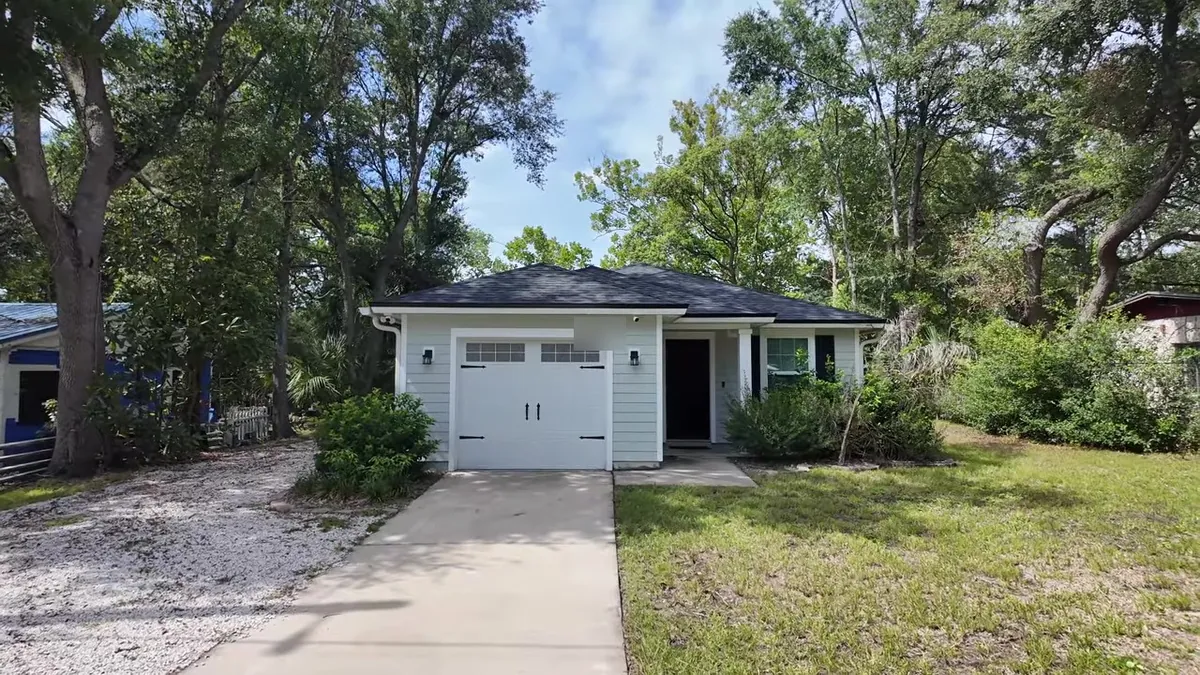
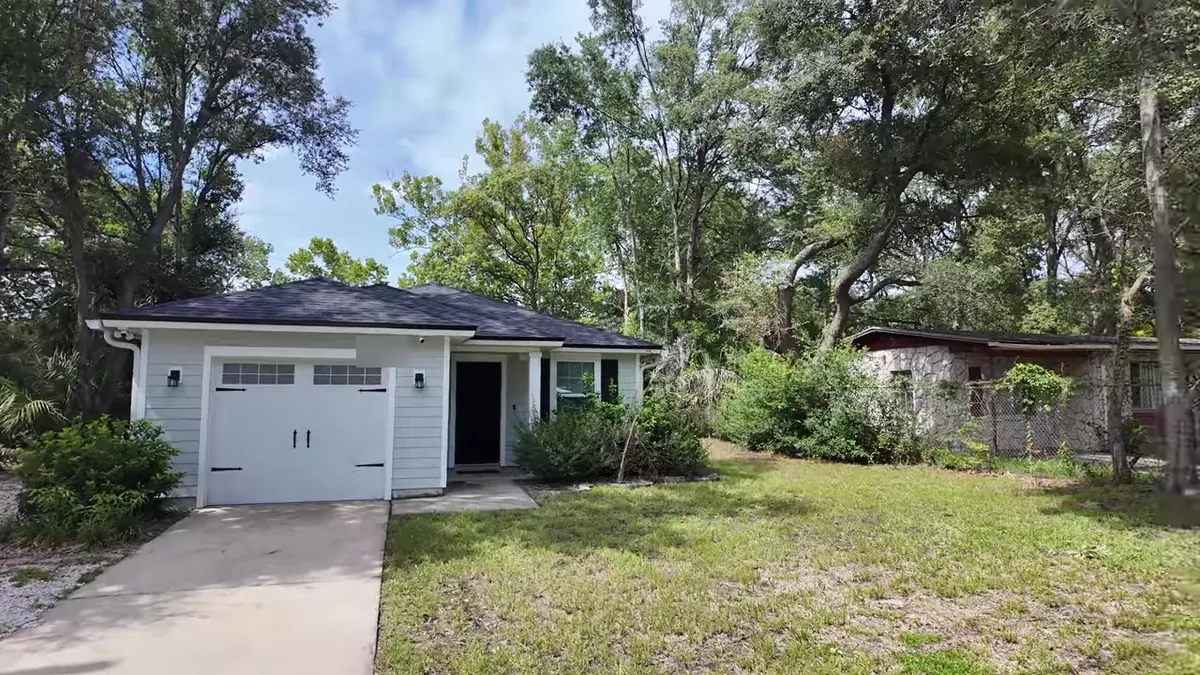
That is the kind of house I walked through in this video. It is in Jacksonville. It was built in 2023, so it is only a few years old. Three bedrooms, two baths, about 1,200 square feet. The roof is good, the water heater is good, and the air conditioning is a 2023 Carrier unit that works well. On paper, this is the kind of house people think could never be a problem.
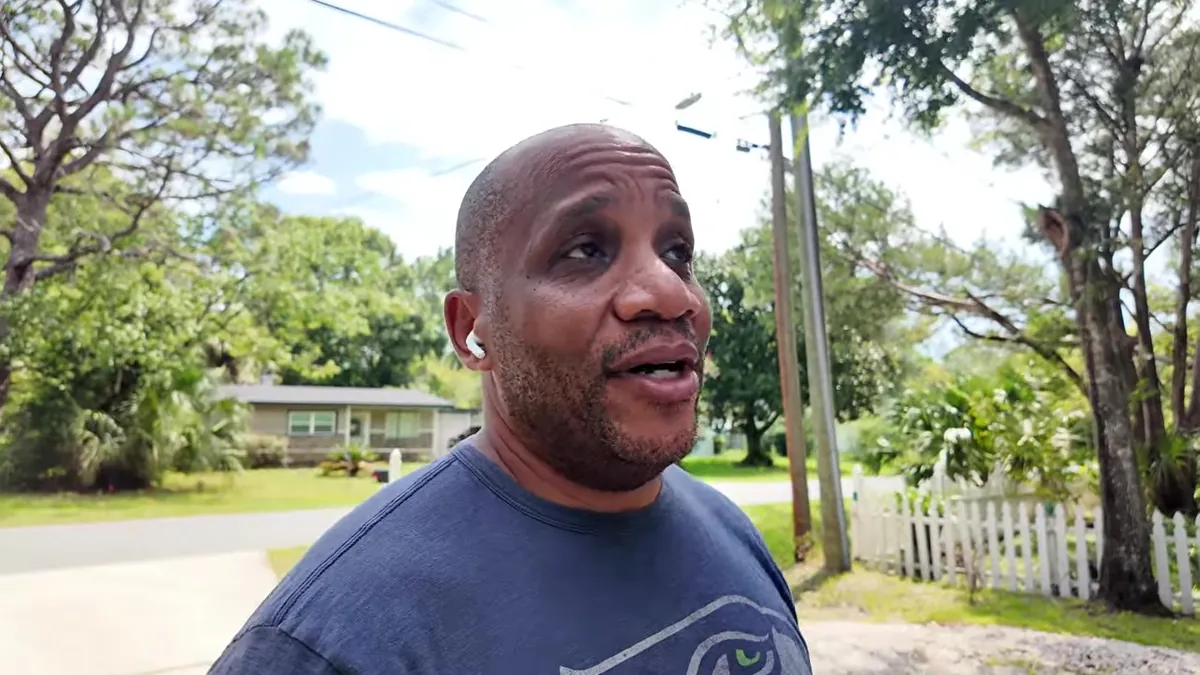
And it is going to be a short sale. The house needs some cleaning and a little TLC, and it is going on the market as it is. I am not going to share anything about my client's situation, and I never will. What I will share is the house, the process and what it means if you are in a similar spot.
I want to say this clearly before anything else: being underwater on a house is not a moral failure. It is math. Prices move, costs add up, and sometimes the timing is just bad. My job is not to judge how you got here. My job is to help you see your options so you can pick the one that hurts the least.
How Newer Homes End Up Underwater
People are often confused about how a house that is only a couple of years old can be worth less than the loan on it. Here are the most common reasons I see. None of these are about anyone specific. They are just how the numbers tend to work.
You have not had time to build equity
In the first few years of a mortgage, most of each payment goes to interest, not principal. So the balance comes down slowly at first. If you bought with a small down payment, or with a loan that let you put very little down, your cushion was thin from the start.
Selling costs eat the cushion
Even if the house would sell for a little more than you owe, selling a house costs money. There are commissions, closing costs, title charges, any repairs a buyer asks for, and the taxes and fees that come with transferring the property. A thin cushion can disappear quickly once those come out.
You may have bought near a high point
If you bought when prices were climbing fast and competition was intense, you may have paid a strong price. If the market has leveled off or prices in your area have softened since then, the sale price today may not cover the loan.
Condition slipped while you were not there
This is a big one with newer homes that become rentals. The house itself is fine, but the people who lived there did not take care of it the way an owner would. In this house, the systems are good. What it needs is cleaning, some flooring repair and some freshening up. That is not a big job, but when an owner cannot put money into that kind of work before selling, the house goes to market as it is, and buyers price that in.
In that made-up example, the price is higher than the loan, but the owner would still have to bring money to closing to sell. That is where a lot of people get stuck. They do not have that money, they cannot keep paying for a house they do not live in, and they do not know there is another way.
What a Short Sale Is, in Plain English
A short sale is a sale where the lender agrees to accept less than the full amount owed so the house can be sold. "Short" just means the sale price comes up short of the loan balance. The lender has to approve it. You cannot simply decide to sell for less and hand the bank what is left.
Here is how I explain the general flow to homeowners. Every lender has its own process and paperwork, so think of this as the shape of it, not a promise of how yours will go.
- We look at the numbers together. What the house would likely sell for, what you owe and what it would cost to sell.
- We contact your lender with your written permission and ask about its short sale process.
- You gather documents. Lenders commonly ask for a hardship explanation, recent statements and financial information. I will explain what yours asks for once we know.
- The house goes on the market as a short sale, priced where buyers will actually make offers.
- We get an offer and send it to the lender with your package.
- The lender reviews it. They may order their own valuation, ask questions or counter.
- If the lender approves, we close on the terms in the approval.
In the video I said it plainly: this will be a short sale, so it will take a little bit longer. That is the honest truth about short sales. The lender's review adds time. But for a lot of homeowners, a slower sale that ends cleanly is far better than the alternative.
Why a lender would agree
People ask me why a bank would ever accept less. The simple answer is that foreclosure is not free for the lender either. It takes time, legal work and money, and at the end of it the lender may own a house it has to maintain and sell anyway. When a short sale offer is reasonable, it can make more sense for the lender to take it. Whether yours will is something only your lender can decide.
Condition Still Matters in a Short Sale
A short sale does not mean the house has to look bad. But it often means the owner does not have money to fix things before listing, and that is fine. Buyers who shop short sales know they are getting a house on a discount and taking on some work. In the video I said it this way: that is just the cost of getting a house on a discount.
Here is what this house needs and does not need, so you can see what "a little TLC" looks like in real life.
What is in good shape
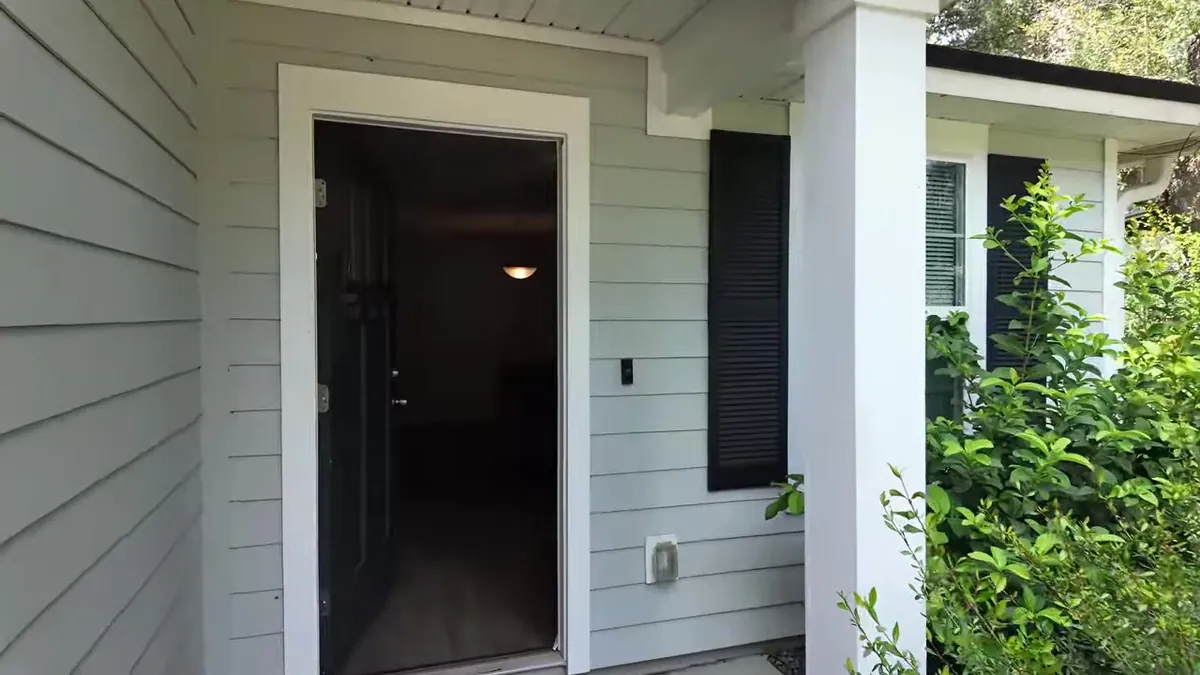
- Roof, water heater and air conditioning. All good. The AC is a 2023 Carrier unit and works well.
- Power is on. We just got the power turned on, so the microwave, refrigerator, stove and dishwasher all run for showings.
- Gutters. People do not realize how helpful gutters are on a house in Florida. This one has them.
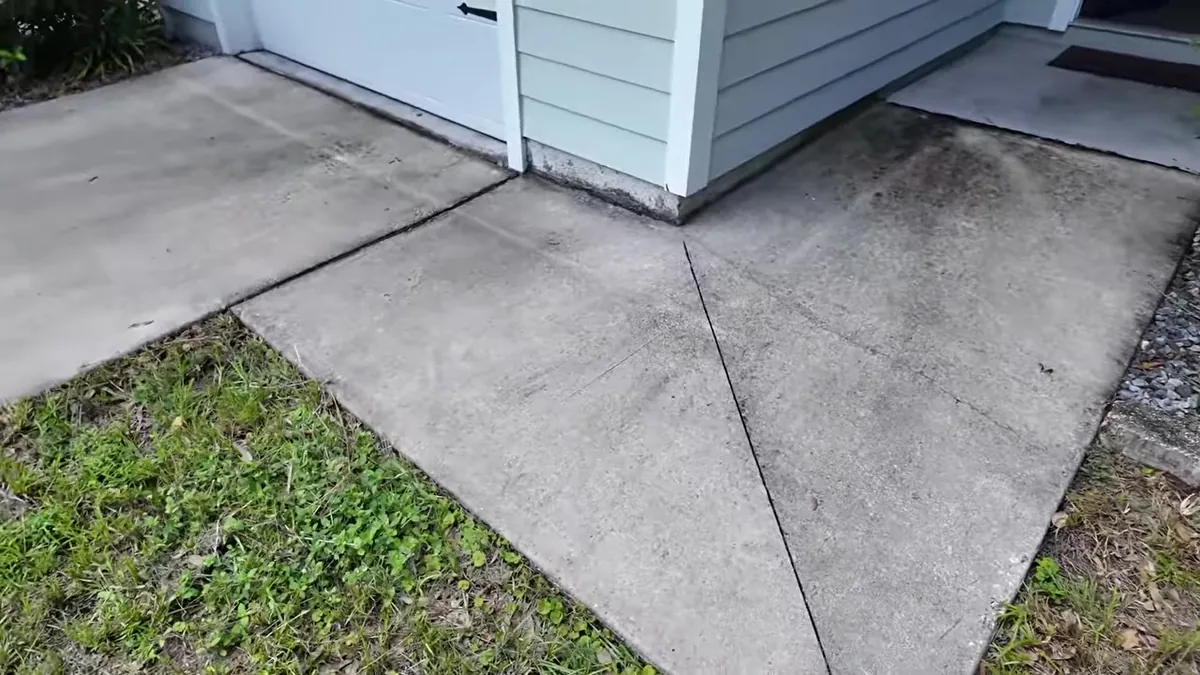
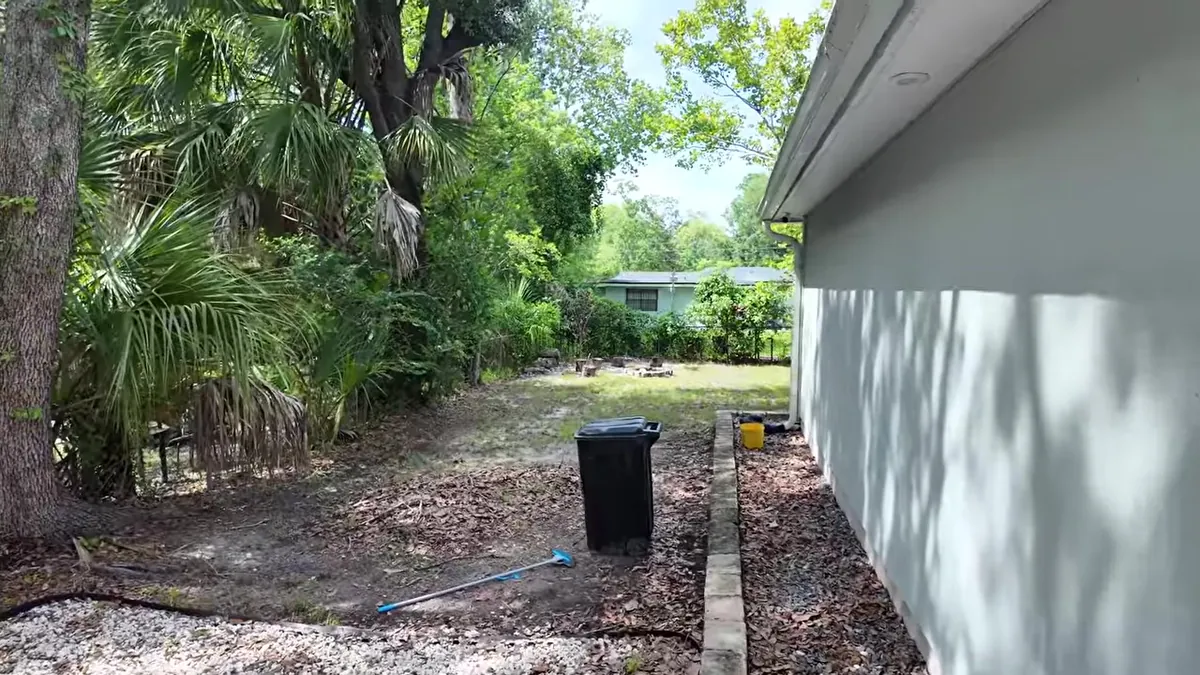
- Edging along the side of the house. Somebody put blocks with gravel inside them along the house, which keeps a clean separation from the grass and makes yard work easier.
What needs work
- Cleaning. This house really needs a good cleaning. Dirt and dust, mostly. Even though the house is only a couple of years old, the people who stayed there did not keep it clean, so it needs a good cleaning.
- Flooring in the owner's suite. Some of the stick-down tile is peeling up.
- Belongings left behind. The last occupants left some of their things. That will be cleaned out before anyone moves in. Compared to the hoarder houses I usually deal with, this is a very minor cleanout.
- A beeping smoke detector. Small, but on my list to track down.
- The side yard fence. The back is fenced, but the side is open, so a buyer with a dog would want to close that in.
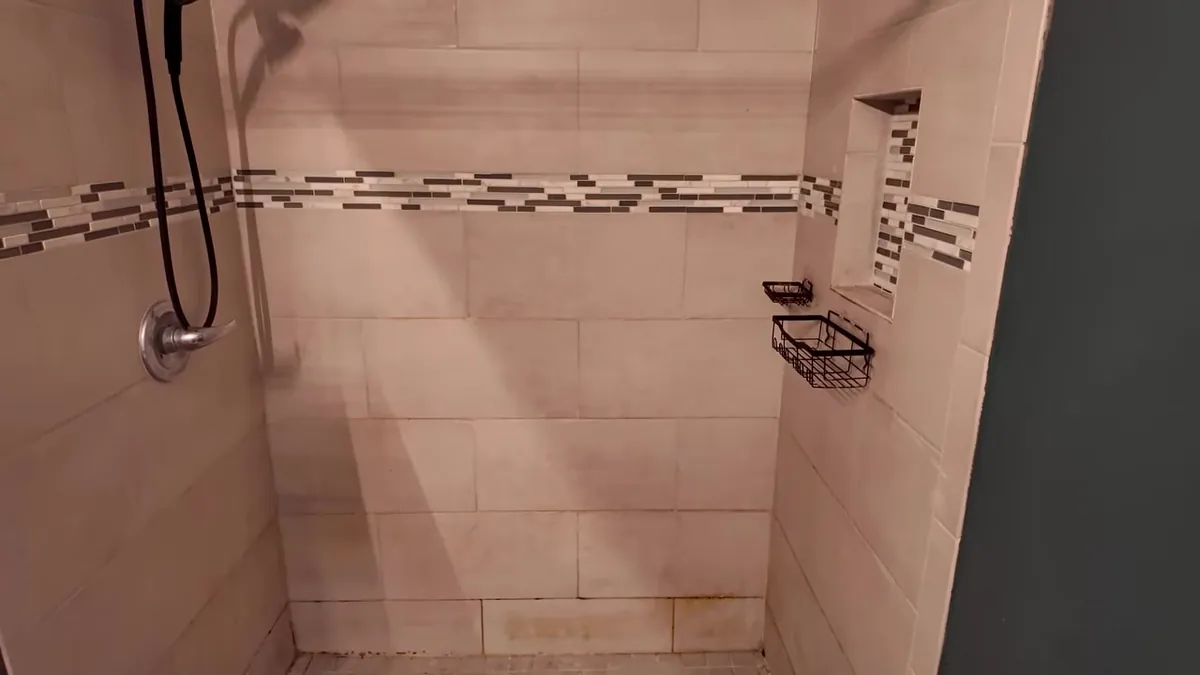
When you look at that list, it is mostly elbow grease. That is good news for a seller, because it means the house can be shown as it is and still attract buyers. It is also why I offer to help with the cleanout. I do that all the time, and it is one less thing the owner has to manage from wherever they are.
What conveys and what does not
One more practical detail from this house: the kitchen appliances stay, including the refrigerator. The washer and dryer do not convey. Being clear about that from day one prevents a fight later. If you are selling, make your own list now of what stays and what goes, and stick to it.
If You Have Moved Away: Managing a Vacant House During a Short Sale
A lot of underwater owners are not living in the house anymore. That brings its own set of worries. Who is checking on it? Who cuts the grass? What if a pipe leaks or someone breaks in? Here is what I handle, or help an owner set up, when the house is empty.
- Get the utilities on. Buyers and inspectors need power and water. On this house, getting the power turned on was step one.
- Cut the grass and keep it cut. An overgrown yard tells buyers and neighbors the house is abandoned. We cut this one before filming.
- Clear out what was left behind. Furniture and belongings make rooms look smaller and dirtier than they are.
- Clean it. A deep clean is one of the cheapest ways to change how buyers feel.
- Secure it. Lock every door and window and make sure someone has a key and a plan to check on it.
- Mark anything that should not be used. In this house I put tape over one of the toilets so nobody uses it during showings. Small step, fewer problems.
- Keep the owner in the loop. Short updates after each visit, with photos, so the owner does not have to wonder.
Those costs are on top of the mortgage itself, if you are still paying it. That is why I always tell people that waiting is a decision too, and it is usually an expensive one.
What Foreclosure Looks Like in Duval County if Nothing Is Done
I am not telling you this to scare you. I am telling you because I have seen too many people avoid the mail until it is too late. When you know how the process works, you can see how much time you really have and why starting early matters.
It goes through the court
In Florida, foreclosure happens through the courts. Florida law says all mortgages shall be foreclosed in equity (Florida Statutes s. 702.01). The Duval County Clerk of Courts describes foreclosure as a legal process in which the lender asks the court to force a sale of the property that was used as collateral for the loan, and says the Clerk's Office conducts foreclosure sale auctions as directed in Chapter 45 of the Florida Statutes (Duval County Clerk of Courts, Foreclosure). Both accessed Nov 4, 2026.
That means there will be court papers, and those papers have deadlines. If you are served, read everything that day, and talk to a Florida attorney or legal aid right away. The Duval Clerk's page notes that you are not required to have an attorney but that the Clerk cannot give legal advice, and it points people toward the Florida Bar's Lawyer Referral Service and Jacksonville Area Legal Aid.
The sale date
If the court rules for the lender, the final judgment sets a sale date. Florida law says the court shall direct the clerk to sell the property at public sale on a specified day that shall be not less than 20 days or more than 35 days after the date of the judgment, with some exceptions in the statute (Florida Statutes s. 45.031). The Duval Clerk says the same: the Final Summary Judgment states the amount owed and the date and time of the sale, which will be at least 20 days after the hearing but typically not more than 35 days later, and Duval foreclosure sales are held online (Duval County Clerk of Courts, Foreclosure). Both accessed Nov 4, 2026.
After the auction
Florida law says that if no objections to the sale are filed within 10 days after the certificate of sale is filed, the clerk shall file a certificate of title (Florida Statutes s. 45.031). The Duval Clerk explains that the certificate of title is issued 10 calendar days after the certificate of sale if fees are received and no objection is pending (Duval County Clerk of Courts, Foreclosure). Both accessed Nov 4, 2026.
Look at how little room there is once a judgment is entered. Everything before that point is where a short sale has time to work. That is why I keep saying start early.
Two Rights Owners Often Do Not Know About
The right of redemption
Florida law gives the borrower a right to redeem, meaning to pay what is owed and stop the sale, at any time before the later of the clerk filing a certificate of sale or the time set in the judgment (Florida Statutes s. 45.0315). The Duval Clerk puts it this way: the borrower may redeem the property by paying the amount owed as specified in the Final Summary Judgment, and this right ends when the Clerk's Office issues the Certificate of Sale following a successful auction (Duval County Clerk of Courts, Foreclosure). Both accessed Nov 4, 2026.
For most underwater owners, paying the full amount is not realistic, which is exactly why a short sale earlier in the process is usually the more practical path. But it is a right you should know exists.
Surplus funds
Sometimes a foreclosure auction brings in more than what is owed under the judgment. Florida law defines surplus funds as the money remaining after payment of all disbursements required by the final judgment, and it creates a presumption that the owner of record on the date the lis pendens was filed is the person entitled to the surplus, after timely claims by subordinate lienholders (Florida Statutes s. 45.032). The Duval Clerk says any funds remaining after the sale proceeds have been distributed become surplus funds, and that the owner may file an Owner's Claim for Mortgage Foreclosure Surplus (Duval County Clerk of Courts, Foreclosure). The Clerk's own claim form states that the owner is not required to have a lawyer or any other representation and does not have to assign their rights to anyone else to claim money they may be entitled to (Duval Clerk, Owner's Claim for Mortgage Foreclosure Surplus form). All accessed Nov 4, 2026.
If you are underwater, there is usually no surplus to speak of. I mention it because people who have been through a foreclosure sometimes get letters offering to "recover" money for a big cut. Read the Clerk's form before you sign anything with anyone.
Your Options When You Owe More Than the House Is Worth
A short sale is not the only path. Here is how I lay out the common options for a homeowner who is underwater. Which one fits depends on your finances, your lender and how much time you have. This is a general guide, not advice for your situation.
| Option | What it means | Can work when | Watch out for |
|---|---|---|---|
| Keep paying and wait | Hold the house until values or your balance improve | You can afford it and do not need to move or sell | Holding costs, repairs and the risk that waiting does not help |
| Rent it out | Let rent cover some or all of the payment | Rent covers costs and you can manage tenants from a distance | Vacancies, damage, and tenant problems when you are far away |
| Ask about a loan workout | Talk to your lender about options to keep the home | Your hardship is temporary and you want to stay | It only works if the new terms are affordable for you |
| Sell and bring money to closing | Pay the difference yourself | You have savings and want a clean, fast sale | Most underwater owners do not have the difference |
| Short sale | Lender approves a sale for less than owed | You need out, cannot cover the gap and act before the late stages | Takes longer and needs lender approval; ask an attorney about any remaining balance |
| Let it go to foreclosure | The lender sues and the property is sold at auction | Rarely the best choice if you have time to act | Court process, a public record, and loss of control over the timing |
Notice how many of those options depend on time. The earlier you start, the more of the table is still open to you.
Your Short Sale To-Do List
If a short sale might be your path, here is what I ask homeowners to do. You do not need to do it all today. Just start.
- Open your mail. All of it. Put every letter from your lender and anything from a court in one folder.
- Get your latest mortgage statement. It shows your balance, the lender's contact information and whether you are behind.
- Write down your hardship in plain words. What changed and when. Lenders commonly ask for this, and it is easier to write when you are not rushed.
- Gather your financial documents. Recent pay stubs or income records, bank statements and tax returns are commonly requested.
- Find out if anyone else has a lien. A second mortgage, an HOA or other debts tied to the property all have to be part of the plan.
- Talk to someone who does short sales. Not every agent does. Ask how many they have closed and how they work with lenders.
- Talk to a tax professional and a Florida attorney. Ask about the tax side of forgiven debt and whether the lender can pursue any remaining balance.
- Get the house show-ready, within reason. Utilities on, grass cut, belongings out, a good cleaning.
- Make your list of what stays and what goes. Appliances, washer and dryer, anything attached to the house.
- Stay reachable. Lenders send document requests with deadlines. Fast answers keep a short sale moving.
Start Before Missed Payments Pile Up
If there is one thing I want you to take from this article, it is this: the best time to start a short sale is before you are deep into missed payments, and the second best time is today.
Here is why timing matters so much:
- Short sales take time. Lender review adds weeks or months. You want that clock running before any court dates are set.
- Your options shrink as you fall behind. Look back at the options table. Several of them close once a case is far along.
- The house gets harder to sell the longer it sits. Grass grows, smoke detectors start beeping, dust builds up, and buyers notice.
- Stress makes it harder to think. People who start early make calmer decisions.
Starting early does not mean you have to sell. It means you get the facts while you still have choices. Some people find out a short sale is not even necessary. Others find out it is the best of a hard set of options. Either way, you are deciding instead of having it decided for you.
What to do this week
- Pull your mortgage statement and write down your balance.
- Get a realistic idea of what the house would sell for as it is today.
- Do the walk-away math from the first math box with your real numbers.
- If the answer is below zero, call someone who handles short sales and ask questions. No commitment.
Short Sale Myths That Keep People Stuck
"My house is too new to be a problem."
The house in this video was built in 2023. Age has nothing to do with whether you owe more than it will sell for. Newer homes can actually be more likely to be underwater, because there has been less time to build equity.
"If the bank will not take full price, nobody can help me."
That is exactly what a short sale is for. The lender can approve less than the full balance. It is not guaranteed, but it is a real, common process.
"I have to fix everything before I can sell."
No. This house needs cleaning, flooring repair and a cleanout, and it is on the market as it is. Buyers who shop short sales expect some work.
"I live out of state, so I cannot do this."
You can. A lot of short sale sellers are not local anymore. The paperwork can be handled from anywhere, and someone local can handle the house, the cleanout, the grass and the showings.
"Short sales never close."
Some do not. Many do. The ones that close tend to have a realistic price, a complete document package, a responsive seller and someone who follows up with the lender constantly.
"It is too late once I have missed payments."
Not necessarily. Missing payments is often what leads people to a short sale in the first place. What matters is how far along things are. Once a sale date is set, the window is much smaller, so call sooner rather than later.
"Foreclosure and a short sale are basically the same."
They are not. A short sale is a sale you take part in, with a buyer and an approved closing. Foreclosure is a court process that ends in an auction. How each one affects your credit and your future borrowing is something to ask a qualified professional, but the experience of going through them is very different.
Why the Right Buyer Matters in a Short Sale
From the seller's side, the buyer can make or break a short sale. A buyer who does not understand short sales may lose patience and walk away halfway through the lender's review. Then you start over.
What I look for in a short sale buyer, on behalf of my seller:
- Patience. They understand the timeline is not a normal 30-day close.
- Ready financing or funds. So the deal does not fall apart at the end.
- Realistic expectations about condition. They know they are getting a house on a discount and some work comes with it.
- Clear communication. They respond when the lender asks for something.
As a local buyer myself, I also look at whether buying the house directly could help the owner, when that makes sense for everyone and the lender agrees. Sometimes it does, sometimes listing it is better. I will tell you which I think is right for you.
A Few More Things I Showed in the Walkthrough
Since the video is part of how this house gets sold, here is what else I pointed out, so you can see the kinds of features worth highlighting even when a house needs work.
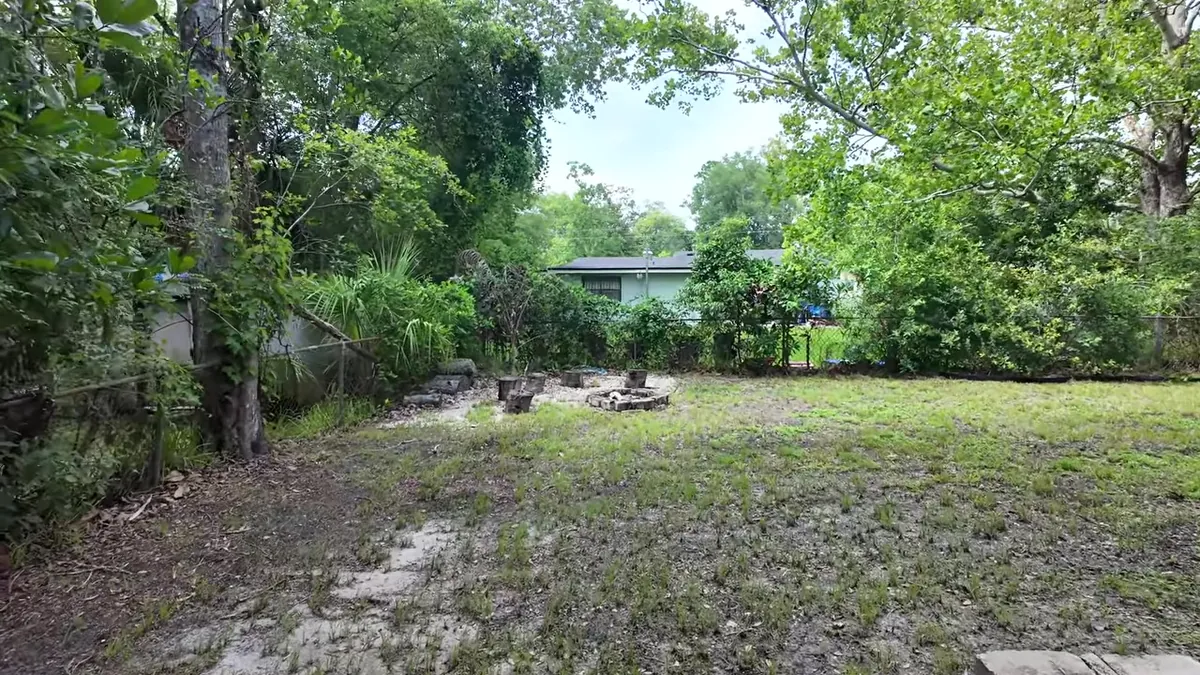
- A good-sized yard in front and in back, and a good side lot where you can park.
- A single-car garage, plus a gravel area beside the driveway for extra parking.
- A side entrance that leads right into the kitchen.
- A small fire pit out back, a nice spot to hang out.
- Plenty of room for a dog once the side is fenced in.
- Inside, a kitchen with the basics: microwave, refrigerator, stove, dishwasher and a small pantry.
- A hall bathroom with a single sink and a standard tub.
- An owner's suite with a good-sized walk-in closet, a ceiling fan, and a bathroom with two sinks and a walk-in shower.
- Two more bedrooms, one with a decent-sized closet and a smaller one that could be an office.
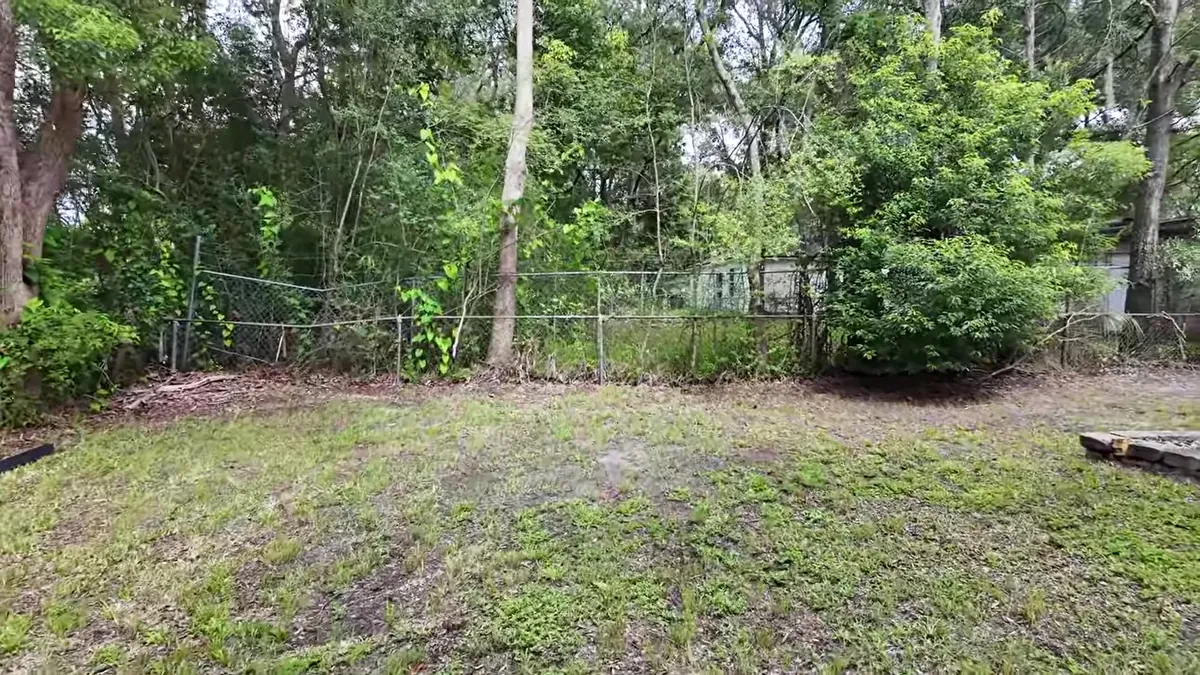
If you are selling a house that needs a little help, do not hide the good parts behind the bad ones. Buyers want to know both.
How I Can Help
When you reach out, here is what happens. We talk about the house and your situation, as much or as little as you want to share. I give you a straight read on what the house would likely sell for as it is. We look at what you owe and what selling would cost. Then I lay out the paths that are realistic for you, whether that is a short sale, a regular listing, or another option.
I can also take a lot off your plate: getting the utilities on, cutting the grass, cleaning out what was left behind, and getting the house ready for showings. I do this all the time. If you are struggling with a house, whether it is a rental that went wrong, money that got tight, or just not knowing what to do, I would rather hear from you early than late.
No pressure, and no judgment. Just honest options.
Frequently Asked Questions
What does it mean to be underwater on a house?
It means you owe more on the home than it would sell for, especially once selling costs are counted. It can happen even with a newer home in good condition.
What is a short sale?
A short sale is a sale your lender approves for less than the full amount you owe. The lender has to agree to the price and terms before you can close.
Do I pay anything to do a short sale?
Every lender is different. In many short sales, the costs of the sale are paid out of the sale proceeds as part of the lender's approval. Some lenders ask the seller to contribute. Ask your lender, and talk with a Florida attorney and a tax professional before you agree to anything.
How long does a short sale take?
Longer than a regular sale, because the lender has to review and approve it. The timeline depends on the lender, the paperwork and the buyer. Starting early gives it room to work.
Can I do a short sale if my house is only a couple of years old?
Yes. The house in this video was built in 2023. Age does not matter. What matters is whether you owe more than it will sell for and whether your lender approves.
Do I have to fix up the house first?
No. Many short sale homes are sold as they are. Basic steps like turning the utilities on, cutting the grass, clearing out belongings and cleaning help a lot and do not cost much.
Can I do a short sale if I no longer live in Florida?
Yes. Paperwork can be handled from anywhere. Someone local can manage the house, the cleanout and the showings for you.
Is a short sale better than foreclosure?
For many owners it is the gentler path, because you take part in the sale and avoid an auction. How each affects your credit, taxes and any remaining balance depends on your situation, so ask a qualified professional.
How does foreclosure work in Duval County?
It goes through the court. If the court rules for the lender, the final judgment sets a sale date, generally 20 to 35 days later, and Duval sales are held online. If no objection is filed, a certificate of title can issue about 10 days after the certificate of sale.
Can I stop a foreclosure sale by paying what I owe?
Florida law gives a right of redemption by paying the amount owed under the judgment, and the Duval Clerk says that right ends when the certificate of sale is issued after a successful auction. Talk to an attorney about your case.
What are foreclosure surplus funds?
They are any money left after the auction proceeds pay what the final judgment requires. The owner of record can file a claim with the Clerk. The Clerk's form says you do not need a lawyer and do not have to assign your rights to anyone to claim it.
What if I have a tenant or the last occupants left things behind?
Belongings can be cleaned out before showings. If someone is still living there, talk to an attorney about your obligations before you do anything. I can help coordinate the cleanout once the house is empty.
Will you buy my house directly?
Sometimes that is the best fit, and sometimes listing it is better. If a short sale is involved, your lender has to approve any sale. I will tell you honestly which path I think gets you the best outcome.
What should I do first?
Open your mail, pull your latest mortgage statement, and reach out for a free, no-pressure evaluation. The earlier you start, the more options you have.
Sources
Every Florida legal fact above was checked against a Florida Statute and a Duval County Clerk of Courts source. Each link was opened and read on Nov 4, 2026. Facts about the property come only from my walkthrough video, its title and its description.
- Florida Statutes s. 702.01, Equity (accessed Nov 4, 2026)
- Florida Statutes s. 45.031, Judicial sales procedure (accessed Nov 4, 2026)
- Florida Statutes s. 45.0315, Right of redemption (accessed Nov 4, 2026)
- Florida Statutes s. 45.032, Disbursement of surplus funds after judicial sale (accessed Nov 4, 2026)
- Duval County Clerk of Courts, Foreclosure (accessed Nov 4, 2026)
- Duval County Clerk of Courts, Owner's Claim for Mortgage Foreclosure Surplus form (accessed Nov 4, 2026)
This article is general information, not legal, tax or financial advice. Talk with a Florida attorney and a tax professional about your own situation.
Local Office: 8553-2 Argyle Business Loop, Jacksonville, FL 32244 · 904-606-9163 · chris@webuyanyhouseinflorida.com