
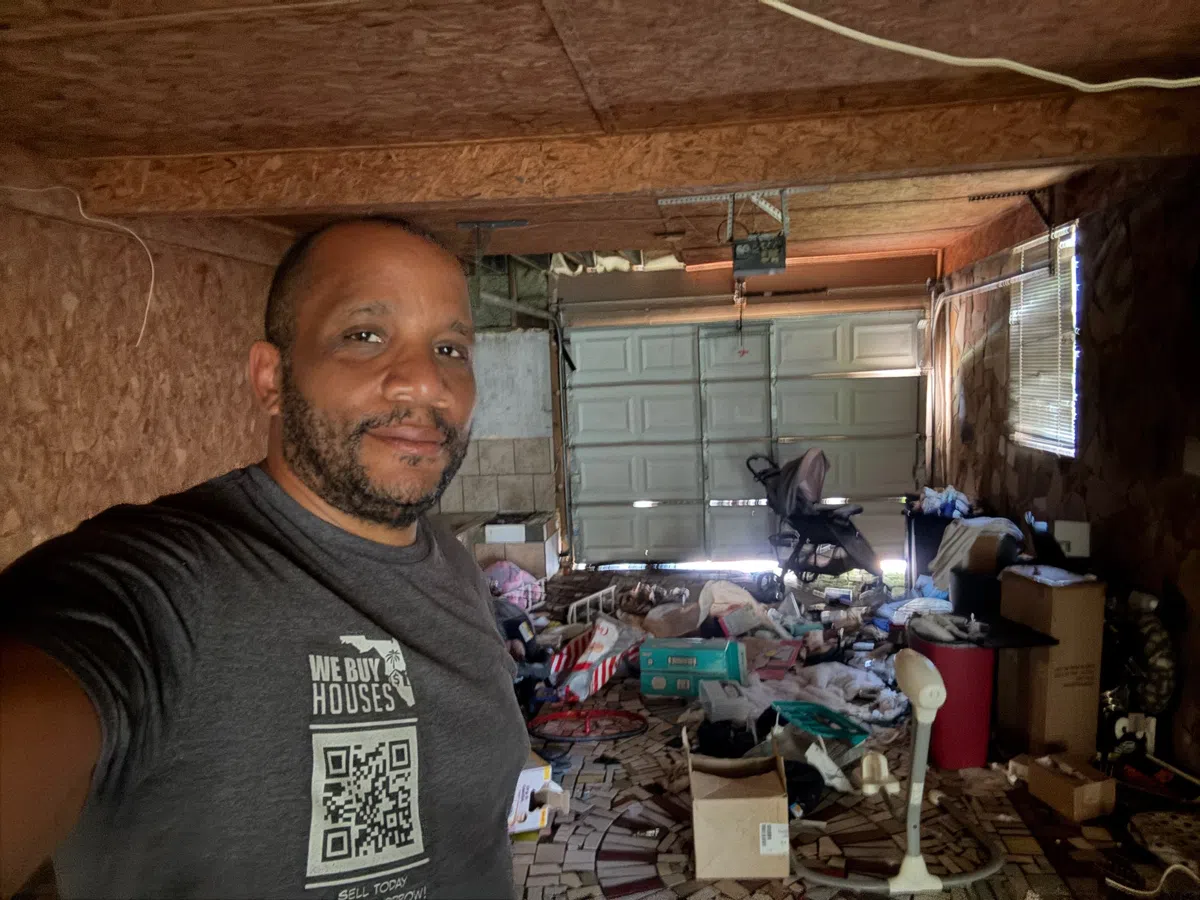
Watch the full video above. From Chris's YouTube channel, @chrismoore904.
Updated January 20, 2023 by We Buy Any House In Florida
When signing a purchase and sale agreement for your Jacksonville home, it’s important to be aware of certain key points to ensure that you’re protected and that the process goes smoothly. Here are the top 5 things to look out for:
- Review the contingencies: Make sure to carefully review all contingencies in the agreement, such as the financing contingency or the home inspection contingency. These contingencies protect you in the event that the sale doesn’t go through due to unforeseen circumstances.
- Review the closing date and possession date: Be sure to review the proposed closing and possession dates, and make sure that they work for you. If necessary, you can negotiate for a different date.
- Review the closing costs: Make sure to review the closing costs and understand who is responsible for paying what. This includes things like the title search, appraisal, and survey fees.
- Review the contingencies: Make sure to read and understand the contingencies in the agreement, such as the financing contingency or the home inspection contingency.
- Have a real estate attorney review the agreement: It’s always a good idea to have a real estate attorney review the purchase and sale agreement before you sign. They will be able to ensure that the terms are fair and reasonable, and that your rights and interests are protected.
By paying close attention to these details, you’ll be able to protect yourself and ensure that the purchase and sale agreement is fair and reasonable. Remember, it’s always a good idea to have a real estate attorney review the agreement before you sign.
Watch the Deadlines, Not Just the Price
In a Jacksonville purchase and sale agreement, the dates carry as much weight as the dollar amount. Every contingency comes with a clock. The inspection period, the financing deadline, and the appraisal window all have specific cutoff dates, and missing one can cost you your earnest money deposit or lock you into a deal you wanted out of. Before you sign, write every deadline on a calendar and confirm who is responsible for hitting each one. If you need more time to inspect or arrange financing, negotiate those windows up front, because they're much harder to extend after the ink is dry.
Understand Your Earnest Money and How You Get It Back
The earnest money deposit shows you're serious, but the contract decides whether it's refundable. Read exactly which contingencies protect your deposit and exactly how you have to give notice to cancel, since most agreements require written notice within a set period. Make sure the funds are held by a neutral party such as a title company or attorney's escrow account, never handed directly to the seller. If the deal falls apart for a reason the contract covers, you want a clean, documented path to getting that money back.
As-Is Sales, Disclosures, and Who Pays What
Many cash and investor deals in Florida are written "as-is," which means the seller won't make repairs but you typically still keep the right to inspect and to walk away during the inspection period. Know which version you're signing. Florida law also requires sellers to disclose known material defects that aren't readily observable, so don't treat "as-is" as a free pass to hide problems. The standard contracts used across our area come from Florida Realtors and the Florida Bar, and they spell out who pays for the title search, owner's title policy, documentary stamp taxes, and survey, all of which are negotiable. If you ever need to understand the underlying law on real estate contracts or disclosures, the actual rules live in the Florida Statutes.
When to Bring in an Attorney
Florida doesn't require an attorney at closing, but for anything unusual, a probate sale, a title cloud, a divorce, an inherited property, or a contract with custom clauses, it's money well spent to have a real estate attorney review the agreement before you sign. If a problem ends up in court, the Florida Courts self-help resources can help you understand the process, but it's far cheaper to catch issues in the contract than to litigate them later.
If the back-and-forth of a traditional contract feels like more than you want to take on, a straightforward cash sale skips most of these moving parts. We use clean, plain-language agreements and we're happy to walk you through every line. If a fair, no-obligation cash offer sounds helpful, call or text us at 904-606-9163.