Updated January 23, 2023 by We Buy Any House In Florida
When it comes to buying or selling a property in Jacksonville, a thorough home inspection is a crucial step in the process. A home inspection will provide you with a detailed report of the property’s condition, including any potential issues that may need to be addressed. But what exactly will a home inspector be looking at when inspecting your Jacksonville property? Here are some of the top things to keep in mind.
- Structural integrity: The inspector will examine the property’s foundation, framing, and overall structural integrity. This includes looking for any signs of settling, cracking, or other damage that could impact the property’s stability.
- Roofing: The inspector will check the condition of the roof and its various components, including the shingles, flashing, and gutters. They will also look for any signs of leaks or other damage that could lead to water infiltration.
- Plumbing: The inspector will test the property’s plumbing system to ensure that it is in good working order. This includes checking for leaks, clogs, and other issues that could impact the property’s functionality.
- Electrical systems: The inspector will examine the property’s electrical systems, including wiring, outlets, and circuit breakers. They will also check for any signs of electrical hazards, such as outdated wiring or a lack of GFCI outlets in high-risk areas.
- HVAC systems: The inspector will check the property’s heating and cooling systems to ensure that they are in good working order. This includes checking for any leaks, clogs, or other issues that could impact the property’s energy efficiency.
- Pest control: The inspector will look for any signs of pests, such as termites, rodents, or insects. They will also check for any signs of damage caused by these pests and make recommendations for pest control if necessary.
- General condition: The inspector will also examine the overall condition of the property, including the paint, flooring, and appliances. They will look for any signs of wear and tear, as well as any issues that could impact the property’s functionality or aesthetic appeal.
A home inspection is an important step in the process of buying or selling a property in Jacksonville. By understanding the top things that an inspector will be looking at, you can better prepare for the inspection and make informed decisions about the property.
What Matters Most on a Northeast Florida House
The general checklist above applies anywhere, but our climate puts a few items at the top of the list. Around Jacksonville, Orange Park, and Clay County, heat, humidity, and storms drive most of the problems we find. When we walk a home here, these are the areas we pay the closest attention to:
- Roof age and condition. Florida sun and summer storms are hard on shingles, and insurers care a lot about how many years of life a roof has left. An older roof can affect both your sale price and a buyer's ability to get coverage.
- Moisture, mold, and the AC. High humidity means we look hard at attic ventilation, around windows and tubs, and at how well the HVAC is actually pulling humidity out of the house. A weak or oversized system often shows up as that damp, musty feel.
- Foundation and grading. Our sandy soil and heavy rain mean we check for settling cracks and whether water drains away from the slab instead of toward it.
- Termites and wood-destroying organisms. Florida is prime territory for subterranean termites, and a separate WDO inspection is standard in most local transactions.
- Older electrical panels and wiring. Outdated panels and a shortage of GFCI outlets near water are common flags in homes built a few decades back.
How to Get Ready (and What an Inspection Is Not)
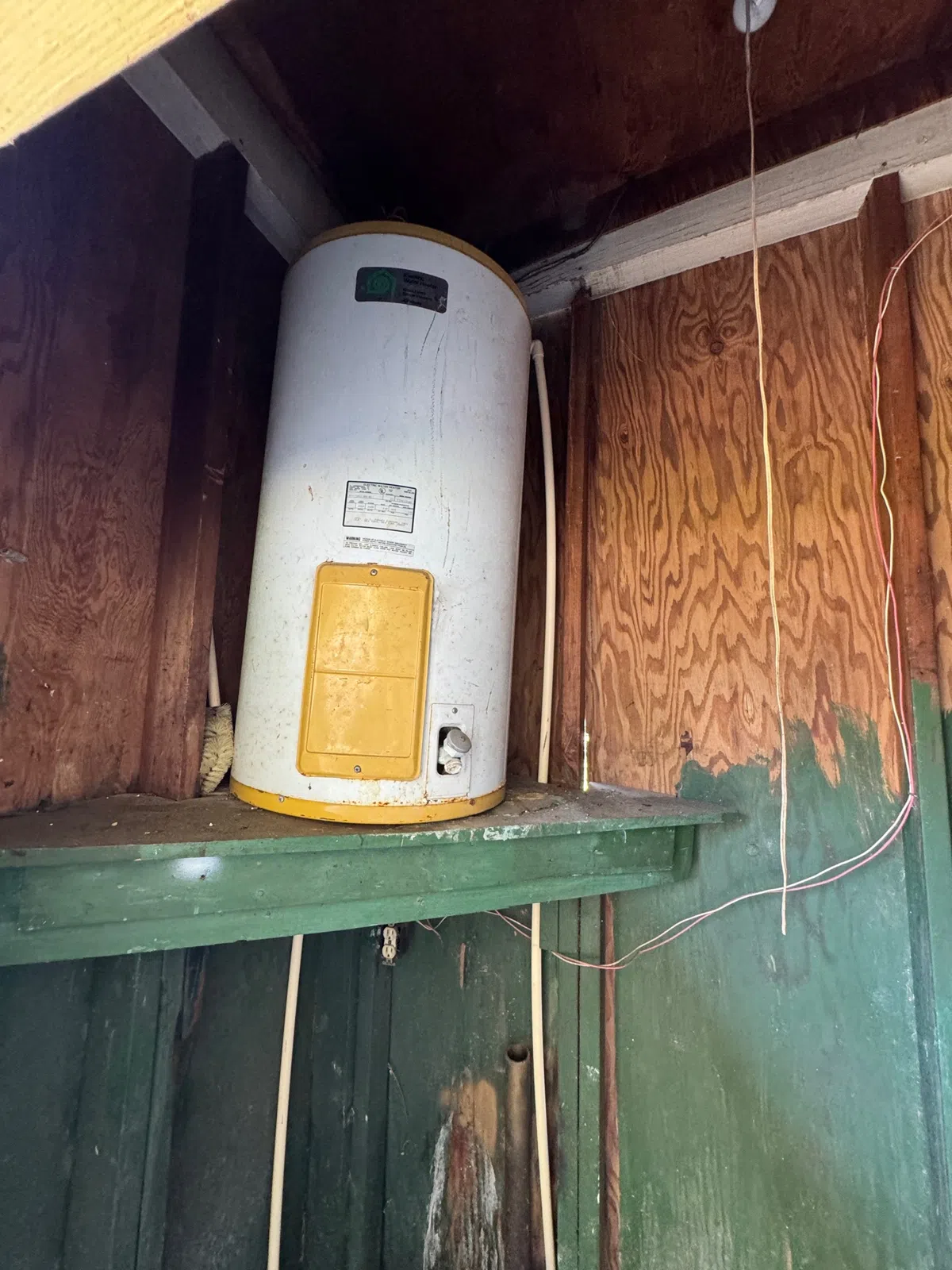
You do not need to renovate before an inspection, but a few simple steps make the day go smoother: clear access to the attic, electrical panel, and water heater; replace burned-out bulbs and dead smoke-detector batteries; and have any past repair receipts handy. A home inspection is a snapshot of condition, not an appraisal of value and not a code enforcement visit. If you want to understand the difference between repair issues and disclosure obligations when you sell, the consumer guidance from Florida Realtors is a solid, neutral starting point.
It also helps to remember who an inspector works for. When a buyer hires one, that inspector is protecting the buyer. As a seller, you are entitled to your own information, and the licensing and consumer-protection side of inspections in Florida is overseen through the Florida Department of Financial Services. Knowing what is normal wear versus a true safety issue keeps you from over-spending on repairs a buyer may not even ask for.
And if the inspection report comes back with a long list you would rather not deal with, you have an option many sellers do not realize. As a local, veteran-owned buyer, we purchase houses as-is, which means no repairs, no re-inspections, and no renegotiating after a buyer's inspector finds something. If that sounds easier than fixing it all yourself, call or text us at 904-606-9163 for a fair, no-obligation cash offer.