
Notice: This article is for informational, educational, and problem-solving purposes only. This is not legal, building code enforcement, or financial advice. Real estate laws and underwriting guidelines are subject to change. For guidance on specific properties, consult a licensed Florida attorney, licensed building contractor, or municipal building official.
1. Field Walkthrough: A Sunday Morning in Green Cove Springs on Labor Day Weekend
It was a quiet Sunday morning on Labor Day weekend in Green Cove Springs, Florida. While most folks across Clay County were out on the St. Johns River, firing up barbecue smokers, or enjoying the long holiday weekend with family, I was standing in the driveway of a recently renovated single family residential home with a drill in my hand.
This was not an emergency demolition or a crisis involving a flooded foundation. The property had been meticulously remodeled by a client of mine who flips homes here in Northeast Florida. The kitchen was brand new, the bathroom tile was crisp, the fresh paint smelled clean, and the buyer had received final loan underwriting approval.
Closing was scheduled for the first business day following the holiday. But late Friday afternoon, right before bank offices shuttered for the three-day weekend, the buyer mortgage underwriter issued an unexpected conditional clearing requirement:
The home lacked verified smoke detectors in every bedroom and lacked a dual-sensor carbon monoxide detector. Without photographic confirmation of installed, working life-safety devices meeting underwriter guidelines, the lender could not release final loan documents or wire closing funds to the title company.
In residential real estate, a last-minute underwriting condition over a holiday weekend is the kind of small friction that can trigger a devastating domino effect. If the condition is not satisfied before Tuesday morning, the closing gets postponed. If the closing gets postponed, the buyer mortgage rate lock might expire, moving trucks full of furniture sit stranded at the curb, and thousands of dollars in financing penalties begin accruing.
Instead of waiting for Tuesday morning and hoping an electrician or contractor was available, I drove across Clay County, grabbed the necessary hardware, pulled out my compact USB-C drill, and handled the job myself.
In this comprehensive guide, we examine the true mechanics of real estate closings in Green Cove Springs, dissect Florida life-safety building codes, explain why a twenty-dollar smoke detector can halt a three-hundred-thousand-dollar mortgage, and provide actionable advice for sellers, investors, and homeowners navigating transactions in Clay County.
2. The $20 Breakdown: Why Simple Life-Safety Items Halt Real Estate Closings
To someone outside the real estate and mortgage lending industries, it sounds completely absurd that a multi-hundred-thousand-dollar real estate sale can be brought to a dead stop by an eighteen-dollar plastic device powered by a nine-volt battery.
Yet in Florida residential transactions, life-safety requirements are non-negotiable items under federal mortgage guidelines and Florida building standards.
When an appraiser or underwriter flags missing smoke detectors or carbon monoxide alarms, they are not acting arbitrarily. They are adhering to strict secondary mortgage market underwriting rules established by: - The Federal Housing Administration (FHA Handbook 4000.1). - The U.S. Department of Veterans Affairs (VA Lenders Handbook, M26-7 Chapter 12). - Fannie Mae (Single Family Selling Guide, Chapter B4-1). - Freddie Mac (Single-Family Seller/Servicer Guide).
Under these lending frameworks, a mortgage underwriter cannot certify a property for government-backed or conforming securitization if known health and life-safety hazards exist on the premises. Missing smoke detection is legally classified as an imminent safety hazard.
Consider the economic mathematics of this situation: - Cost of one basic UL-listed photoelectric smoke alarm at a big-box retailer: $14.00 to $22.00. - Cost of a dual-sensor smoke and carbon monoxide detector: $28.00 to $45.00. - Daily per diem interest penalty on a delayed $300,000 loan at current mortgage rates: $55.00 to $75.00 per day. - Mortgage rate lock extension fee (often 0.125% to 0.25% of the loan amount for a 5 to 7 day extension): $375.00 to $750.00. - Stranded professional moving truck and crew standby fees: $150.00 to $250.00 per hour.
When viewed through this lens, spending forty minutes and eighty dollars in materials on a Sunday morning is not just convenient. It is a decisive operational intervention that protects both the buyer and the seller from hundreds or thousands of dollars in needless losses.
3. Florida Building Code and Statutory Life Safety Standards (F.S. 553.885 & NFPA 72)
Florida law and municipal codes govern residential smoke detection and carbon monoxide safety through specific statutory mandates that apply across Clay County, Green Cove Springs, and all sixty-seven Florida counties.
Understanding these legal requirements ensures that any repair or installation performed prior to closing meets official municipal inspection and underwriting benchmarks:
- Florida Statutes Section 553.885: Carbon Monoxide Alarm Requirements
- Florida law requires the installation of carbon monoxide alarms in any new or substantially renovated residential building that contains a fossil-fuel burning heater or appliance, a fireplace, or an attached garage.
- - Statute Requirement: Section 553.885(1) mandates that an approved operational carbon monoxide alarm must be installed within ten feet of each room used for sleeping purposes.
- - Device Standards: The device must be battery-powered, plug-in with battery backup, or hardwired, and must bear certification from a recognized testing laboratory (such as Underwriters Laboratories UL 2034).
- Florida Building Code (Residential) and NFPA 72 Standards
- The Florida Building Code, which incorporates the National Fire Protection Association (NFPA) Standard 72, establishes strict geographic placement guidelines for residential dwellings:
- - Inside Every Sleeping Room: A smoke alarm must be installed inside each bedroom or designated sleeping area.
- - Immediate Vicinity of Bedrooms: An additional smoke alarm must be installed outside each separate sleeping area in the immediate hallway or corridor serving those bedrooms.
- - Every Habitable Story: At least one smoke alarm must be located on every story of the dwelling, including habitable basements or split levels.
- - Proximity to Cooking Appliances: Smoke alarms installed within twenty feet of a permanent cooking appliance must be equipped with an alarm-silencing feature or utilize photoelectric detection technology to minimize nuisance false alarms from kitchen cooking vapors.
- Interconnection vs. Battery-Powered Operation
- In newly constructed homes or homes undergoing major structural permitted remodeling, the Florida Building Code mandates that smoke alarms must be hardwired into the primary building electrical system with battery backup, and must be interconnected so that when one alarm activates, all alarms throughout the structure sound simultaneously.
However, in older existing homes undergoing standard cosmetic renovations (such as paint, flooring, and kitchen cabinetry) where wall drywall has not been opened to expose wall framing studs, building code officials and mortgage underwriters permit the installation of sealed, ten-year tamper-resistant battery-powered alarms. Installing these approved ten-year lithium battery alarms satisfies lender safety mandates without requiring invasive electrical rewiring across finished plaster or drywall ceilings.
4. FHA, VA, and Conventional Mortgage Underwriting: The 1004D and Repair Inspection Process
When purchasing or selling a home in Green Cove Springs using institutional mortgage financing, understanding the lender inspection and verification protocol is essential.
In government-backed financing (FHA and VA loans), the appraiser performs a dual role: they estimate fair market value, and they conduct a Minimum Property Standards (MPS) inspection:
- The Appraiser Condition Call-Out
- During the physical walkthrough, if an FHA or VA roster appraiser observes that the bedrooms do not have smoke detectors or that the hallway lacks a required carbon monoxide monitor, they are required by HUD guidelines to mark the appraisal subject to repairs.
- The appraiser writes a specific condition into the valuation report:
- "Subject to the installation of operational smoke detectors in all bedrooms and hallways, and carbon monoxide detector in accordance with local building code."
- The Form 1004D / Completion Inspection Report
- Once an appraisal is marked subject to repairs, the mortgage underwriter cannot issue an unconditional Clear to Close. The condition must be satisfied through one of two methods:
- - Method A: Physical Re-Inspection (Fannie Mae Form 1004D / Freddie Mac Form 442). The lender dispatches the appraiser back out to the property to visually inspect the completed repairs, take photographs, test the devices, and submit a formal Certification of Completion. The appraiser charges a re-inspection fee of $150 to $250, and scheduling can add three to seven business days to the closing timeline.
- - Method B: Underwriter Desk Review via Contractor / Agent Photographic Invoicing. In many instances, particularly when the flagged defect involves minor life-safety items rather than structural alterations, an experienced real estate professional can coordinate with the loan officer and underwriting team to submit high-resolution dated photographs showing:
- - Wide-angle shot showing the detector mounted on the ceiling relative to the room entryway.
- - Close-up shot showing the green operational LED indicator light illuminated.
- - Hardware receipts proving purchase of code-compliant UL-listed units.
- - A signed repair certification statement.
In our Green Cove Springs transaction, by personally installing all five smoke detectors and the carbon monoxide unit on Sunday morning, photographing each unit from multiple angles, and emailing the documentation directly to the processor inbox before the holiday concluded, we positioned the file on top of the underwriter desk the moment business resumed on Tuesday morning. The underwriter cleared the condition immediately, eliminating the need for a costly 1004D re-inspection fee and preserving the scheduled closing date.
5. Room-by-Room Walkthrough: Proper Installation Technique and Tool Selection
During my video walkthrough of the Green Cove Springs house, I walked viewers through the interior layout, pointing out exactly where alarms needed to be mounted and demonstrating practical field techniques.
If you are an investor, landlord, or homeowner preparing a property for an upcoming closing, following a structured installation protocol ensures total code compliance:
- Room Inventory and Layout Verification
- We walked the home to identify every distinct sleeping area and common corridor:
- - Primary Bedroom Suite: Mounted one smoke detector directly onto the ceiling drywall, centered four inches away from the nearest side wall, avoiding dead air corners where wall meets ceiling.
- - Bedroom Two: Mounted one smoke detector on the ceiling surface, ensuring it was positioned at least three feet away from the ceiling paddle fan to avoid turbulent airflow that could disrupt smoke entering the sensing chamber.
- - Bedroom Three: Mounted one smoke detector on the ceiling drywall opposite the closet door.
- - Central Hallway: Positioned one smoke detector in the common hallway directly between the guest bedrooms and the living room.
- - Living / Dining Transition Corridor: Positioned the dual-sensor smoke and carbon monoxide detector in the main traffic pathway leading toward the attached garage and kitchen, positioned approximately ten feet away from cooking appliances to avoid false triggering.
- Essential Field Tools: The Power of USB-C Compact Cordless Tools
- In the video, I highlighted my compact USB-C cordless drill. For real estate investors, property managers, and field agents, carrying a lightweight, compact drill driver in your vehicle emergency kit is an absolute game-changer.
- - Traditional eighteen-volt contractor hammer drills are heavy, bulky, and often sit discharged in a garage workshop when you need them most.
- - A compact twelve-volt or USB-C rechargeable drill driver fits directly into a glove box or mobile tool bag, charges from your vehicle twelve-volt dashboard outlet or USB port while driving between appointments, and provides more than enough torque to drive plastic drywall hollow-wall anchors and mounting screws into ceiling sheetrock in under sixty seconds per unit.
- Step-by-Step Mounting Best Practices
- - Step 1: Hold the mounting bracket against the ceiling drywall and mark the two screw holes with a pencil.
- - Step 2: Use a small drill bit or drive self-drilling nylon drywall anchors directly into the sheetrock. Do not attempt to drive drywall screws directly into bare sheetrock without anchors, as vibration from closing doors can cause the unit to pull free over time.
- - Step 3: Fasten the mounting plate securely against the ceiling using the supplied screws.
- - Step 4: Pull the red plastic battery isolation pull-tab to activate the internal battery circuit.
- - Step 5: Twist the detector clockwise onto the base plate until it snaps firmly into place.
- - Step 6: Press and hold the centralized Test/Hush button for three seconds until the horn sounds two loud diagnostic test chirp sequences and the red indicator LED flashes.
- - Step 7: Photograph the installed unit from two perspectives for lender documentation.
6. Real Estate Investor Operations: Bulk Inventory Management vs. Last-Minute Retail Buying
One of the most practical financial lessons I shared in the video revolves around the operational discipline of stocking basic hardware in bulk versus running to retail box stores at the eleventh hour.
Every real estate investor, flipper, and active landlord will encounter dozens of inspections, appraisals, and tenant turnovers across their career. Yet human nature often tempts us to hesitate on buying materials until a crisis occurs:
- The True Cost of Last-Minute Retail Trips
- When you wait until the morning of an appraisal or closing to source safety equipment:
- - Retail Unit Price: Walking into a nearby Walmart, Home Depot, or Lowe's on a Sunday morning, you will routinely pay $18.00 to $24.00 for an individual battery-powered smoke alarm, and $35.00 to $50.00 for a combination carbon monoxide unit.
- - Drive Time and Opportunity Cost: Driving from Green Cove Springs along Highway 17 up to Fleming Island or Orange Park to find an open retail store consumes forty-five to seventy-five minutes of drive time and several gallons of fuel.
- - Inventory Disappointment: Box stores frequently run out of basic ten-year sealed battery units, forcing you to purchase premium smart alarms costing $45.00 each just to meet a closing deadline.
- The Bulk Inventory Purchasing Strategy
- By contrast, maintaining an organized bulk supply inventory in your vehicle or workshop yields dramatic savings:
- - Bulk Packaging Pricing: Purchasing multi-packs of UL-listed photoelectric smoke alarms via wholesale building suppliers or commercial Amazon accounts drops the per-unit cost down to $8.50 to $11.00 per alarm.
- - Immediate Operational Readiness: When an inspector or underwriter calls out a defect on Friday afternoon, your inventory is already in your truck bed. You can resolve the issue in twenty minutes without altering your daily schedule.
- - The Return Strategy: As I demonstrated in the video, if you are forced to purchase emergency units from a local retail store like Walmart to finish an urgent job, keep the packaging pristine, use only what is required, and return unopened emergency units for a full refund once your bulk wholesale shipment arrives.
- The Investor Emergency Kit Checklist
- Every active Florida real estate investor and property specialist should keep a standardized plastic tool bin in their trunk containing:
- - Six UL-listed photoelectric smoke alarms.
- - Two dual-sensor smoke / carbon monoxide alarms.
- - Two 15-amp GFCI (Ground Fault Circuit Interrupter) receptacles with wall plates.
- - One tube of high-temperature silicone sealant.
- - One universal hot water heater temperature and pressure relief valve (T&P) discharge pipe.
- - Assorted self-drilling nylon drywall anchors and multi-purpose screws.
- - One compact rechargeable USB-C drill driver with magnetic bit holder.
- - One digital GFCI outlet circuit tester with trip button.
Having this sixty-dollar inventory on hand transforms potential deal-killing appraisal emergencies into routine fifteen-minute roadside tasks.
7. Green Cove Springs Real Estate Economics: 2026 Clay County Market Dynamics
Understanding real estate values and transaction velocity in Green Cove Springs requires examining the unique economic and demographic transformation occurring throughout Clay County in 2026.
Historically known as a sleepy, historic county seat nestled along the western banks of the St. Johns River, Green Cove Springs is experiencing unprecedented residential and infrastructure growth:
- The First Coast Expressway (State Road 23) Expansion Impact
- The single most transformative macroeconomic catalyst for Green Cove Springs real estate is the ongoing construction and phased opening of the First Coast Expressway (State Road 23).
- - Regional Connectivity: This multi-lane, limited-access toll highway connects northern Interstate 10 in Duval County directly southward through Clay County, crossing the St. Johns River via the newly constructed Shands Bridge into St. Johns County.
- - Commuter Transformation: Prior to the expressway, commuting from Green Cove Springs to major Jacksonville employment centers or St. Augustine required traversing congested two-lane rural corridors. The expressway reduces travel times to downtown Jacksonville, NAS Jacksonville, and World Golf Village by twenty-five to thirty-five minutes.
- - Land Value Appreciation: Agricultural parcels and older rural acreage surrounding Green Cove Springs are rapidly being rezoned and developed into master-planned residential communities.
- The Renovation and Flipping Landscape in Green Cove Springs
- Because downtown Green Cove Springs features historic bungalow homes, mid-century ranch properties, and homes built during the mid-to-late twentieth century, investor rehab opportunities are abundant.
- However, buyers purchasing flipped properties in Green Cove Springs utilize FHA and conventional financing in over 75% of closed transactions. Investors who cut corners on code compliance, life-safety requirements, or permitting discover quickly that institutional mortgage underwriters will not allow retail buyers to close without strict verification.
8. The Ripple Effect of Closing Delays: How One Stalled Deal Hurts Everyone
When a closing is postponed over a weekend or a holiday due to an unresolved underwriter condition, the financial and emotional toll radiates outward across all participating parties.
Understanding this ripple effect underscores why handling small repairs immediately is so vital:
- The Seller Carrying Costs and Contract Contingencies
- For a property seller or investor flipper, every day a property sits unsold burns capital:
- - Hard Money / Private Lender Interest: Real estate flippers frequently finance renovation purchases using short-term private or hard money loans carrying interest rates of 10% to 13%. On a $250,000 renovation loan, interest accrues at approximately $70.00 to $90.00 every single day.
- - Property Taxes and Insurance: Ad valorem property taxes in Clay County along with vacant property hazard insurance add another $15.00 to $25.00 daily in non-recoverable carrying costs.
- - Future Contract Commitments: Many sellers have already entered into binding purchase contracts to acquire their next residence. If the funds from the Green Cove Springs sale fail to disburse on schedule, the seller may default on their subsequent purchase, forfeiting their earnest money deposit under Florida standard FAR/BAR contract rules.
- The Buyer Moving Nightmare
- For home buyers, closing delays are intensely stressful:
- - Expiration of Notice on Rental Leases: Most buyers coordinate their closing date to coincide with the end of their existing apartment or rental home lease. If the closing is delayed by a week, they face holdover tenant penalty surcharges or potential eviction threats from their landlord.
- - Utility Re-Scheduling: Electricity through Clay Electric Cooperative, municipal water through the City of Green Cove Springs, and internet services must all be rescheduled, leaving families in logistical limbo.
- - Storage and Temporary Lodging: Moving companies charge storage-in-transit fees of $150 to $300 per day when a household cannot unload furniture into the new home on the promised closing date.
- The Mortgage Rate Lock Expiration Threat
- In volatile interest rate environments, buyers lock their mortgage interest rates for thirty, forty-five, or sixty days.
- - If a rate lock expires before the loan closes due to a repair hold-up, the lender must re-price the loan at current prevailing market rates.
- - If market rates have increased by even 0.25%, the buyer monthly debt-to-income (DTI) ratio can exceed strict underwriting caps, resulting in a formal loan denial and the total collapse of the purchase transaction.
9. As-Is Cash Sale vs. Open-Market Listing: Choosing the Right Strategy in Clay County
The transaction highlighted in our Green Cove Springs video was an open-market retail sale of a flipped home where an institutional buyer obtained a mortgage. But for many homeowners in Clay County who inherit an older family house, face costly structural repairs, or need to liquidate an estate quickly, preparing a home for retail underwriting is simply not practical.
Homeowners in Green Cove Springs face a fundamental strategic decision: Should you invest time and capital renovating the home to pass strict buyer underwriting, or should you sell directly for cash in as-is condition?
The comparison table below details the operational differences between these two pathways:
| Transaction Factor | Retail Open-Market Listing (MLS) | Direct As-Is Cash Sale (We Buy Any House) |
|---|---|---|
| Underwriting Repairs | Mandatory (Lender requires smoke/CO alarms, roof, plumbing, electric) | Zero required (Sell in 100% as-is condition) |
| Inspection Scrutiny | High (Four-point, wind mitigation, termite WDO, appraiser review) | Single inspection for investor valuation only |
| Financing Contingency | Yes (Subject to buyer mortgage approval & underwriter conditions) | None (100% liquid cash with proof of funds) |
| Realtor Commissions | 5% to 6% of gross sales price paid by seller | $0 (No real estate commissions deducted) |
| Seller Closing Costs | Standard title, doc stamps, recording ($3,500 - $6,000) | $0 (Buyer pays all standard closing costs) |
| Cleanout Requirements | Broom-clean delivery; remove all trash and clutter | Leave any unwanted belongings, furniture, or debris |
| Closing Timeline | 45 to 60+ days from contract to settlement | 7 to 14 days, or closed on your preferred date |
| Appraisal Risk | Risk of low appraisal or repair conditions stalling closing | Zero appraisal risk (No mortgage lender involved) |
If your property is in pristine condition and you have the time and capital to handle underwriter conditions, listing on the open MLS can maximize gross retail price.
However, if your property has deferred maintenance, an aging roof, unpermitted additions, or if you simply cannot endure the stress of last-minute lender repairs, selling directly to We Buy Any House In Florida provides a guaranteed, hassle-free resolution.
10. Behind-the-Scenes Real Estate Journal: The Difference Between an Agent and a Partner
In the closing minutes of my Green Cove Springs video, I reflected on my relationship with the client who flipped this property. This was our first transaction together, and I was serving as his licensed real estate professional, not as an investor buyer.
In modern real estate, many agents view their responsibility as strictly limited to paperwork: they enter data into the Multiple Listing Service, plant a sign in the front yard, send email reminders, and wait for closing checks to arrive.
When an unexpected repair condition arises on a Sunday over a holiday weekend, a passive agent will send an email to the client stating: "The underwriter needs smoke detectors installed. Please call an electrician on Tuesday and let me know when it is done."
That passive approach delays the transaction, increases client stress, and risks the deal.
Real problem-solving in real estate requires an entirely different mindset: - You treat your client business as if it were your own. - When an underwriter creates a roadblock forty-eight hours before closing, you don't assign blame or create excuses. - You grab your tools, drive to the property, mount the hardware, take the verification photos, and clear the hurdle before the client even has time to worry.
Whether I am representing a client as a licensed Realtor or purchasing a distressed property directly through We Buy Any House In Florida, that level of personal commitment and hands-on execution is the standard we uphold every single day across Northeast Florida.
11. Step-by-Step Pre-Closing Checklist for Florida Home Sellers and Landlords
To ensure your upcoming real estate closing in Clay County, Duval County, or anywhere in Florida proceeds smoothly without last-minute underwriter surprises, follow this verified pre-closing checklist:
Step 1: Life-Safety Hardware Audit (7 Days Prior to Closing)
- Ensure every bedroom has a working smoke detector with fresh batteries or a sealed ten-year lithium cell. - Verify that a functional smoke detector is installed in each hallway outside sleeping quarters. - Confirm an operational carbon monoxide alarm is installed within ten feet of all bedrooms if the home features gas appliances, a fireplace, or an attached garage. - Test each unit using the diagnostic horn button and replace any unit older than ten years from its manufacturing date stamp.
Step 2: Electrical and GFCI Receptacle Verification
- Verify that all electrical outlets located within six feet of water sources (kitchen countertops, bathroom vanities, laundry utility sinks, exterior hose bibs, and garage workbenches) are protected by functional GFCI receptacles. - Test GFCI reset and test buttons with a handheld circuit tester to ensure proper ground fault interruption. - Ensure all electrical panel blanks and junction boxes have secure cover plates with zero exposed wiring.
Step 3: Plumbing and Water Heater Verification
- Inspect the water heater temperature and pressure (T&P) relief valve to verify that a full-length copper, CPVC, or galvanized discharge pipe extends down to within six inches of the ground or floor. - Check beneath all kitchen and bathroom sinks for active plumbing leaks or moisture stains inside cabinets. - Ensure all plumbing fixtures, toilets, and faucets operate smoothly without continuous running water.
Step 4: HVAC and Mechanical Inspection
- Replace the central heating and air conditioning air filter so the evaporator coil and return plenum appear clean. - Verify that the condensate drain line is flowing freely and that the secondary emergency drain pan beneath the air handler is completely dry.
Step 5: Exterior and Crawlspace Housekeeping
- Trim tree limbs away from roof shingles (minimum three-foot clearance recommended by Florida insurance inspectors). - Ensure all exterior doors latch securely and that deadbolt locks operate freely from the interior without requiring a key. - Verify that the crawlspace access hatch or attic scuttle cover is securely positioned in place.
12. Frequently Asked Questions (FAQ) About Green Cove Springs Real Estate Closings
Homeowners, buyers, and investors navigating property transactions in Clay County frequently ask the following practical questions:
Q: Can a home sale close in Florida if the smoke detectors are missing? A: In an all-cash transaction without lender financing, a sale can close as long as both buyer and seller agree in writing under the terms of an As-Is contract. However, in any transaction involving institutional mortgage financing (FHA, VA, USDA, or conventional loans), mortgage underwriters will universally refuse to fund the loan until proof of working smoke detectors is provided.
Q: What is the fine or legal penalty for not having carbon monoxide detectors in Florida? A: While municipal code enforcement rarely issues citations for existing owner-occupied private residences, Florida Statutes Section 553.885 mandates that buildings must comply to obtain building permit sign-offs or rental occupancy certificates. In real estate transactions, the primary penalty is financial: stalled closings, expired mortgage interest rates, and loan denials.
Q: Who pays for last-minute underwriter-required repairs under standard Florida contracts? A: Under standard FAR/BAR "As-Is" contracts (Form ASIS-6), the seller is under no contractual obligation to make any repairs. However, if the repairs are minor (such as installing smoke detectors or minor plumbing fixes) and are required for the buyer to secure financing, the seller or their agent typically completes them to preserve the sale and avoid contract cancellation.
Q: How long does a real estate closing take in Green Cove Springs once Clear to Close is issued? A: Once the underwriter issues a final Clear to Close, federal TRID regulations require a mandatory three-business-day waiting period between the buyer receipt of the Closing Disclosure (CD) and the execution of closing documents. Once documents are signed and funds are wired, the title company typically disburses funds within one to three hours.
Q: Can We Buy Any House In Florida buy a house in Green Cove Springs that failed a home inspection? A: Yes. We Buy Any House In Florida purchases properties directly for cash regardless of failed inspections, open municipal code violations, roof leaks, plumbing defects, or missing life-safety hardware. We buy properties in true as-is condition with zero seller repairs required.
Need to Sell a House in Clay County Without Repairs or Inspections?
Skip the lender underwriting checklists, the smoke detector installations, and the appraisal re-inspection fees. Sell your house directly to We Buy Any House In Florida on your own timeline.
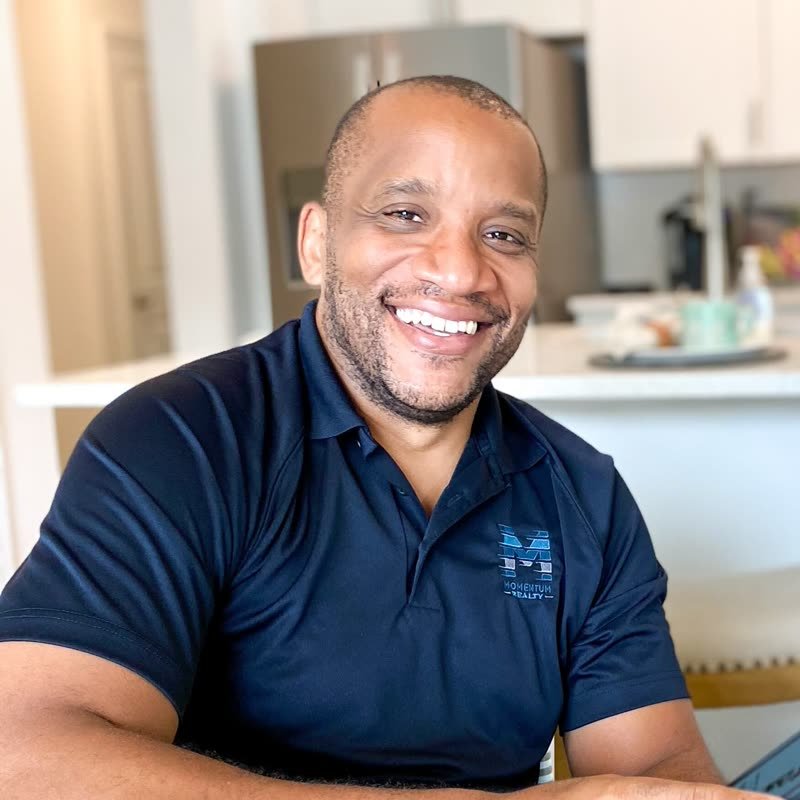
Principal buyer disclosure: Chris Moore holds an active Florida real estate license (DBPR #SL3389080) with Momentum Realty and purchases properties directly as a principal buyer, not as your listing agent.
Chris Moore is a licensed Florida REALTOR with Momentum Realty (SL3389080).