
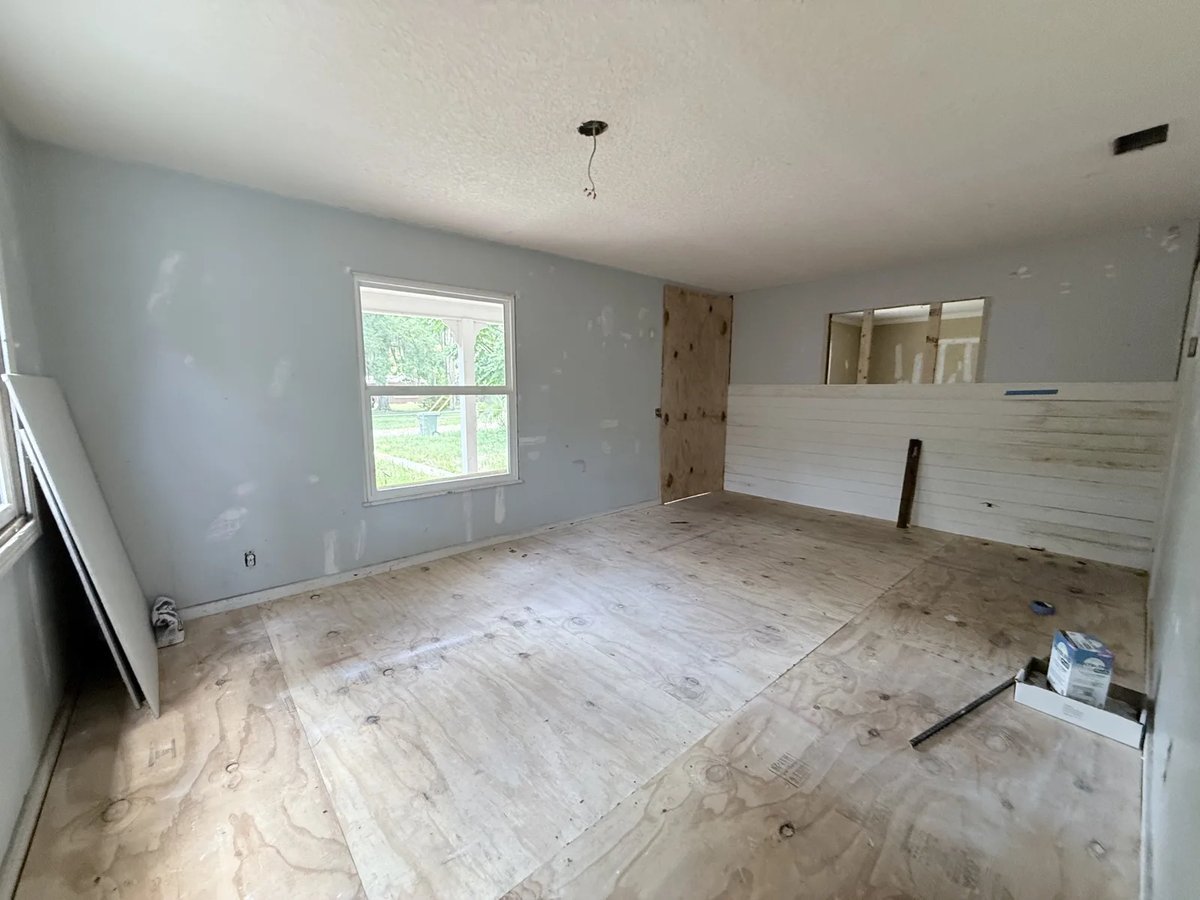
If you are holding a house you cannot easily fix, insure or keep up, the news about insurance can feel like one more thing piling on. You might be handling an inherited home, a rental that has worn you out, or a place that took damage and needs more work than you can give it.
This post explains one recent insurance event in plain words, what it may mean for a house sale, and what you can do. We only use facts we could confirm in more than one place, and each one is linked with its date.
1. What Citizens paused, and when
Citizens Property Insurance is Florida's state-backed insurer for people who cannot find coverage in the private market. In a notice dated October 7, 2026, Citizens said policy binding was suspended statewide as of 11:05 a.m. ET because of Tropical Storm Isaias.
Under Citizens' rule, agents may not bind new coverage, or changes that increase coverage, when a tropical storm or hurricane watch or warning is issued for any part of Florida. Citizens explains the rule on its support page, and RealtyWire, Oct. 8, 2026 reported the same suspension time.
WINK News, Oct. 8, 2026 reported that the pause applied to all 67 Florida counties, including counties outside the storm's direct path. That includes Duval, Clay, St. Johns, Putnam and Nassau.
Citizens then posted that the suspension was lifted at 5 a.m. ET on October 10, 2026, and regular business resumed. The M&K Agency, Oct. 11, 2026 reported the same lift time.
2. Why a pause can slow a sale
Insurers pause new business before a storm because they do not want to take on new risk right before it arrives. That is how Mark Friedlander of the Insurance Information Institute explained it to WINK News. He also noted that not every company uses the same rules. Some stop selling statewide, and others only in counties they expect to be hit.
For a house sale, that can matter in a simple way. If a buyer still needs to start a homeowners policy or raise coverage, a pause can make that step wait. A wait can push a closing date, and a closing date that moves can put a whole deal at risk.
We are not saying every sale was affected. Many buyers already had coverage lined up. The point is that sales that depend on someone else's timeline have more places to slip.
3. The flood insurance waiting period
Flood coverage works on its own clock. According to FEMA's FloodSmart site, flood insurance through the National Flood Insurance Program goes into effect 30 days after purchase. There are exceptions, including no wait when the policy is bought while making, increasing, extending or renewing a mortgage.
Friedlander made the same point to WINK News: you can never buy flood insurance at the last minute.
If you own a house that has had water trouble, or one that sits in a low area, tell any buyer and your closing team early. Flood and insurance questions are easier to handle when they come up before a contract deadline than after.
4. Where a cash sale fits
A traditional sale often has several steps that depend on other people: a buyer's lender, an appraisal, inspections and insurance. Each one can add days. When a house needs repairs or has been hard to insure, those steps can become sticking points.
A cash sale works differently. There is no bank approval step to wait for. We buy as-is, which means you do not have to repair, clean out or stage the house first. Closing still involves a title company and paperwork, and the timeline depends on the title work and your situation.
A cash offer is not the right fit for everyone. If your house is in good shape and you have time, listing with an agent may bring a higher price. We would rather tell you that than push a sale. Compare your options, and talk with an attorney or tax professional if you have legal or tax questions.
5. If the house is damaged, empty or flagged
If you are dealing with a damaged or empty house, a few steps can protect you while you decide what to do:
- Take dated photos of the damage and keep them in one folder.
- Call your insurance company, ask what your policy covers and write down who you spoke with.
- Keep receipts for any emergency repairs, like a tarp or a water cleanup.
- Check any contractor's license with the state before you sign anything, and take your time.
- Keep the utilities and the yard in order if you can. An empty house that looks neglected can draw trouble.
In Jacksonville, the city can also get involved when a building is unsafe. The city's Property Safety and Maintenance Code, Chapter 518, says a building declared unsafe and placarded by the Chief of Municipal Code Compliance must be vacated within a reasonable time after notice of condemnation is given (see Sec. 518.135 on Municode). The city's Municipal Code Compliance page adds that no one, including the owner, may enter a condemned or unsafe structure without an active access pass.
If you get a notice like that, do not ignore it. Call the city office listed on the notice and ask what it requires. This is general information about a local rule, not legal advice. An attorney can tell you how it applies to your house.
6. The bigger picture on rates
There is some good news in the insurance picture. Citizens announced on March 4, 2026 that its homeowners multiperil rates would drop an average of 8.8% in 2026, taking effect July 1 for new policyholders and at renewal for existing ones. The Florida Home Insurance Market Report, updated Oct. 14, 2026 lists the same average cut.
An average is not your premium. Your own cost depends on your home, its roof, its location and your insurer. If your renewal notice shows a big increase, it is worth asking your agent to shop it.
7. Frequently asked questions
Did the Citizens pause apply in Northeast Florida?
Yes. Citizens said it applied statewide, and WINK News reported that it covered all 67 counties. Sources: Citizens, Oct. 7, 2026; WINK News, Oct. 8, 2026.
Is the pause still in effect?
No. Citizens said it was lifted at 5 a.m. ET on October 10, 2026. Sources: Citizens, Oct. 10, 2026; M&K Agency, Oct. 11, 2026. Private insurers can have their own rules, so check with your agent.
Can I sell a house that has damage and no insurance?
Often, yes. Buyers who purchase as-is can take on a house in its current condition. Terms depend on the damage, the title and any liens, so get the facts first. This is general information, not legal or financial advice.
How long is the flood insurance waiting period?
FEMA says 30 days in most cases, with exceptions such as buying the policy while getting or renewing a mortgage. Source: FloodSmart.
What if the city has cited my house?
Read the notice, note any deadlines and call the number on it. Jacksonville's code process can include condemnation, access passes and liens, and an attorney can explain how they apply to you.
8. Sources
- Citizens Property Insurance Corporation, Citizens Is Under Binding Suspension. Data/publication date: Oct. 7, 2026.
- Citizens Property Insurance Corporation, Citizens Binding Suspension Has Been Lifted. Data/publication date: Oct. 10, 2026.
- Citizens Property Insurance Corporation, What is Citizens hurricane or tropical storm binding suspension rule? (support page). Data/publication date: Updated Dec. 30, 2025.
- WINK News, Citizens Insurance pauses new policies statewide as Hurricane Isaias nears. Data/publication date: Oct. 8, 2026 (updated Oct. 10, 2026).
- RealtyWire, Citizens Halts Florida Insurance Binding as Isaias Nears. Data/publication date: Oct. 8, 2026.
- M&K Agency, Florida insurance news, Oct. 11, 2026. Data/publication date: Oct. 11, 2026.
- FEMA, National Flood Insurance Program (FloodSmart), Buy a Flood Insurance Policy. Data/publication date: Page viewed Oct. 19, 2026.
- Citizens Property Insurance Corporation, Citizens' 2026 Multiperil Rates to Drop Statewide. Data/publication date: Mar. 4, 2026.
- Insurance Companies Florida, Florida Home Insurance Market Report. Data/publication date: Updated Oct. 14, 2026.
- Municode (City of Jacksonville), Code of Ordinances, Chapter 518, Sec. 518.135. Data/publication date: Page viewed Oct. 19, 2026.
- City of Jacksonville, Municipal Code Compliance Division. Data/publication date: Page viewed Oct. 19, 2026.
This article is general information. It is not legal or financial advice. Talk with a licensed attorney, insurance agent or tax professional about your own situation. A cash offer is one option among several, and it may not be the best fit for every house.
Chris Moore is a licensed Florida real estate sales associate (SL3389080) with Momentum Realty.