1. Inside an Active Military Short Sale: Dropping the Price to $180,000
Real estate is frequently described in sterile financial metrics, where spreadsheets calculate internal rates of return, capitalization rates, and gross rent multipliers.
On the ground in Jacksonville, real estate is deeply personal. It is about families navigating sudden career transitions, medical crises, military reassignment orders, and unmanageable monthly debt burdens.
On a bright Tuesday morning in mid-October, I drove out to check on a vacant property that represents one of the most urgent and challenging short sales in our current pipeline.
We recently dropped the listing price on this single-family residence to $180,000. In a Duval County market where the median single-family home price hovers near $315,000 according to Florida Realtors and Northeast Florida Association of Realtors (NEFAR) data, an asking price of $180,000 naturally catches the attention of entry-level homebuyers and seasoned investors alike.
Yet this is not a routine sale where a homeowner cleans up their living room, stages fresh flowers on the counter, and waits for a bidding war to drive the price thirty thousand dollars above appraisal.
This property is an active short sale. The homeowner, an active-duty United States Navy service member stationed here in Northeast Florida, owes significantly more to his mortgage servicer than the property is worth in today's open market.
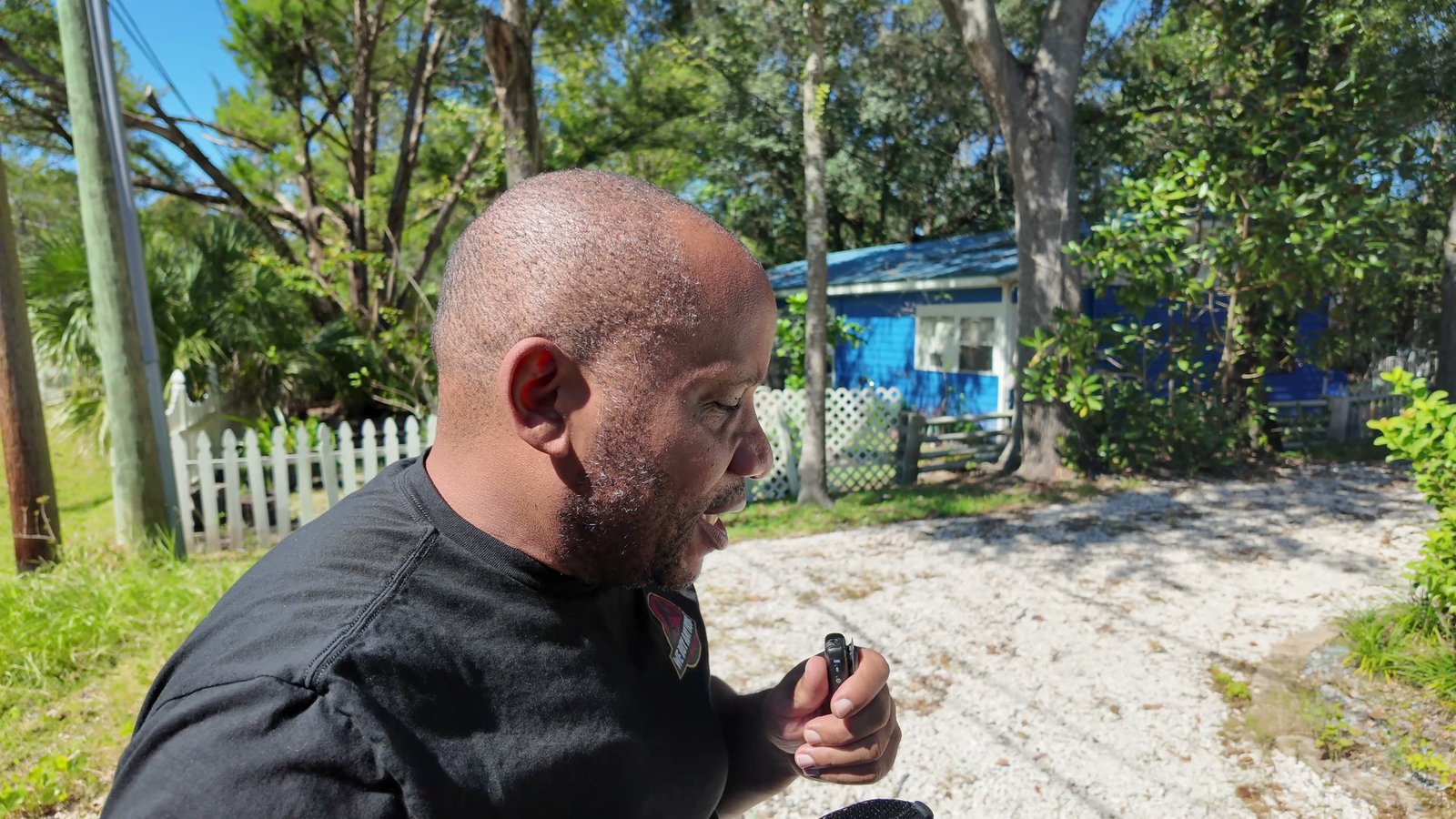
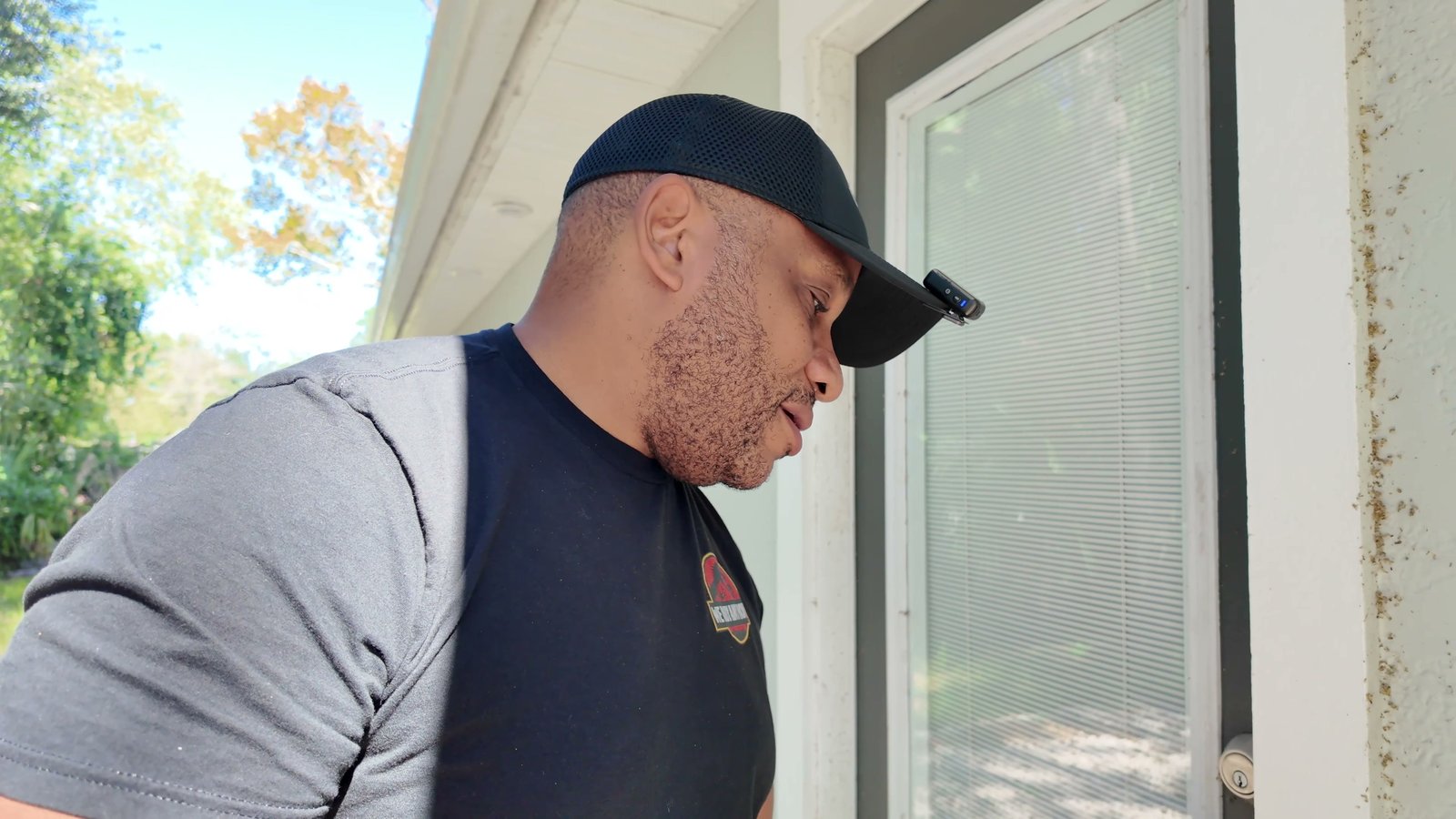
Walking up to the front entrance of the Jacksonville military short sale property after reducing the asking price to $180,000 to stimulate immediate buyer traffic.
Every single day this house sits unsold, interest accrues, late fees accumulate, and the risk of the bank issuing a formal lis pendens to commence judicial foreclosure in Duval County increases.
My primary mission is to get this home under contract with an approved buyer, secure lender approval, and release this active-duty sailor from a crippling mortgage liability that threatens both his financial future and his military career.
2. The Human Reality Behind Military Relocations and Distressed Mortgages
Jacksonville is proudly recognized as one of the preeminent military communities in the entire United States.
Between Naval Air Station Jacksonville (NAS Jax) on the Westside, Naval Station Mayport along the Atlantic coastline, and Marine Corps Support Facility Blount Island along the St. Johns River, our region is home to tens of thousands of active-duty service members, reservists, and military families:
1. The Vulnerability of Military Homeownership
- While military service provides steady employment, the lifestyle carries unique real estate vulnerabilities:
- Service members frequently receive Permanent Change of Station (PCS) orders requiring relocation across the country or overseas on sixty to ninety days notice.
- When an active-duty member buys a home using a zero-down-payment VA loan near the peak of a market cycle, they have virtually zero built-in equity from day one.
- If property values soften or stay flat while closing costs, commissions, and documentary stamps run six to eight percent, selling traditionally requires bringing thousands of dollars of personal cash to closing.
- A service member ordered to report to Norfolk, San Diego, or Bremerton cannot afford to pay rent in a new duty station while simultaneously covering an underwater mortgage in Jacksonville.
2. Compounding Life Events and Financial Hardship
- The young Navy sailor who owns this home did not set out to default on his financial obligations:
- Like many young homeowners, unexpected life events collided with homeownership expenses, creating an acute personal and economic crisis.
- Between unexpected medical bills, vehicle repairs, family emergencies, and everyday living costs, the monthly mortgage payment became insurmountable.
- When a service member faces severe financial hardship, they cannot simply walk away. Unresolved consumer debts and foreclosures can directly impact a military member's security clearance.
- Under Department of Defense Directive 5220.6, financial considerations represent the primary cause for security clearance revocation. A loss of clearance can immediately derail promotions or trigger involuntary military separation.
3. The Threat of Foreclosure vs. The Short Sale Path
- When homeowners fall behind on payments, lenders initiate formal collection procedures that quickly escalate into legal action:
- Under Florida Statute Chapter 702, Florida is a strictly judicial foreclosure state. The mortgage servicer must retain counsel, file a formal complaint in Duval County Circuit Court, and serve a summons.
- Once a foreclosure lawsuit is filed, a public notice of lis pendens is recorded in Duval County Official Records, alerting credit bureaus and title examiners.
- A completed foreclosure judgment damages credit for seven years, prevents future homeownership, and carries severe consequences under military readiness reviews.
- A properly negotiated short sale provides an honorable, sanctioned exit route. By submitting a documented hardship package, the homeowner requests that the mortgage servicer accept current fair market value, dismiss the foreclosure lawsuit, and waive any deficiency balance.
Seeing this young man struggle weighed heavily on my conscience. He is serving our country, yet he was drowning under mortgage debt. That is why I stepped into this transaction to fight for a complete resolution on his behalf.
3. Out-of-Pocket Investor Costs: Why I Covered Cleanout and Junk Hauling
There is a widespread misconception that real estate brokers and investors only show up at closing to collect a check without taking any personal or financial risks along the way.
The reality of handling distressed short sales tells a completely different story.
When I took over this assignment, the property was in an unmarketable state. The house was filled with accumulated debris, broken furniture, discarded clothing, abandoned mattresses, and overflowing household trash. The yard was severely overgrown, creating an eyesore that repelled prospective buyers before they even stepped out of their cars:
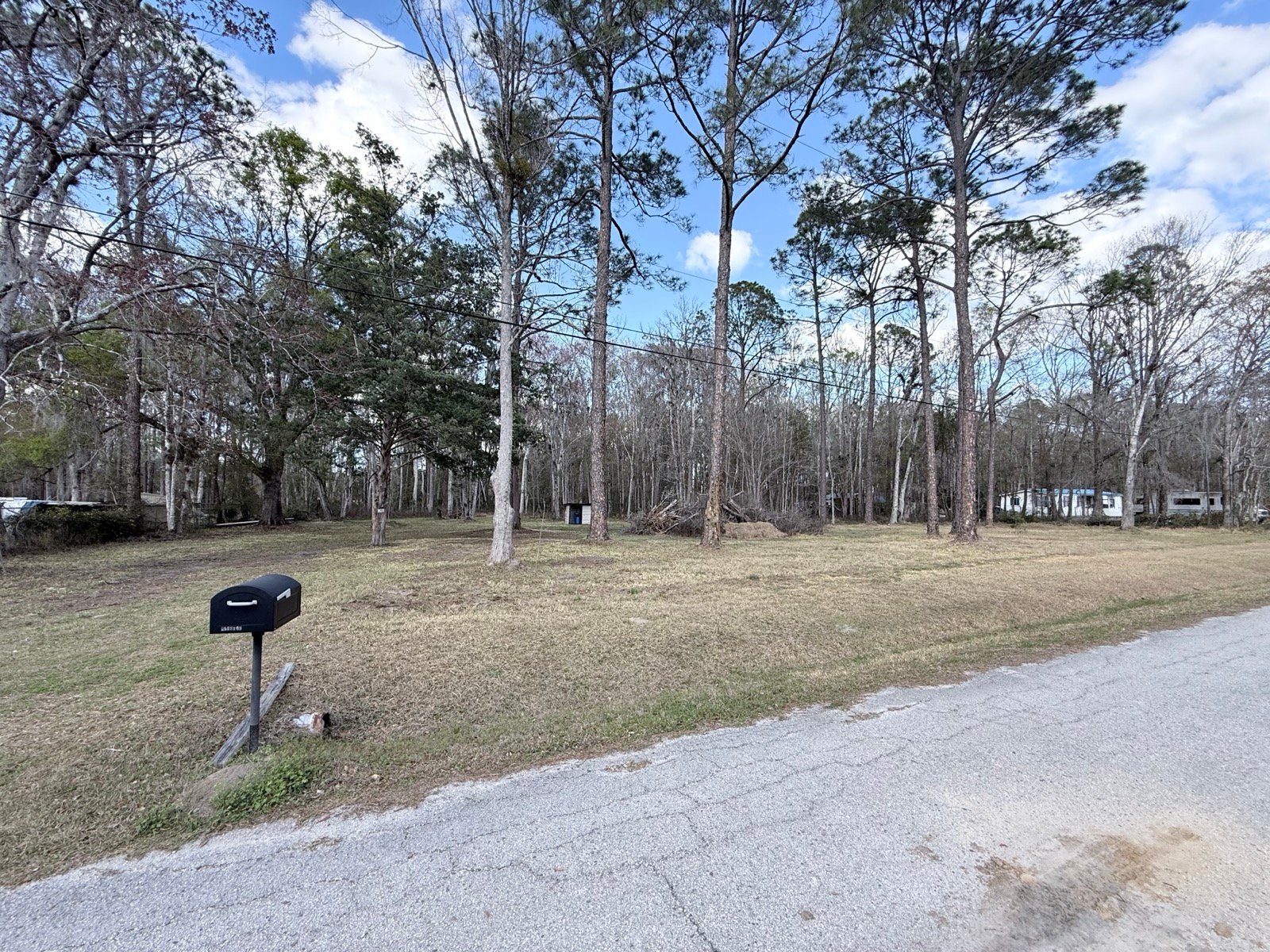
Established residential neighborhoods across Jacksonville house thousands of active-duty military families who face rapid relocation timelines and shifting mortgage balances.
1. The Homeowner Had Zero Available Capital
- To put a home on the market and convince a bank to approve a short sale, prospective buyers, real estate appraisers, and bank-appointed asset managers must be able to walk through the interior safely.
The seller had no money to rent a dumpster, no money to hire a haul-off crew, and no money to pay professional cleaners. He was having difficulty keeping up with basic food and transportation expenses. If I had demanded that he pay two thousand dollars out of pocket to prep the home, the project would have collapsed immediately, leaving him on a direct collision course with foreclosure.
2. Stepping Up with Personal Funds
- Because I was committed to helping this young man get out from under this burden, I made the conscious decision to front the necessary capital out of my own pocket:
- I paid out of pocket to hire a professional junk removal crew to haul off piles of trash, broken box springs, and discarded furniture.
- I paid out of pocket to send a professional cleaning crew through the home to scrub the bathrooms, sanitize the counters, and mop the vinyl floors.
- I coordinated yard maintenance to ensure the home met basic neighborhood municipal codes and did not accumulate City of Jacksonville Municipal Code Compliance citations under Municipal Ordinance Chapter 518.
3. The Financial Boundaries of Distressed Real Estate Assistance
- While I am willing to advance funds to keep a deal alive and rescue a struggling seller, real estate operators must understand the boundary between compassionate assistance and reckless speculation:
- As I noted on site during my walkthrough, I have real money tied up in this house right now.
- I am trying my absolute best to help this young service member, but I cannot be out of pocket indefinitely without an approved buyer and a clear path to closing.
- Every real estate investor and agent has a finite amount of working capital. If you pay for roofs, HVAC units, cleanouts, lawn maintenance, and electric bills on every distressed property across the city, your own business will run out of cash before the lenders issue approval letters.
- Real estate professionals must maintain strict operational discipline. We front capital where it creates the highest leverage to get the property sold, but we cannot act as an open-ended charitable foundation.
Navigating this fine line requires clear expectations. I invested my capital to make the house presentable, but now the market must respond to our $180,000 pricing to bring a solid buyer to the closing table.
4. Preventing Squatters and Protecting Vacant Jacksonville Real Estate
Whenever a property sits vacant during a short sale negotiation or probate transition, it becomes an instant magnet for illicit activity.
During my visit, my first priority before reviewing the floor plan was conducting a rigorous physical security check of the entire building:
1. The Constant Threat of Unauthorized Occupants
- In metropolitan areas like Jacksonville, vacant properties face substantial risks from squatters, copper thieves, and opportunistic trespassers:
- When a house looks empty from the street, individuals seeking temporary shelter or running illicit operations will check side doors, garage entries, and rear windows.
- Once an unauthorized occupant gains entry and brings in personal belongings, removing them historically required weeks of costly civil eviction proceedings.
- Vandals can cause catastrophic damage in minutes, stripping copper water pipes from the walls, stealing exterior air conditioning condensers, and destroying electrical panels.
Conducting a routine property security sweep inside the garage, checking side entry deadbolts, window latches, and utility panels to prevent unauthorized entry.
2. Florida's Landmark Squatter Legislation: House Bill 621
- Fortunately, Florida property owners recently received substantial statutory relief:
- On July 1, 2024, Florida House Bill 621 officially took effect, creating Florida Statute Section 82.036.
- Under this historic law, property owners or their authorized agents can submit a verified complaint to the county sheriff requesting the immediate, expedited removal of unauthorized occupants.
- To qualify under F.S. Section 82.036, the occupant must have entered the real property unlawfully, remained without authorization, received a formal demand to leave, and must not be a current or former tenant involved in a legal rental dispute.
- Furthermore, the statute imposes harsh criminal penalties: falsely presenting a forged lease or fraudulent deed is classified as a third-degree felony, while causing $1,000 or more in damage to an occupied structure constitutes a second-degree felony.
3. Practical Security Protocols for Vacant Properties
- Even with favorable statutory backing, prevention is vastly superior to calling the sheriff:
- Check all window locks, sliding glass door pins, and exterior deadbolts regularly.
- Ensure all garage entry doors are securely latched and that mechanical garage opener disconnect cords are secured.
- Maintain exterior landscaping so the home does not telegraph immediate neglect to passersby.
- Walk the property at random intervals during the week to confirm no broken glass or tampered door jambs exist.
Thankfully, my physical inspection confirmed that the house remained fully secure, clean, and completely free of unauthorized occupants.
5. The Missing Appliances Dilemma: FHA/VA Appraisals vs. Cash As-Is Buyers
Stepping into the kitchen revealed one of the primary obstacles that led us to adjust our asking price down to $180,000: every major kitchen appliance has been removed from the premises.
The stove, the refrigerator, the dishwasher, and the microwave are completely gone, leaving empty cabinet alcoves and bare electrical outlets:
The kitchen inside the $180,000 short sale property. The complete absence of a functional stove and cooking appliances disqualifies standard FHA and VA government-backed financing.
1. Impact on Government-Backed Financing (FHA and VA Loans)
- To the average retail home shopper, missing appliances may seem like a simple cosmetic detail that can be solved with a quick weekend shopping trip.
In residential mortgage underwriting, however, missing appliances represent a major roadblock: - Federal Housing Administration (FHA) underwriting guidelines and VA Minimum Property Requirements (MPRs) dictate that a residential home must have safe, sanitary, and functional food preparation facilities. - Under HUD Handbook 4000.1, an appraiser inspecting an FHA candidate home must confirm that a working cooking appliance is present. If the stove is missing, the appraiser flags the deficiency as a mandatory repair condition. - Similarly, VA appraisers will not approve a loan on a home that lacks basic cooking functionality unless the seller or buyer escrow funds or installs the missing appliances prior to closing.
2. The Short Sale Stalemate
- In a standard retail transaction, a seller facing an FHA repair condition simply purchases a basic $500 stove or credits the buyer at closing.
In a short sale, that option does not exist: - The seller has zero cash reserves to buy replacement appliances out of pocket. - The mortgage servicer will not allow the seller to take cash from the transaction to purchase personal property. - If an FHA buyer signs a contract, the transaction often dies thirty days later when the appraisal report demands repairs that neither party has the money to fund.
3. The Cash Buyer Advantage at $180,000
- This dynamic explains why pricing this home at $180,000 is intentionally engineered to attract cash buyers, local real estate investors, or conventional buyers using renovation loans:
- A cash home buyer purchases the property strictly as-is, waiving all lender appraisal contingencies and repair demands.
- A local investor can close quickly, submit a clean offer to the mortgage servicer, and install their own stainless steel appliance package after closing.
- By clearing away financing contingencies, we protect the seller from prolonged contract cancellations that bring him closer to the foreclosure auction date.
6. The Utility Drain: Turning Off the AC to Protect a Struggling Sailor
During my walkthrough, I noticed that the central air conditioning unit was humming along, cooling an empty house.
I immediately walked over to the digital thermostat and switched the cooling system completely off:
Inside the open living and dining area. With mild October temperatures across Northeast Florida, turning off the HVAC prevents massive utility bill accumulation for the seller.
1. The Crushing Impact of Vacant Utility Bills
- When a homeowner vacates a property during a short sale, utility accounts often remain in their personal name:
- Electric utilities like Jacksonville Electric Authority (JEA) bill customers on residential tiers, including energy consumption per kilowatt-hour (kWh) and fuel adjustment charges based on generation costs.
- If a central air conditioner runs continuously in an unshaded Florida house throughout the day, cooling an empty space, the monthly bill can reach $250 to $400.
- For an active-duty military member who is already struggling with debt, receiving an unexpected $350 electric bill for a vacant house is financially crushing.
- If electric bills default, the utility issues disconnect notices, damages credit scores, and places municipal liens.
2. Seasonal Weather Realities in Northeast Florida
- In the heat of July or August, turning off an air conditioner carries substantial moisture risks:
- Without air circulation, indoor relative humidity quickly exceeds sixty-five percent, creating an environment for microbial growth on sheetrock and baseboards.
- However, October and November bring a welcome seasonal shift to Northeast Florida.
- Daytime highs drop into the pleasant mid-seventies, and evening lows dip into the upper fifties and low sixties.
- Ambient outdoor relative humidity drops substantially compared to mid-summer peaks.
- Turning off the HVAC during mild autumn weather carries minimal moisture risk while immediately cutting power consumption down to baseline levels.
3. Practical Property Management for Distressed Listings
- Small actions like adjusting a thermostat reflect the difference between an agent who simply collects listings and an advocate who genuinely manages a client's crisis:
- If weather turns unseasonably warm, we can adjust the thermostat to seventy-eight degrees or utilize standalone dehumidifiers.
- But right now, stopping the financial bleeding on this sailor's utility bill is an urgent operational priority. Every dollar saved on power is money he can use for essential living expenses.
4. Protecting Municipal Water and Sewer Services In addition to managing HVAC consumption, inspecting vacant homes requires monitoring water fixtures: - A single running toilet flapper can waste thousands of gallons of water, turning a standard bill into an unexpected $400 utility crisis. - During my walk, I checked every bathroom fixture and under-sink connection to confirm no leaks existed. - Preventing plumbing leaks or running water is just as critical as managing electrical loads.
7. The Trusted Trade Network: Shout-Outs to Matt, Kendall, Carlos, and Andrew
Running an active real estate investment business and navigating complex distressed properties is impossible without a rock-solid network of reliable, skilled trade professionals.
As I shared at the beginning of my morning walkthrough, I kicked off my day reviewing projects completed over the weekend. While my custom AI automation bots were busy managing customer inquiries, updating website data, and organizing incoming emails, real humans were on job sites executing critical physical repairs.
I want to give credit where credit is due. There are four trade partners whose dedication, integrity, and craftsmanship make my business possible:
| Partner Name | Trade Specialty | Role in Portfolio Operations |
|---|---|---|
| Matt | Roofing Specialist (Best Roofing) | Handles emergency leak repairs, full tear-offs, and roof certifications for insurance and buyer closings. |
| Kendall | Master Electrician | Troubleshoots breaker panels, upgrades wiring, corrects code violations, and ensures electrical safety across acquisitions. |
| Carlos | Landscaping and Grounds Specialist | Tames extreme brush overgrowth, clears perimeter trees, edges lawns, and keeps vacant homes looking sharp and code-compliant. |
| Andrew | General Contractor and Partner | Coordinates heavy structural renovations, oversees sub-trades, manages cleanout operations, and keeps rehab budgets on schedule. |
1. Matt with Best Roofing
- In Florida, roofing is the single most scrutinized element of every real estate transaction:
- With insurance carriers requiring roofs to be under fifteen years old (and often under ten years old for standard policies), having a roofer who responds quickly is vital.
- Matt came through over the weekend on an active listing, diagnosing problem areas and ensuring our roofing scope was executed flawlessly.
2. Kendall the Electrician
- Distressed homes in Duval County frequently feature outdated aluminum wiring, obsolete Zinsco or Federal Pacific electrical panels, or compromised wiring from unpermitted additions:
- Kendall tackled challenging electrical work for me this past weekend, getting systems up to code and ready for municipal inspection.
- When an electrician shows up on a Saturday morning to solve a critical issue so a closing can stay on schedule, that professional is worth their weight in gold.
3. Carlos the Yard Specialist
- Curb appeal is not just about making a home look pretty; it is about security and municipal code defense:
- Overgrown grass and neglected shrubbery signal to the entire neighborhood that a home is abandoned, attracting burglars and triggering City of Jacksonville Municipal Code citations that turn into recorded municipal liens.
- Carlos works tirelessly with commercial mowers and trimmers to transform wildly overgrown properties into clean, accessible parcels.
4. Andrew, My Contracting Partner Behind every major rehab is an operational rock who manages the moving pieces: - Andrew oversees our structural cleanouts, framing, drywall, finish carpentry, and general site logistics. - Having partners like Matt, Kendall, Carlos, and Andrew allows us to step into difficult situations like this military short sale with confidence, knowing we have the firepower to handle whatever repairs arise.
8. Understanding Florida Short Sales, VA Compromise Claims, and Deficiency Waivers
To fully appreciate what is happening with this $180,000 property, it is important to understand the legal and financial mechanics of short sales in Florida.
A short sale occurs when a property is sold for less than the outstanding balance owed on the mortgage, and the lender agrees to accept the discounted net proceeds to release their mortgage lien from the public records:
1. The Servicemembers Civil Relief Act (SCRA) Protections
- Because the seller is an active-duty Navy service member, federal law provides specialized legal safeguards:
- The Servicemembers Civil Relief Act (50 U.S.C. Section 3901 et seq.) restricts lenders from foreclosing on a service member's property during their period of military service and for one year thereafter without a court order.
- While the SCRA prevents predatory, rapid default judgments, it does not erase the underlying debt. Interest continues to accrue, and the mortgage remains in default unless actively resolved through an approved workout plan or sale.
- If a service member ignores the default, the mortgage balance mushrooms due to accrued interest, property inspection fees, forced-place insurance premiums, and legal retainer costs.
2. The VA Compromise Claim Process (38 C.F.R. Section 36.4335)
- When a military homeowner holds a VA-guaranteed home loan and faces a mandatory PCS transfer or financial hardship, the Department of Veterans Affairs offers a specialized short sale program known as a VA Compromise Claim:
- Under 38 C.F.R. Section 36.4335, the VA may pay the private mortgage servicer a compromise claim payment to cover the shortfall between the market sale price and the outstanding loan balance.
- To qualify, the property must be sold for fair market value as established by an independent VA appraisal or Broker Price Opinion (BPO).
- The seller must establish a clear financial hardship or military relocation order that makes continued homeownership impossible.
- When successfully completed, the compromise claim allows the transaction to close smoothly without requiring the service member to bring cash to closing.
- Furthermore, completing a VA compromise claim preserves a portion of the veteran's VA home loan guaranty entitlement, enabling future homeownership opportunities once their financial stability is restored.
3. The Absolute Necessity of a Deficiency Waiver Under Florida Law
- In Florida, when a property sells at foreclosure or through an unrepresented short sale, the lender may pursue the borrower for the remaining unpaid debt, known as a deficiency balance:
- Under Florida Statute Section 702.06, lenders historically had up to five years (now shortened to one year under Florida Statute Section 95.11(5)(h) for residential properties) to file a lawsuit seeking a deficiency judgment.
- A deficiency judgment allows the creditor to garnish bank accounts, attach liens to future real estate, and pursue wage execution.
- In our short sale negotiations, our number one, non-negotiable objective is securing a formal Short Sale Approval Letter that explicitly states the lender waives all rights to pursue a deficiency judgment against the homeowner.
- The approval letter must include language confirming that the mortgage servicer and investor consider the debt satisfied in full, releasing the borrower from any remaining promissory note liability.
Without a full deficiency waiver, a short sale solves nothing for the seller. Our commitment is to ensure this sailor walks away from the closing table completely debt-free, with zero lingering liabilities following him into his military future.
9. Beyond Transactions: Education, Collaboration, and Distressed Property Solutions
Near the end of my walkthrough, standing in the empty garage of this Jacksonville home, I spoke from the heart about why I do what I do every single day.
Real estate can easily degenerate into a cold, purely transactional business where agents view clients as commission figures and investors view homes as numbers on a spreadsheet:
1. Real Estate as a Human Transition
- I deliberately reject that cold approach:
- Homeownership is tied to human emotion, family security, and personal identity.
- When someone is facing foreclosure, walking through probate after losing a parent, or drowning under unexpected debts, they do not need an aggressive salesperson pushing them into a quick contract.
- They need an experienced professional who will listen, consult, and walk beside them through a difficult life transition.
2. Educate, Elaborate, and Collaborate
- My core operating philosophy across Northeast Florida rests on three fundamental pillars:
- Educate: We break down complex legal terminology, explain the foreclosure timeline under Florida law, and review all available options, including loan modification, refinancing, MLS listing, or direct cash acquisition.
- Elaborate: We walk homeowners through the realistic costs, timelines, and consequences of each path, providing total transparency rather than false promises.
- Collaborate: We work hand-in-hand with the homeowner, our trade partners, closing attorneys, and mortgage servicers to craft a tailored solution that solves the root problem.
3. The Dual Role of Investor and Licensed REALTOR
- Because I operate both as a cash home buyer and a licensed Florida REALTOR with Momentum Realty, I am not confined to a single box:
- If a property requires massive structural work and an immediate closing, our cash buying arm can purchase it directly as-is without bank delays.
- If a property has sufficient market equity and the seller has the time to expose it to retail buyers, we can list it on the Multiple Listing Service to maximize top-dollar exposure.
- In complex scenarios like this military short sale, we combine our deep investment knowledge with rigorous MLS marketing to attract qualified buyers who understand how to close a lender-approved short sale.
We are working tirelessly every day to move this $180,000 Jacksonville short sale to the finish line, relieving our military seller from stress and giving a new buyer an incredible opportunity in Duval County.
10. Frequently Asked Questions About Jacksonville Short Sales and Military Relocations
Navigating distressed real estate and military relocations can feel overwhelming. Below are answers to the most common questions we receive regarding short sales and property relief in Duval County:
What exactly is a short sale in Florida?
A short sale occurs when a homeowner sells their real estate for an amount that is less than the total outstanding balance owed on their mortgage, and the mortgage servicer agrees to accept the net proceeds from the sale and release their lien. In Florida, a successful short sale requires submitting a complete financial hardship package to the lender and obtaining written lender approval before the transaction can close.
How does a short sale affect my credit compared to a foreclosure?
While a short sale will result in a negative credit reporting entry (typically noted as 'settled for less than full balance'), its negative impact is generally less severe and shorter in duration than a completed judicial foreclosure. Under Fannie Mae and Freddie Mac guidelines, borrowers who complete a short sale may be eligible to purchase another home with a conventional mortgage in as little as two to four years, compared to up to seven years following a formal foreclosure judgment.
What protections do active-duty military members have if facing foreclosure in Jacksonville?
Active-duty service members are protected under the federal Servicemembers Civil Relief Act (SCRA, 50 U.S.C. Section 3901 et seq.). The SCRA prohibits mortgage servicers from foreclosing on a property owned by a service member during active military duty and for one year thereafter without first obtaining a specific court order. Additionally, service members with VA home loans may qualify for a VA Compromise Claim to cover the debt shortfall during a forced relocation.
Can I sell a house as a short sale if appliances are missing?
Yes, but missing appliances severely limit buyer financing options. Government-backed mortgages such as FHA and VA loans require functional food preparation appliances as part of their minimum property standards. When appliances are missing, the property typically must be sold to a cash buyer, an investor, or a buyer utilizing specialized renovation financing (such as a Fannie Mae HomeStyle or FHA 203k loan).
Does the homeowner have to pay taxes on the forgiven mortgage debt?
Under the federal Mortgage Forgiveness Debt Relief Act principles (and subsequent legislative extensions through the Consolidated Appropriations Act), debt forgiven on a principal residence is often excluded from federal gross income, though specific annual limits apply. Florida does not have a state personal income tax. However, homeowners must always consult a certified public accountant (CPA) or tax attorney to review their individual tax situation.
Who pays the Realtor commission and closing costs in a Florida short sale?
In an approved Florida short sale, the lender pays the real estate brokerage commissions, standard title search fees, documentary stamp taxes, and approved seller closing costs out of the gross sales proceeds. The distressed homeowner is not required to pay out-of-pocket commissions or closing costs at the settlement table.
Facing a Difficult Real Estate Situation in Northeast Florida?
Whether you are navigating a military relocation, an unmanageable mortgage balance, an inherited probate home, or an active pre-foreclosure notice, we provide clear answers, zero sales pressure, and honest solutions.
Request a Confidential Consultation or Call (904) 606-9163